


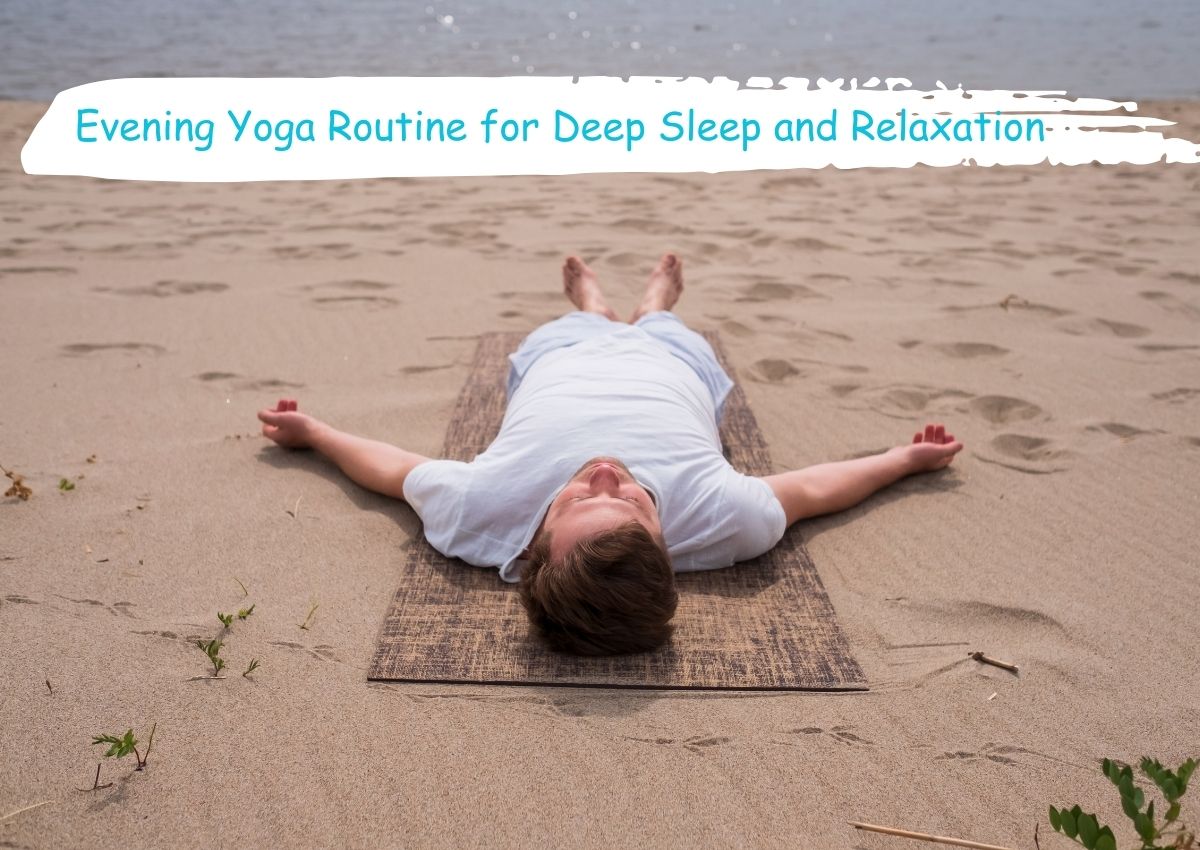


Do you toss and turn at night with your mind racing through the events of the day? You aren’t alone. Millions of individuals struggle to turn off their heads when they hit their pillow. We carry many of the tensions of the day we work with directly onto our beds, making deep rest essentially impossible. But, there is a simple, effective way of signalling to your body that it is time to power down.
A short, gentle yoga practice before bed can be the connection between a busy day and a peaceful night. You do not have to be flexible or have years of experience. This 15-minute routine works to calm the nervous system, get rid of physical tension, and quiet your mind.
By spending just a quarter of an hour on yourself this evening, you can change the quality of your sleep. Let’s train your body to receive the deep relaxation that it is craving.
Why Yoga Before Bed Works
The shift from “doing” to “being” is very important for sleep hygiene. During the day, our sympathetic system, the fight or flight system, is often in charge, which keeps us alert and reactive. To sleep well, we need to activate the parasympathetic nervous system (rest and digest).
Evening yoga is a physical trigger. Slow movements, when paired with deep and intentional breathing slows your heart rate and lower your cortisol levels. It helped stretch tight muscles, which may otherwise keep you uncomfortable during the night. More importantly, it can focus your thoughts in the here and now and clear your mind of anxiety for the to-do list for tomorrow.
Setting the Scene for Sleep
Before you roll out your mat, take some time to adjust your setting. This adds to the psychological effect of your practice.
- Dim the lights: Bright lights tell your brain to stay awake. Use soft lights (lamps or candlelight).
- Disconnect. Put your phone in another room or set it on “Do Not Disturb.”
- The Comfort is Key: Wear your pajamas. This isn’t a workout; this is a wind-down. You want to be able to crawl right into bed after it.
Check out our yoga teacher training course in bali
Your 15-Minute Evening Flow
Go through these poses very slowly. There is no rush. Focus on your breath – breathing in deeply through your nose and out entirely.
1. Child’s Pose (Balasana)-3 Minutes
We begin with centering ourselves. Child’s Pose – is pretty much just a long hug for your body. It lightly expands the hips, thighs, and ankles while calming the brain and relieving any stresses.
How to do it:
- Start on your hands and knees.
- Your big toes need to be brought together to touch and spread your knees as wide as your mat.
- Let your hips drop down to your heels.
- Walk your hands forward and your torso down between your thighs.
- Rest your forehead gently on the mat. If this is uncomfortable, use a pillow to prop up the head.
- Close your eyes and focus on breathing deeply into your posterior body. Feel your spine grow with each breath in and feel your hips sink lower with each breath out.
2. Cat-Cow Stretch (Marjaryasana-Bitilasana) 3 Minutes
After a day in the chair or on the feet, the spine may become stiff. Cat-Cow opens the space between the vertebrae and massages the abdominal organs, stimulating the digestion and flow.
How to do it:
- Rise up to a table top position on your hands and knees. Be sure your wrists are under your shoulders and knees under your hips.
- Inhale (Cow Pose): Drop your belly toward the mat and lift your chin and chest in the direction of the ceiling.
- Exhale (Cat Pose): Pull your belly button to your spine, making your back round up to the ceiling. Tuck your chin to your chest.
- Continue this rhythm. Move with your breath. You should inhale to open and exhale to round. Imagine the tension melting off your spine like water.
3. Standing Forward Fold (Uttanasana) – 3 Minutes
Inversions-the position of having your head below your heart-are incredibly soothing to the nervous system. This pose releases tension through the hamstrings and lower back – where we hold a lot of stress.
How to do it:
- Stand up slowly and place your feet hip-width apart.
- Exhale and bend at your hips (not your waist) and fold forward.
- Keep the knees bent generously. The aim is to pull your torso over your thighs, not to touch your toes.
- Let your head hang heavy. Shake “yes” and “no” to shake off neck tension.
- Grab opposite elbows with your hands and rock side to side gently (Ragdoll variation).
- Imagine your worries getting out of the top of your head and falling on the floor.
4. Legs-Up-The-Wall (Viparita Karani) 3 Minutes
If you can do only one pose, let it be this pose. Is a passive inversion bending that helps to promote circulation and soothes swollen feet, and is well known for curing insomnia.
How to do it:
- Find a space of wall. Sit crosswise facing the wall with your right hip resting against the wall.
- Swing your legs up the wall as you are lying back against the floor.
- Adjust yourself so your butts are as close to the wall as is comfortable. Your legs should be placed straight up the wall.
- Rest your arms by your sides with your palms facing up.
- Close your eyes. Feel the blood flow reverse and oxygen flow to the upper-body and brain. Such a pose is pure restoration.
5. Corpse Pose (Savasana) 3 Minutes
This is the final relaxation. It brings together the benefits of your practice and lets your body let go totally. You can do this on your mat or, better still, climb straight into bed.
How to do it:
- Lie flat on your back. Let your feet flop open.
- Rest your arms against your sides a couple of inches from your body with the palms facing upward.
- To open your chest, pull your shoulder blades under your back.
- Scan your body to see if you are holding any tension. Relax your jaw, unwrinkle your brow, and allow your tongue to drop away from the roof of your mouth.
- Let your breath be natural. Feel the weight of your body being supported all the way by the surface beneath you. Stay here when you drift off to sleep.
Deepening Your Practice
Consistency is the secret formula. While a single session feels good, regular use of the technique in the evening changes your baseline stress levels. If you find that you are enjoying the mental clarity alongside physical ease this routine offers, you may be curious about delving into the philosophy and alignment of these movements further.
Many people find that once they see the benefits firsthand, they want to know more about the “why” and “how.” Enrolling in a yoga school can be a game-changer step, which can provide you with a structured learning process that extends far beyond just stretching. Whether for personal growth or professional training, a deeper study will help you express your practice in terms of your own needs.
Sleep Well Tonight
Tonight, allow yourself to take a break. You have done enough for one day. By taking these 15 minutes, you are investing in your health and your happiness at a later time.
Complete your Savasana, tuck up the covers, and have a night of deep restorative sleep. Namaste.
You Might Also Like


