15 Days Special 200 Hour Vinyasa & Wellness TTC In Rishikesh

Our Combo Yoga Teacher Training Course In Rishikesh, India

From Structured Practice to Inner Stillness World Peace Yoga School, Rishikesh

Start Your Yoga Journey With World’s Biggest Yoga Community

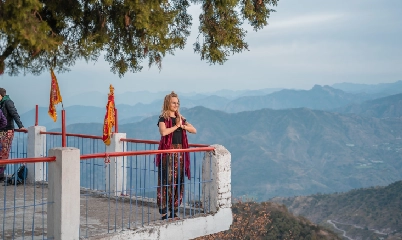
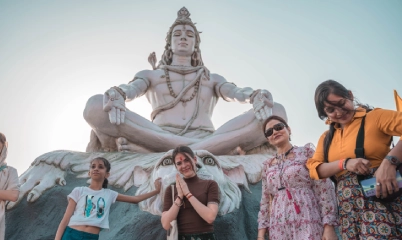
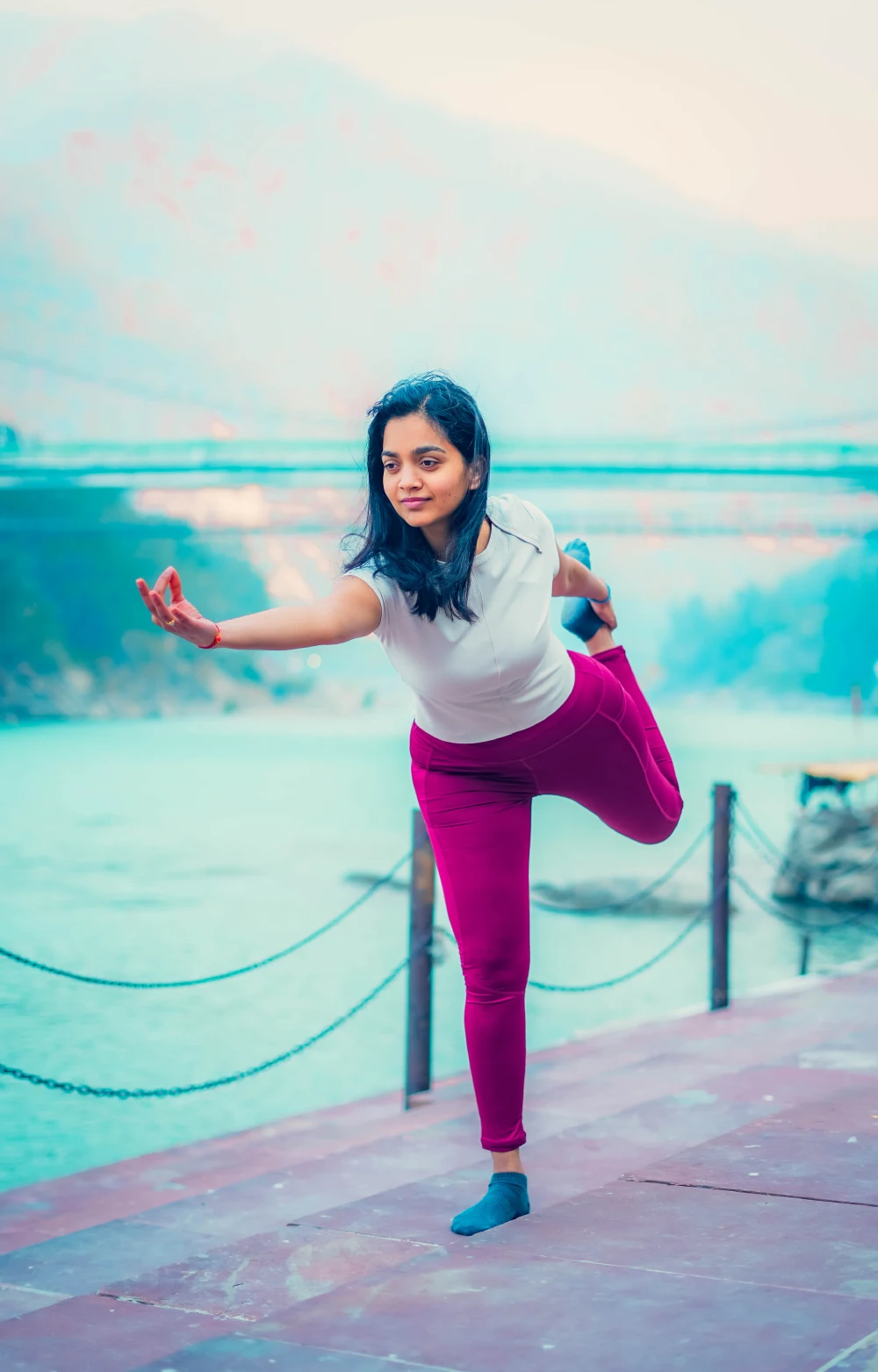
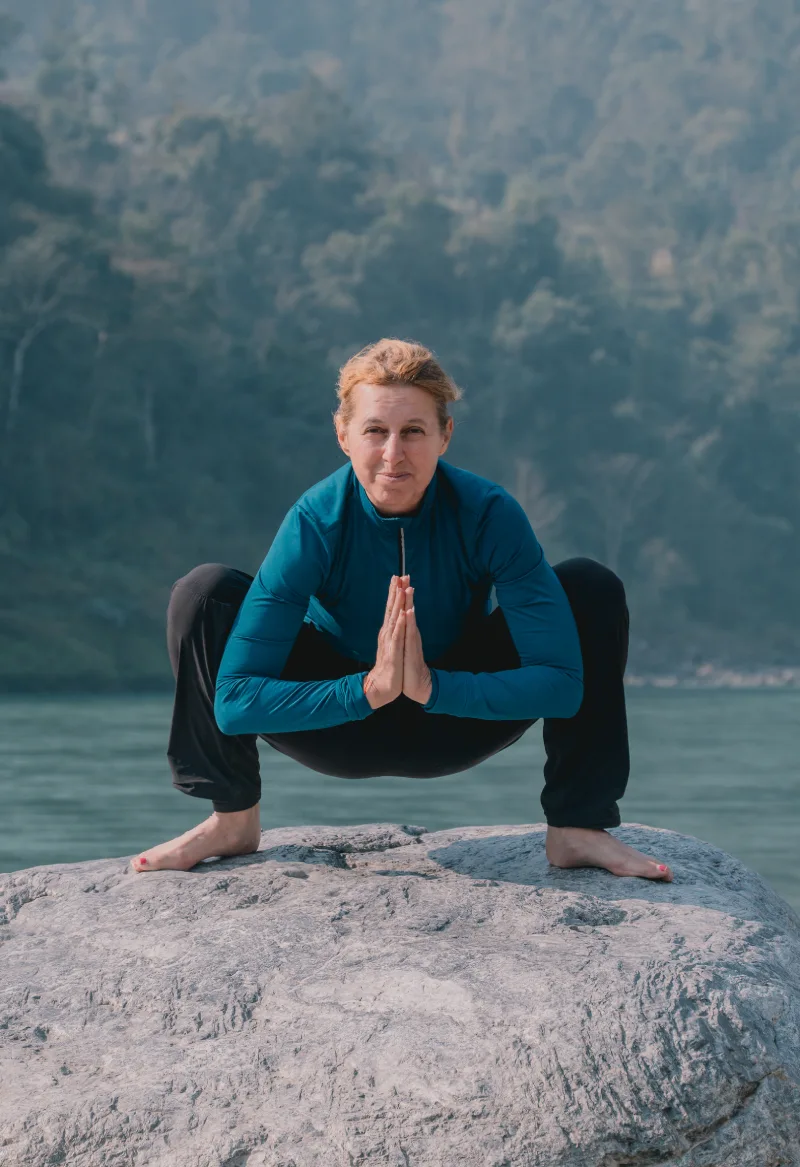
The 200 hour Vinyasa yoga teacher training in Rishikesh just got better.  If you are looking for the most authentic yoga training experience, then it has got to be at Rishikesh. The ‘World Capital of Yoga’, you cannot find a better place for yoga, than this spot in Rishikesh.

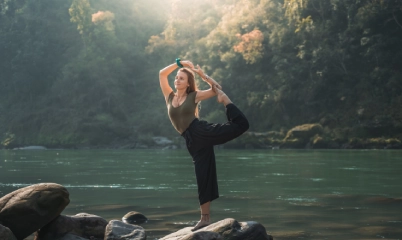
We are in the Himalayas, with the River Ganga flowing by, and this is one spot, where the mortals and divine spirits unite. Are you wondering, how the vinyasa teacher training course will transform your life?

  • You can learn authentic yoga from the Himalayas.
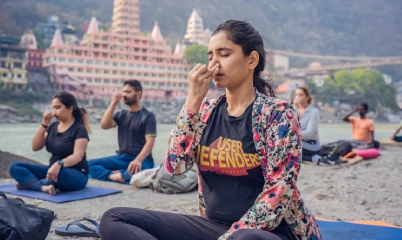
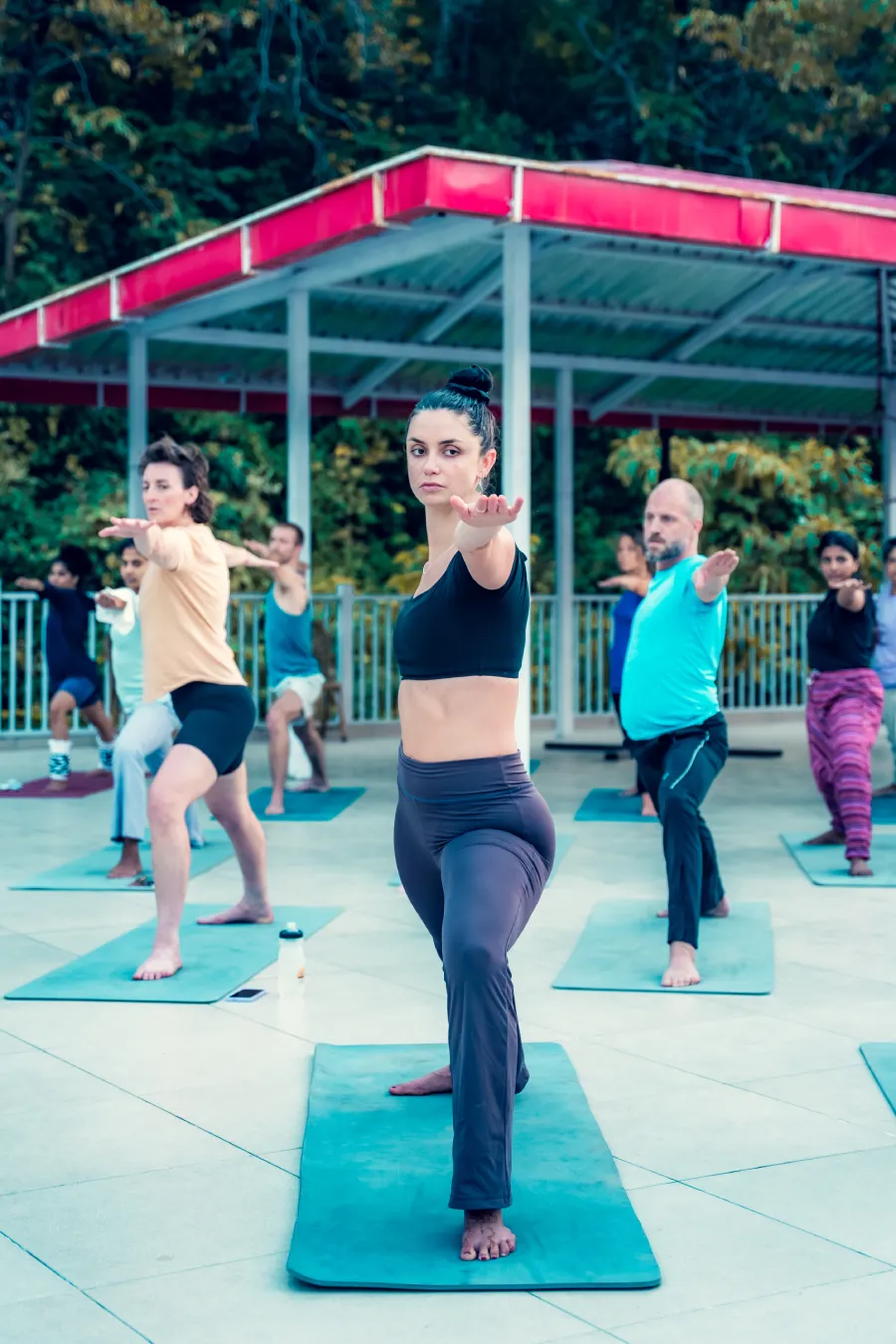
  • The vinyasa yoga teacher training course includes multiple yoga forms like traditional Ashtanga Yoga, Flow Vinyasa Yoga, Hatha Yoga, Pranayama, and Meditation.
  • You will also be able to learn and master healing techniques.
  • Along with yoga knowledge, you will be picking up Ayurveda and Naturopathy knowledge.
  • The course is a residential one, and requires one to immerse themselves in the course.
  • The course will be conducted in English.
  • All students will get transport to and from the airport.
  • Apart from the live classes, all students will get books, audios, videos, PDF notes, and manuals.
  • The 200 hour Vinyasa yoga teacher training in Rishikesh is just right for both beginners and intermediates.
  • You will receive education from the best teachers, who are RYT 500 and have been training students for more than a decade.
yoga-school-in-rishikesh

The Vinyasa yoga teacher training in Rishikesh covers several forms like Ashtanga Vinyasa Yoga and Hatha Yoga. Students will get in-depth knowledge of yogic concepts and Ayurveda sciences, in theory and practical, as well. You will not just focus on the physical side of it, but the mental and spiritual side as well.

Why Choose This Course?

Why Should You Choose The 200 Hour Vinyasa Yoga Teacher Training Course At World Peace Yoga School?

At World Peace Yoga School, you stand to get comprehensive yoga teacher training knowledge. We have created the course modules, after carefully researching the needs of today’s students, combining them with ancient philosophical knowledge.  Our main motto is to share the authentic Himalayan yoga knowledge with yoga enthusiasts and those who want to pursue it as a career. Commercial benefits are last on the list, at World Peace Yoga School.

At our school, your yogic journey will be supplemented with the knowledge of healing and therapeutic modalities. They include sound healing sessions, Kansa thali massage, ayurvedic dosha detection, Yoga Nidra, and Vipassana training.

Additionally, you will get a Yoga Alliance certificate, which helps you to start teaching just after you complete the course. After receiving RYT 200 certification, you will be able to teach anywhere across the globe and also join advance courses. Our school is located along the River Ganga, offering you breezy and serene vibes needed for the 200 Hour Vinyasa Yoga Teacher Training Course.

Daily Schedule Of The 200 Hour Vinyasa Yoga Teacher Training Course

  • The training days start quite early at World Peace Yoga School. You will be waking up in the Brahma Muhurta, at around 6 am, for shower and daily cleaning.
  • Thereafter, you practice guided as well as self-meditation.
  • After you have purified your mind, we take you through Ashtanga Vinyasa sequence.
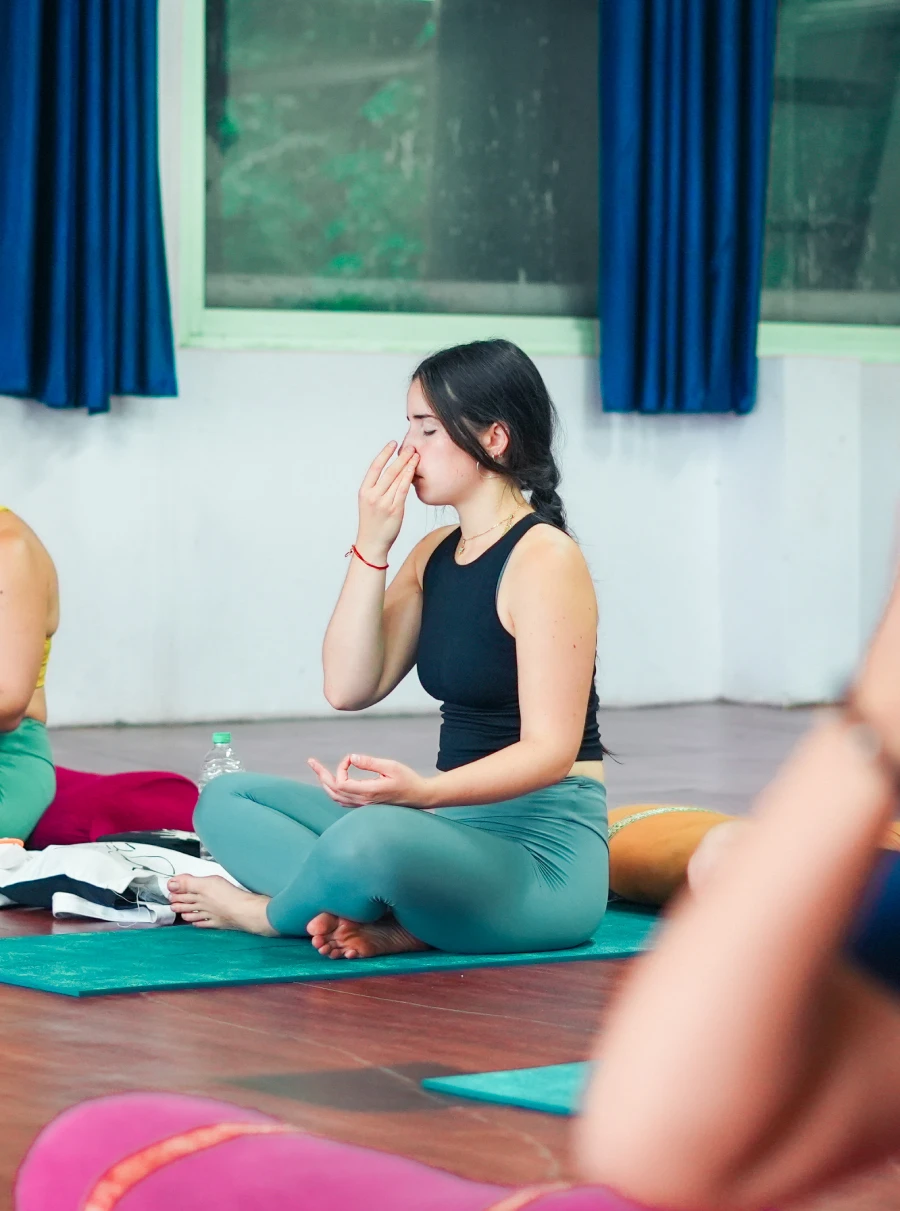
  • Thereafter, you practice meditation and Pranayama.
  • We take nutritious breakfast together, amidst Mother Nature.
  • Our food is sattvic in nature, comprising fruits, vegetables, herbal teas and concoctions, herbs, and condiments.
  • You can engage in self-study after the breakfast.
  • Yoga anatomy and physiology follows.
  • We take you through the background of yoga and philosophy.
  • Your lunch comprises of sattvic food again.
  • Alignments and modifications will take your time, after you have had your lunch.
  • We practice Hatha Yoga together, followed by other forms.
  • You can participate in group meditation or satsang.
  • Then you can go back to your room, have dinner and retire early on.

Brief Overview Of The Course At World Peace Yoga School

Multiple Yoga Styles

  • Ashtanga Yoga
  • Hatha Yoga
  • Vinyasa Yoga
  • Yin Yoga
  • Kundalini Yoga
  • Acro Yoga

Spiritual Practices

  • Pranayama
  • Meditation
  • Bandhas
  • Mudras
  • Shatkarma

Yoga Techniques

  • Alignments
  • Modifications
  • Theory
  • Yoga anatomy
  • Yoga physiology
  • Yoga psychology
  • Ayurveda

Healing Practices

  • Sound Healing
  • Kirtan
  • Music
  • Mud Bath
  • Temple Tour

Activities

  • Cave meditation
  • Ganga Arti
  • Himalayan Sunrise Tour
  • Ganga Snan
  • Dance movement

Apply Now For This Course Contact Us For Any Query

The Highest Value Of Life Is To Love Yourself First

Curriculum For 200 Hour Yoga Teacher Training Course

Mantra Chanting

Mantra chanting is a traditional spiritual practice that involves the repetition of a sacred sound, word or phrase. The vibrations created by the mantra are believed to have the power to transform consciousness, leading to spiritual awakening and a sense of inner peace. In the mantra chanting class, students will learn about the origins of different mantras, the meaning and symbolism behind them, and the proper way to pronounce and chant them.

  • Gayatri mantra
  • SahanaBabatu
  • Guru brahma Guru Vishnu
  • Mantra Science
  • The power of Mantra
  • Origin of mantra
  • Mantra is not a religion
  • The vibretioin of sound
  • Om Chanting
  • Om NamahShivaya Chant
  • Dum durgayinamah
  • Kundalini Mantra chant
  • Om namoBhagavateVasudevaya chant
  • Om Ganapati
  • Asato ma sadgamaya
  • Twamevamataca pita
  • TrayamvakamYajamahe
  • Yogenachittsya
  • Suryanamaskar 12 Mantra (Om Mitraya)
Hatha Yoga

Hatha yoga is traditional form of yoga which focuses on physical postures or asanas, breathing techniques, and meditation. It is known for its ability to improve flexibility, balance, and strength. The main objective of Hatha yoga is to bring harmony between the body and mind, and to prepare the body for deeper spiritual practices (dhyana). In this subject, students will learn the philosophy behind Hatha yoga, its benefits for physical and mental health, how to properly breathe during asanas, and they will have the opportunity to practice Hatha Yoga Asanas with solid grounding of the theory behind it.

Theory:

  • Hatha yoga with the connection of chakras and Nadis
  • Hatha Yoga Philosophy
  • Meaning of Yoga Therapy
  • Ancient Scriptures
  • Aim and Objectives
  • Balancing

Practice:

  • AshthiGranthikriya/PavanMuktasana series 1
  • AshthiGranthikriya/PavanMuktasana series – 2
  • Centering postures series
  • Sun Salutation/Surya Namaskar
  • Moon Salutation/Chandra Namaskar
  • Standing postures
  • Kneeling postures
  • Sitting Postures
  • Forward bending postures
  • Backward bending postures
  • Supine postures
  • Prone Postures
  • Fire Series s
  • Inversions
  • Twisting postures
  • Balancing Postures
  • Relaxing Posture
  • Meditative Asana

Ashtanga / Vinyasa Yoga

Ashtanga and Vinyasa yoga are dynamic styles of yoga that focus on flowing movements and synchronized breath. Whilst being quite physically demanding practices, these are known to build strength, flexibility, and endurance over time. In Ashtanga yoga, students follow a specific sequence of postures that is repeated in the same order in every class, while in Vinyasa yoga, the teacher has more flexibility to create a unique sequence for each class. In this subject, students will learn the foundational postures of Ashtanga or Vinyasa yoga, the importance of breath synchronization, and how to safely and effectively transition from one pose to another. They will also explore different modifications and variations of postures to accommodate different levels of experience and ability.

Theory/Philosophy:

  • Introduction
  • History
  • Awakening
  • The Breath of Life
  • Prana
  • A Chakra Contemplation
  • How to Do Bandha
  • Drishti
  • Cleansing and Purification
  • Creating A Sacred Place
  • The Challenging Asanas
  • Props and Instruments 
  • Sun Salutation A & B
  • Standing Asana Series
  • Sitting Asana Series
  • Finishing Asana Series
  • Teaching Practices

Practices:

  • pādāṅguṣṭāsana
  • pādahastāsana
  • utthitatrikoṇāsana
  • utthitapārśvakonāsana
  • prasāritapādottānāsana
  • pārśvottānāsana
  • utthita hasta pādāṅguṣṭāsana
  • ardhabaddhapadmottānāsana
  • utkatāsana
  • vīrabhadrāsana
  • Dandasana
  • paścimattānāsana
  • pūrvattanāsana
  • ardhabaddhapadma paścimattānāsana
  • tiryaṅgmukhaekapāda paścimattānāsana-
  • intense stretch
  • jānuśīrṣāsana
  • marīcāsana
  • nāvāsana
  • bhujapīḍāsana
  • kūrmāsana
  • suptakūrmāsana
  • garbhapiṇḍāsana
  • kukkuṭāsana –
  • baddhakonāsana
  • upaviṣṭhakonāsana
  • suptakonāsana
  • supta pādāṅguṣṭāsana
  • ubhaya pādāṅguṣṭāsana
  • ūrdhvamukha paścimattānāsana
  • setubandhāsana

Finishing Postures:

  • ūrdhvadhanurāsana
  • salaṁbasarvāṅgāsana
  • halāsana
  • karṇapīḍāsanaūrdhvapadmāsana
  • piṇḍāsana
  • matsyāsana
  • uttānapādāsana
  • cakrāsana
  • śīrṣāsana
  • baddhapadmāsana
  • yoga mudra
  • padmāsana
  • utpluthiḥ
  • Savasana

Prana-Kriyas (Breathing Practices)

Pranayama practices aim to balance and harmonize the Prana - the vital life force. It is a set of techniques for breath-control and regulations. Regular practice of pranayama improves lung function and reduces anxiety and stress. It is an important part of Yoga. The class will teach you about the connection between mind and breath and how to achieve physical and mental wellness by regulating your vital energy

Theory/Philosophy:

  • What is Prana
  • What is Pranayama
  • What is breath and connection with the Prana
  • Importance and benefits of Pranayama
  • How to prepare ourselves to practice them
  • Aspects of Breathing
  • Ancients Texts of Breathing
  • General understanding
  • Understand all about nostrils and how to activate them
  • Secrets of Pranayama
  • Breath flow in 5 elements
  • Unit of Prana
  • Function of Prana
  • Three levels of Prana
  • Three Gunas
  • How does prana flow
  • Quality of breath
  • Imbalance of Prana
  • Retention of breath
  • 6 Sitting positions for Pranayama practices
  • Breathing pattern
  • Prana connection with chakras and Kundalini

Practices:

  • Clavicular Pranayama
  • Thoracic Pranayama
  • Diaphragmatic Pranayama
  • Yogic Pranayama
  • Pranava Pranayama
  • Nadisodhanam Pranayama
  • Bhastrika Pranayama
  • Kapalbhati Pranayama
  • Bhramari Pranayama
  • Ujjayi Pranayama
  • Sitli Pranayama
  • Sitkari Pranayama
  • Murcha Pranayama
  • Surya bhedi Pranayama
  • Chandra bhedi Pranayama

Dhyana-Kriya (Meditation)

Meditation is the technique to still the mind and realize your true inner being. It has been practiced in various forms by sages and gurus for thousands of years.
Many scientific studies conducted have shown its efficacy in improving focus, reducing stress and fostering a general sense of happiness.

The course teaches you different methods of meditation, how to be consistent in the practice ,proper posture and breathing techniques while sitting for the session.

Theory/Philosophy:

  • Introduction to Meditation
  • History of Meditation
  • Preparation to Meditation
  • What is Meditation and what it is not
  • Why- How- Where- When Meditation
  • Philosophy of Meditation
  • Meditation Traditions
  • Meditation Scriptures
  • Aim and Objectives of Meditation
  • Sitting Positions
  • How to Sit Correctly 
  • Preliminary Practices Before Practicing Meditation
  • Role of Diaphragmatic Breathing in Meditation
  • Correct Breathing in Meditation
  • How to Relax in Meditation
  • Lifestyle- Diet- Sleep- Sex- Job- Rules in Meditation

Practices:

  • Tratak Meditation 
  • Music Meditation
  • Om Meditation
  • Mantra Power Meditation
  • Dynamic Moving Meditation (Osho)
  • Buddha Walking Meditation
  • Basics Foundation Meditation Practice
  • Breath- Mind- Mantra Awareness
  • Karma Yoga Meditation
  • Natraj Meditation
  • 7 Chakra Awareness Meditation
  • Ajna Chakra Awakening Meditation
  • Kundalini Active Meditation
  • Breath Awareness (Anapana)
  • Mindfulness and Sensation
  • Total Awareness Practice
  • Mantra &Kirtan Meditation Practices
  • How to Do Japa (recitation)
  • Kirtan Even and Creating a Spiritual Vibe
  • Silence Practice
  • One Day Silence Meditation

Nidra Kriya (Psychic Sleep)

Yoga Nidra or psychic sleep is a practice of deep relaxation and meditation that induces a state of consciousness between waking and sleeping. It is a powerful tool for reducing stress and anxiety, improving sleep quality, and enhancing mental and emotional wellness. In this subject, students will learn the theory behind Yoga Nidra, the benefits of regular practice, and how to guide themselves and others through a complete Yoga Nidra session. They will also explore different techniques for setting intentions, visualization, and body awareness to deepen their experience of relaxation and inner awareness.

Theory/Philosophy:

  • Meaning and Purpose of Yoga Nidra
  • Different Schools and Traditions of Yoga Nidra
  • Tantric Origin of Yoga Nidra
  • Lifestyle and Rules for Yoga Nidra Practitioners
  • Benefits and Risks of Yoga Nidra
  • Difference Between Yoga Nidra and Meditation
  • Yoga Nidra Experience
  • Yoga Nidra and Healing
  • 4 States of Consciousness
  • 3 Body Awareness

Practices:

  • Tension Relaxation
  • Fullbody Relaxation –basic yoga Nidra
  • Inner silence Yoga Nidra

Sat- Kriya & Cleansing (Shatkarma)

Shatkarma, a Sanskrit term outlined in the "Hatha Yoga Pradipika," refers to one of the six yogic purification techniques known as kriyas. These techniques are designed to maintain the body's strength, cleanliness, and overall health by eliminating toxins and removing any obstructions to the flow of prana in the body.

By practicing shatkarmas, the body is internally purified, which facilitates easier performance of pranayama and meditation without discomfort, distraction, or fatigue. This preparation allows for a more effective and efficient practice of these techniques.

Theory/Philosophy:

  • What is Satkarma
  • Benefits and Risks
  • Who Should and Should Not Practice It
  • Experiences
  • Preparation to Satkarma
  • Practices After Completing It 
  • Nadi Cleansing 

Practices:

  • Jihwadhauti
  • Danta-Dhauti
  • Karna-Dhauti
  • Rubber-neti.
  • Jalaneti.
  • Kapalbhati.
  • Agnisara

Yoga Philosophy (Yoga Darshana)

Yoga philosophy is a rich and complex system of thought that has evolved over thousands of years. In this subject, students will learn the key principles of yoga philosophy, including the concepts of dharma, karma, and self-realization. They will also explore the various paths of yoga, including bhakti (devotion), karma (action), and jnana (knowledge).

  • Why Is Yoga Philosophy the Most Important Among All?
  • Introduction to 9 Major Indian Philosophy
  • Introduction to Indian Culture and Spirituality and Himalayan Tradition
  • Introduction to the Ancient Scriptures of Yoga and Spirituality
  • Meaning and Purpose of Indian Philosophy
  • History of Yoga
  • Types of Yoga
  • Patanjali and His Work
  • Introduction to Yoga Sutra Text
  • Eight Limbs of Yoga
  • Yamas&Niyamas
  • Philosophy of Asana & Pranayama
  • Science of Karma
  • Philosophy of Concentration, Meditation, and Samadhi
  • Overview of First Chapter
  • Overview of Second Chapter 
  • Overview of the Third and Fourth Chapter of Patanjali
  • Mind and Its Control
  • Introduction to BhagavatGeeta& Upanishad
  • Chakras
  • Nadi
  • Kundalini
  • Three Fold Pain
  • Three Bodies (Sharira)
  • Panchakosha
  • Tri-guna
  • Mahabhuta (Theory of Elements)

Anatomy & Physiology (Sharirvijnan)

Understanding the human body is essential for a safe and effective yoga practice. In this subject, students will learn the basic anatomy and physiology of the human body, with a specific focus on how it relates to yoga postures and movements. They will learn how to identify and avoid common injuries and how to modify yoga postures to accommodate different body types and abilities.

  • Introduction to Body and Its Structure
  • Body Planes
  • Anatomical Movements
  • Bones of the Skull
  • Cervical Vertebrae
  • Shoulder Girdle/ Arm Bones/ Pelvic Region
  • Deformities of the Spine
  • Lower Extremity
  • Tendons and Ligaments
  • Muscular System
  • Nervous System
  • Respiratory System
  • Nadi (Energy Channel)
  • Chakras (Energy Centres)
  • Kundalini (Prime Energy and Souce of All Creativity)
  • Panchakosha (5 Layers)
  • PanchaMahabhuta (5 Elements and Body Structure)
  • Tri-Guna (Three Attributes)

Yoga Therapy & Ayurveda

Ayurveda is a traditional Indian system of medicine often integrated with yoga therapy to enhance its healing benefits. Ayurveda emphasizes a holistic approach to wellness that considers the unique needs of each individual, and includes practices such as diet, lifestyle, and herbal remedies to support overall health and healing. You will also learn certain Rules and Regulations that govern the delivery of yoga therapy including professional and ethical standards, scope of practice, informed consent, and confidentiality, among others.

Yoga Therapy

  • What is Yoga Therapy
  • Rules and Regulations of Yoga Therapy
  • Healing Through Asana, Pranayama and Meditation
  • Therapy for Common Diseases

Ayurveda

  • Unique Features of Ayurvedic Treatment
  • Ayurveda and Its Diversified Areas
  • Ashtanga Ayurveda
  • Fundamentals of Ayurveda
  • Panchamahabhuta
  • Kapha (The theme of structure and lubrication)
  • Vata (the energy of movements)
  • Pitta (the energy of bio-transformation and heat generation)
  • Prakriti- Know Your Constitution

Mudra

A powerful method for balancing the body and psyche is the use of mudras. The exact interlocking of fingers creates an electromagnetic energy that stimulates and balances the various bodily components. Additionally, this energy facilitates the unrestricted movement of essential energy throughout the body and removes blockages in the channels. Practitioners can maximise the effectiveness of these traditional treatments to restore harmony and equilibrium in their lives by adhering to the suggested protocols and understanding the elemental orientation in the hands.

  • The Secrets of Mudra
  • The Position of Elements in the Hands
  • The Need of Mudra
  • The Importance and Advantages of Mudras
  • Special Guidelines About Mudra
  • Gyan Mudra (Gesture of Wisdom)
  • PurnGyan Mudra (Gesture of Complete Wisdom)
  • Vairagya Mudra(Gesture of Dispassion)
  • Abhaya Mudra(Gesture of Blessing, Fearlessness)
  • Dyan Mudra (Meditation Mudra)
  • Vayu Mudra(Gesture of Air)
  • Pran Mudra (Gesture of Prana)
  • Prithvi Mudra (Gesture of Earth)
  • Surya Mudra (Gesture of Sun)
  • Varun Mudra (Gesture of God of Water)
  • Shoonya mudra (Gesture of Openness, Space)
  • Pran-Apan Mudra (Gesture of PranaApana)

Bandhas (Energy Lock)

Bandha is a kind of energy lock done to seal the vital prana inside the body. Knowledge of these bandhas is key to proper yoga practice. The energy flow in the body is intensified and flows under greater pressure when the Bandha is released. Bandhas should be learnt under expert guidance only to avoid complications and achieve optimal benefits.

  • Meaning and Importance of Energy Lock
  • Why the Energy Lock and How Our Energy Gets Drained
  • Energy Knots and How to Open Them
  • Understanding the Three Chakras; Muladhara-Manipura-Visuddhi
  • Experience of Energy Lock
  • Benefits and Risks of Bandha Practices
  • Agnisar (Preparation to Uddiyana)
  • VahirKumbhaka (External Retention)
  • AntarKumbhaka (Internal Rentention)
  • Ashwini Mudra to prepare Mulabandha
  • Vajroli Mudra to prepare Mulabandha
  • Mulabandha
  • UddiyanaBandha
  • JalandharaBandha

Teaching Methodology

In a teaching methodology class, it is important to emphasize the sequence of asanas and techniques to ensure a safe and effective practice.

Teachers must also be trained to prevent injuries and modify practices for students with different levels of experience and ability.

The goal of teaching methodology is not only to physically teach yoga but also to manage students' emotions and encourage a sense of happiness and well-being.

By focusing on these key principles, teachers gain confidence and become skilled instructors, enabling them to guide their students for a deeper understanding and appreciation of yoga.

  • Not to forget the sequence
  • Avoid injuries
  • Manage happiness during and after the practice
  • Work with all sides of Yoga and all levels
  • Give a meditative experience
  • Manage and balance the energy flow

Here is what you will learn;

  • Proper demonstration of a Yoga practice
  • The proper way to instruct and guide a lesson
  • Proper alignment of yoga postures
  • Proper adjustment with/ without props
  • Yogic personality establishment 

Evaluation & Certification

At the end of the training, students are required to take a written exam and demonstrate their ability to create and lead a safe and effective yoga class. Upon successful completion of the evaluation, students will receive a certificate of completion, indicating that they have met the requirements of the training program. With this certificate, students are eligible to apply for the Registered Yoga Teacher (RYT) 200 designation with Yoga Alliance which allows them to teach anywhere in the world.

  • Performance during the course
  • Attendance
  • Practical asana demonstration test
  • Written test (Objective and subjective type)
  • Behavior
Mantra Chanting

Mantra chanting is a traditional spiritual practice that involves the repetition of a sacred sound, word or phrase. The vibrations created by the mantra are believed to have the power to transform consciousness, leading to spiritual awakening and a sense of inner peace. In the mantra chanting class, students will learn about the origins of different mantras, the meaning and symbolism behind them, and the proper way to pronounce and chant them.

  • Gayatri mantra
  • SahanaBabatu
  • Guru brahma Guru Vishnu
  • Mantra Science
  • The power of Mantra
  • Origin of mantra
  • Mantra is not a religion
  • The vibretioin of sound
  • Om Chanting
  • Om NamahShivaya Chant
  • Dum durgayinamah
  • Kundalini Mantra chant
  • Om namoBhagavateVasudevaya chant
  • Om Ganapati
  • Asato ma sadgamaya
  • Twamevamataca pita
  • TrayamvakamYajamahe
  • Yogenachittsya
  • Suryanamaskar 12 Mantra (Om Mitraya)
Hatha Yoga

Hatha yoga is traditional form of yoga which focuses on physical postures or asanas, breathing techniques, and meditation. It is known for its ability to improve flexibility, balance, and strength. The main objective of Hatha yoga is to bring harmony between the body and mind, and to prepare the body for deeper spiritual practices (dhyana). In this subject, students will learn the philosophy behind Hatha yoga, its benefits for physical and mental health, how to properly breathe during asanas, and they will have the opportunity to practice Hatha Yoga Asanas with solid grounding of the theory behind it.

Theory:

  • Hatha yoga with the connection of chakras and Nadis
  • Hatha Yoga Philosophy
  • Meaning of Yoga Therapy
  • Ancient Scriptures
  • Aim and Objectives
  • Balancing

Practice:

  • AshthiGranthikriya/PavanMuktasana series 1
  • AshthiGranthikriya/PavanMuktasana series – 2
  • Centering postures series
  • Sun Salutation/Surya Namaskar
  • Moon Salutation/Chandra Namaskar
  • Standing postures
  • Kneeling postures
  • Sitting Postures
  • Forward bending postures
  • Backward bending postures
  • Supine postures
  • Prone Postures
  • Fire Series s
  • Inversions
  • Twisting postures
  • Balancing Postures
  • Relaxing Posture
  • Meditative Asana
Ashtanga / Vinyasa Yoga

Ashtanga and Vinyasa yoga are dynamic styles of yoga that focus on flowing movements and synchronized breath. Whilst being quite physically demanding practices, these are known to build strength, flexibility, and endurance over time. In Ashtanga yoga, students follow a specific sequence of postures that is repeated in the same order in every class, while in Vinyasa yoga, the teacher has more flexibility to create a unique sequence for each class. In this subject, students will learn the foundational postures of Ashtanga or Vinyasa yoga, the importance of breath synchronization, and how to safely and effectively transition from one pose to another. They will also explore different modifications and variations of postures to accommodate different levels of experience and ability.

Theory/Philosophy:

  • Introduction
  • History
  • Awakening
  • The Breath of Life
  • Prana
  • A Chakra Contemplation
  • How to Do Bandha
  • Drishti
  • Cleansing and Purification
  • Creating A Sacred Place
  • The Challenging Asanas
  • Props and Instruments 
  • Sun Salutation A & B
  • Standing Asana Series
  • Sitting Asana Series
  • Finishing Asana Series
  • Teaching Practices

Practices:

  • pādāṅguṣṭāsana
  • pādahastāsana
  • utthitatrikoṇāsana
  • utthitapārśvakonāsana
  • prasāritapādottānāsana
  • pārśvottānāsana
  • utthita hasta pādāṅguṣṭāsana
  • ardhabaddhapadmottānāsana
  • utkatāsana
  • vīrabhadrāsana
  • Dandasana
  • paścimattānāsana
  • pūrvattanāsana
  • ardhabaddhapadma paścimattānāsana
  • tiryaṅgmukhaekapāda paścimattānāsana-
  • intense stretch
  • jānuśīrṣāsana
  • marīcāsana
  • nāvāsana
  • bhujapīḍāsana
  • kūrmāsana
  • suptakūrmāsana
  • garbhapiṇḍāsana
  • kukkuṭāsana –
  • baddhakonāsana
  • upaviṣṭhakonāsana
  • suptakonāsana
  • supta pādāṅguṣṭāsana
  • ubhaya pādāṅguṣṭāsana
  • ūrdhvamukha paścimattānāsana
  • setubandhāsana

Finishing Postures:

  • ūrdhvadhanurāsana
  • salaṁbasarvāṅgāsana
  • halāsana
  • karṇapīḍāsanaūrdhvapadmāsana
  • piṇḍāsana
  • matsyāsana
  • uttānapādāsana
  • cakrāsana
  • śīrṣāsana
  • baddhapadmāsana
  • yoga mudra
  • padmāsana
  • utpluthiḥ
  • Savasana
Prana-Kriyas (Breathing Practices)

Pranayama practices aim to balance and harmonize the Prana - the vital life force. It is a set of techniques for breath-control and regulations. Regular practice of pranayama improves lung function and reduces anxiety and stress. It is an important part of Yoga. The class will teach you about the connection between mind and breath and how to achieve physical and mental wellness by regulating your vital energy

Theory/Philosophy:

  • What is Prana
  • What is Pranayama
  • What is breath and connection with the Prana
  • Importance and benefits of Pranayama
  • How to prepare ourselves to practice them
  • Aspects of Breathing
  • Ancients Texts of Breathing
  • General understanding
  • Understand all about nostrils and how to activate them
  • Secrets of Pranayama
  • Breath flow in 5 elements
  • Unit of Prana
  • Function of Prana
  • Three levels of Prana
  • Three Gunas
  • How does prana flow
  • Quality of breath
  • Imbalance of Prana
  • Retention of breath
  • 6 Sitting positions for Pranayama practices
  • Breathing pattern
  • Prana connection with chakras and Kundalini

Practices:

  • Clavicular Pranayama
  • Thoracic Pranayama
  • Diaphragmatic Pranayama
  • Yogic Pranayama
  • Pranava Pranayama
  • Nadisodhanam Pranayama
  • Bhastrika Pranayama
  • Kapalbhati Pranayama
  • Bhramari Pranayama
  • Ujjayi Pranayama
  • Sitli Pranayama
  • Sitkari Pranayama
  • Murcha Pranayama
  • Surya bhedi Pranayama
  • Chandra bhedi Pranayama
Dhyana-Kriya (Meditation)

Meditation is the technique to still the mind and realize your true inner being. It has been practiced in various forms by sages and gurus for thousands of years.
Many scientific studies conducted have shown its efficacy in improving focus, reducing stress and fostering a general sense of happiness.

The course teaches you different methods of meditation, how to be consistent in the practice ,proper posture and breathing techniques while sitting for the session.

Theory/Philosophy:

  • Introduction to Meditation
  • History of Meditation
  • Preparation to Meditation
  • What is Meditation and what it is not
  • Why- How- Where- When Meditation
  • Philosophy of Meditation
  • Meditation Traditions
  • Meditation Scriptures
  • Aim and Objectives of Meditation
  • Sitting Positions
  • How to Sit Correctly 
  • Preliminary Practices Before Practicing Meditation
  • Role of Diaphragmatic Breathing in Meditation
  • Correct Breathing in Meditation
  • How to Relax in Meditation
  • Lifestyle- Diet- Sleep- Sex- Job- Rules in Meditation

Practices:

  • Tratak Meditation 
  • Music Meditation
  • Om Meditation
  • Mantra Power Meditation
  • Dynamic Moving Meditation (Osho)
  • Buddha Walking Meditation
  • Basics Foundation Meditation Practice
  • Breath- Mind- Mantra Awareness
  • Karma Yoga Meditation
  • Natraj Meditation
  • 7 Chakra Awareness Meditation
  • Ajna Chakra Awakening Meditation
  • Kundalini Active Meditation
  • Breath Awareness (Anapana)
  • Mindfulness and Sensation
  • Total Awareness Practice
  • Mantra &Kirtan Meditation Practices
  • How to Do Japa (recitation)
  • Kirtan Even and Creating a Spiritual Vibe
  • Silence Practice
  • One Day Silence Meditation
Nidra Kriya (Psychic Sleep)

Yoga Nidra or psychic sleep is a practice of deep relaxation and meditation that induces a state of consciousness between waking and sleeping. It is a powerful tool for reducing stress and anxiety, improving sleep quality, and enhancing mental and emotional wellness. In this subject, students will learn the theory behind Yoga Nidra, the benefits of regular practice, and how to guide themselves and others through a complete Yoga Nidra session. They will also explore different techniques for setting intentions, visualization, and body awareness to deepen their experience of relaxation and inner awareness.

Theory/Philosophy:

  • Meaning and Purpose of Yoga Nidra
  • Different Schools and Traditions of Yoga Nidra
  • Tantric Origin of Yoga Nidra
  • Lifestyle and Rules for Yoga Nidra Practitioners
  • Benefits and Risks of Yoga Nidra
  • Difference Between Yoga Nidra and Meditation
  • Yoga Nidra Experience
  • Yoga Nidra and Healing
  • 4 States of Consciousness
  • 3 Body Awareness

Practices:

  • Tension Relaxation
  • Fullbody Relaxation –basic yoga Nidra
  • Inner silence Yoga Nidra
Sat- Kriya & Cleansing (Shatkarma)

Shatkarma, a Sanskrit term outlined in the "Hatha Yoga Pradipika," refers to one of the six yogic purification techniques known as kriyas. These techniques are designed to maintain the body's strength, cleanliness, and overall health by eliminating toxins and removing any obstructions to the flow of prana in the body.

By practicing shatkarmas, the body is internally purified, which facilitates easier performance of pranayama and meditation without discomfort, distraction, or fatigue. This preparation allows for a more effective and efficient practice of these techniques.

Theory/Philosophy:

  • What is Satkarma
  • Benefits and Risks
  • Who Should and Should Not Practice It
  • Experiences
  • Preparation to Satkarma
  • Practices After Completing It 
  • Nadi Cleansing 

Practices:

  • Jihwadhauti
  • Danta-Dhauti
  • Karna-Dhauti
  • Rubber-neti.
  • Jalaneti.
  • Kapalbhati.
  • Agnisara
Yoga Philosophy (Yoga Darshana)

Yoga philosophy is a rich and complex system of thought that has evolved over thousands of years. In this subject, students will learn the key principles of yoga philosophy, including the concepts of dharma, karma, and self-realization. They will also explore the various paths of yoga, including bhakti (devotion), karma (action), and jnana (knowledge).

  • Why Is Yoga Philosophy the Most Important Among All?
  • Introduction to 9 Major Indian Philosophy
  • Introduction to Indian Culture and Spirituality and Himalayan Tradition
  • Introduction to the Ancient Scriptures of Yoga and Spirituality
  • Meaning and Purpose of Indian Philosophy
  • History of Yoga
  • Types of Yoga
  • Patanjali and His Work
  • Introduction to Yoga Sutra Text
  • Eight Limbs of Yoga
  • Yamas&Niyamas
  • Philosophy of Asana & Pranayama
  • Science of Karma
  • Philosophy of Concentration, Meditation, and Samadhi
  • Overview of First Chapter
  • Overview of Second Chapter 
  • Overview of the Third and Fourth Chapter of Patanjali
  • Mind and Its Control
  • Introduction to BhagavatGeeta& Upanishad
  • Chakras
  • Nadi
  • Kundalini
  • Three Fold Pain
  • Three Bodies (Sharira)
  • Panchakosha
  • Tri-guna
  • Mahabhuta (Theory of Elements)
Anatomy & Physiology (Sharirvijnan)

Understanding the human body is essential for a safe and effective yoga practice. In this subject, students will learn the basic anatomy and physiology of the human body, with a specific focus on how it relates to yoga postures and movements. They will learn how to identify and avoid common injuries and how to modify yoga postures to accommodate different body types and abilities.

  • Introduction to Body and Its Structure
  • Body Planes
  • Anatomical Movements
  • Bones of the Skull
  • Cervical Vertebrae
  • Shoulder Girdle/ Arm Bones/ Pelvic Region
  • Deformities of the Spine
  • Lower Extremity
  • Tendons and Ligaments
  • Muscular System
  • Nervous System
  • Respiratory System
  • Nadi (Energy Channel)
  • Chakras (Energy Centres)
  • Kundalini (Prime Energy and Souce of All Creativity)
  • Panchakosha (5 Layers)
  • PanchaMahabhuta (5 Elements and Body Structure)
  • Tri-Guna (Three Attributes)
Yoga Therapy & Ayurveda

Ayurveda is a traditional Indian system of medicine often integrated with yoga therapy to enhance its healing benefits. Ayurveda emphasizes a holistic approach to wellness that considers the unique needs of each individual, and includes practices such as diet, lifestyle, and herbal remedies to support overall health and healing. You will also learn certain Rules and Regulations that govern the delivery of yoga therapy including professional and ethical standards, scope of practice, informed consent, and confidentiality, among others.

Yoga Therapy

  • What is Yoga Therapy
  • Rules and Regulations of Yoga Therapy
  • Healing Through Asana, Pranayama and Meditation
  • Therapy for Common Diseases

Ayurveda

  • Unique Features of Ayurvedic Treatment
  • Ayurveda and Its Diversified Areas
  • Ashtanga Ayurveda
  • Fundamentals of Ayurveda
  • Panchamahabhuta
  • Kapha (The theme of structure and lubrication)
  • Vata (the energy of movements)
  • Pitta (the energy of bio-transformation and heat generation)
  • Prakriti- Know Your Constitution
Mudra

A powerful method for balancing the body and psyche is the use of mudras. The exact interlocking of fingers creates an electromagnetic energy that stimulates and balances the various bodily components. Additionally, this energy facilitates the unrestricted movement of essential energy throughout the body and removes blockages in the channels. Practitioners can maximise the effectiveness of these traditional treatments to restore harmony and equilibrium in their lives by adhering to the suggested protocols and understanding the elemental orientation in the hands.

  • The Secrets of Mudra
  • The Position of Elements in the Hands
  • The Need of Mudra
  • The Importance and Advantages of Mudras
  • Special Guidelines About Mudra
  • Gyan Mudra (Gesture of Wisdom)
  • PurnGyan Mudra (Gesture of Complete Wisdom)
  • Vairagya Mudra(Gesture of Dispassion)
  • Abhaya Mudra(Gesture of Blessing, Fearlessness)
  • Dyan Mudra (Meditation Mudra)
  • Vayu Mudra(Gesture of Air)
  • Pran Mudra (Gesture of Prana)
  • Prithvi Mudra (Gesture of Earth)
  • Surya Mudra (Gesture of Sun)
  • Varun Mudra (Gesture of God of Water)
  • Shoonya mudra (Gesture of Openness, Space)
  • Pran-Apan Mudra (Gesture of PranaApana)
Bandhas (Energy Lock)

Bandha is a kind of energy lock done to seal the vital prana inside the body. Knowledge of these bandhas is key to proper yoga practice. The energy flow in the body is intensified and flows under greater pressure when the Bandha is released. Bandhas should be learnt under expert guidance only to avoid complications and achieve optimal benefits.

  • Meaning and Importance of Energy Lock
  • Why the Energy Lock and How Our Energy Gets Drained
  • Energy Knots and How to Open Them
  • Understanding the Three Chakras; Muladhara-Manipura-Visuddhi
  • Experience of Energy Lock
  • Benefits and Risks of Bandha Practices
  • Agnisar (Preparation to Uddiyana)
  • VahirKumbhaka (External Retention)
  • AntarKumbhaka (Internal Rentention)
  • Ashwini Mudra to prepare Mulabandha
  • Vajroli Mudra to prepare Mulabandha
  • Mulabandha
  • UddiyanaBandha
  • JalandharaBandha
Teaching Methodology

In a teaching methodology class, it is important to emphasize the sequence of asanas and techniques to ensure a safe and effective practice.

Teachers must also be trained to prevent injuries and modify practices for students with different levels of experience and ability.

The goal of teaching methodology is not only to physically teach yoga but also to manage students' emotions and encourage a sense of happiness and well-being.

By focusing on these key principles, teachers gain confidence and become skilled instructors, enabling them to guide their students for a deeper understanding and appreciation of yoga.

  • Not to forget the sequence
  • Avoid injuries
  • Manage happiness during and after the practice
  • Work with all sides of Yoga and all levels
  • Give a meditative experience
  • Manage and balance the energy flow

Here is what you will learn;

  • Proper demonstration of a Yoga practice
  • The proper way to instruct and guide a lesson
  • Proper alignment of yoga postures
  • Proper adjustment with/ without props
  • Yogic personality establishment 
Evaluation & Certification

At the end of the training, students are required to take a written exam and demonstrate their ability to create and lead a safe and effective yoga class. Upon successful completion of the evaluation, students will receive a certificate of completion, indicating that they have met the requirements of the training program. With this certificate, students are eligible to apply for the Registered Yoga Teacher (RYT) 200 designation with Yoga Alliance which allows them to teach anywhere in the world.

  • Performance during the course
  • Attendance
  • Practical asana demonstration test
  • Written test (Objective and subjective type)
  • Behavior

Challenges make you strong and always ready to meet provocation

Dates - 15 Days Special 200 Hour Vinyasa & Wellness TTC In Rishikesh

Dates Price Book Now

2 Sharing Room Private Room 4/6 Sharing Room

1st To 15th Mar 2026 02 Seats left 2 Sharing Room $799 $1598 Private Room $999 $1998 4/6 Sharing Room $499 $998 (Females Only) Enroll Now

16th To 30th Mar 2026 02 Seats left 2 Sharing Room $799 $1598 Private Room $999 $1998 4/6 Sharing Room $499 $998 (Females Only) Enroll Now

1st To 15th Apr 2026 03 Seats left 2 Sharing Room $799 $1598 Private Room $999 $1998 4/6 Sharing Room $499 $998 (Females Only) Enroll Now

16th To 30th Apr 2026 03 Seats left 2 Sharing Room $799 $1598 Private Room $999 $1998 4/6 Sharing Room $499 $998 (Females Only) Enroll Now

1st To 15th May 2026 04 Seats left 2 Sharing Room $799 $1598 Private Room $999 $1998 4/6 Sharing Room $499 $998 (Females Only) Enroll Now

16th To 30th May 2026 04 Seats left 2 Sharing Room $799 $1598 Private Room $999 $1998 4/6 Sharing Room $499 $998 (Females Only) Enroll Now

1st To 15th Jun 2026 03 Seats left 2 Sharing Room $799 $1598 Private Room $999 $1998 4/6 Sharing Room $499 $998 (Females Only) Enroll Now

16th To 30th Jun 2026 03 Seats left 2 Sharing Room $799 $1598 Private Room $999 $1998 4/6 Sharing Room $499 $998 (Females Only) Enroll Now

1st To 15th Jul 2026 07 Seats left 2 Sharing Room $799 $1598 Private Room $999 $1998 4/6 Sharing Room $499 $998 (Females Only) Enroll Now

16th To 30th Jul 2026 07 Seats left 2 Sharing Room $799 $1598 Private Room $999 $1998 4/6 Sharing Room $499 $998 (Females Only) Enroll Now

1st To 15th Aug 2026 06 Seats left 2 Sharing Room $799 $1598 Private Room $999 $1998 4/6 Sharing Room $499 $998 (Females Only) Enroll Now

16th To 30th Aug 2026 06 Seats left 2 Sharing Room $799 $1598 Private Room $999 $1998 4/6 Sharing Room $499 $998 (Females Only) Enroll Now

1st To 15th Sep 2026 06 Seats left 2 Sharing Room $799 $1598 Private Room $999 $1998 4/6 Sharing Room $499 $998 (Females Only) Enroll Now

16th To 30th Sep 2026 06 Seats left 2 Sharing Room $799 $1598 Private Room $999 $1998 4/6 Sharing Room $499 $998 (Females Only) Enroll Now

1st To 15th Oct 2026 05 Seats left 2 Sharing Room $799 $1598 Private Room $999 $1998 4/6 Sharing Room $499 $998 (Females Only) Enroll Now

16th To 30th Oct 2026 05 Seats left 2 Sharing Room $799 $1598 Private Room $999 $1998 4/6 Sharing Room $499 $998 (Females Only) Enroll Now

1st To 15th Nov 2026 06 Seats left 2 Sharing Room $799 $1598 Private Room $999 $1998 4/6 Sharing Room $499 $998 (Females Only) Enroll Now

16th To 30th Nov 2026 06 Seats left 2 Sharing Room $799 $1598 Private Room $999 $1998 4/6 Sharing Room $499 $998 (Females Only) Enroll Now

1st To 15th Dec 2026 06 Seats left 2 Sharing Room $799 $1598 Private Room $999 $1998 4/6 Sharing Room $499 $998 (Females Only) Enroll Now

16th To 30th Dec 2026 06 Seats left 2 Sharing Room $799 $1598 Private Room $999 $1998 4/6 Sharing Room $499 $998 (Females Only) Enroll Now

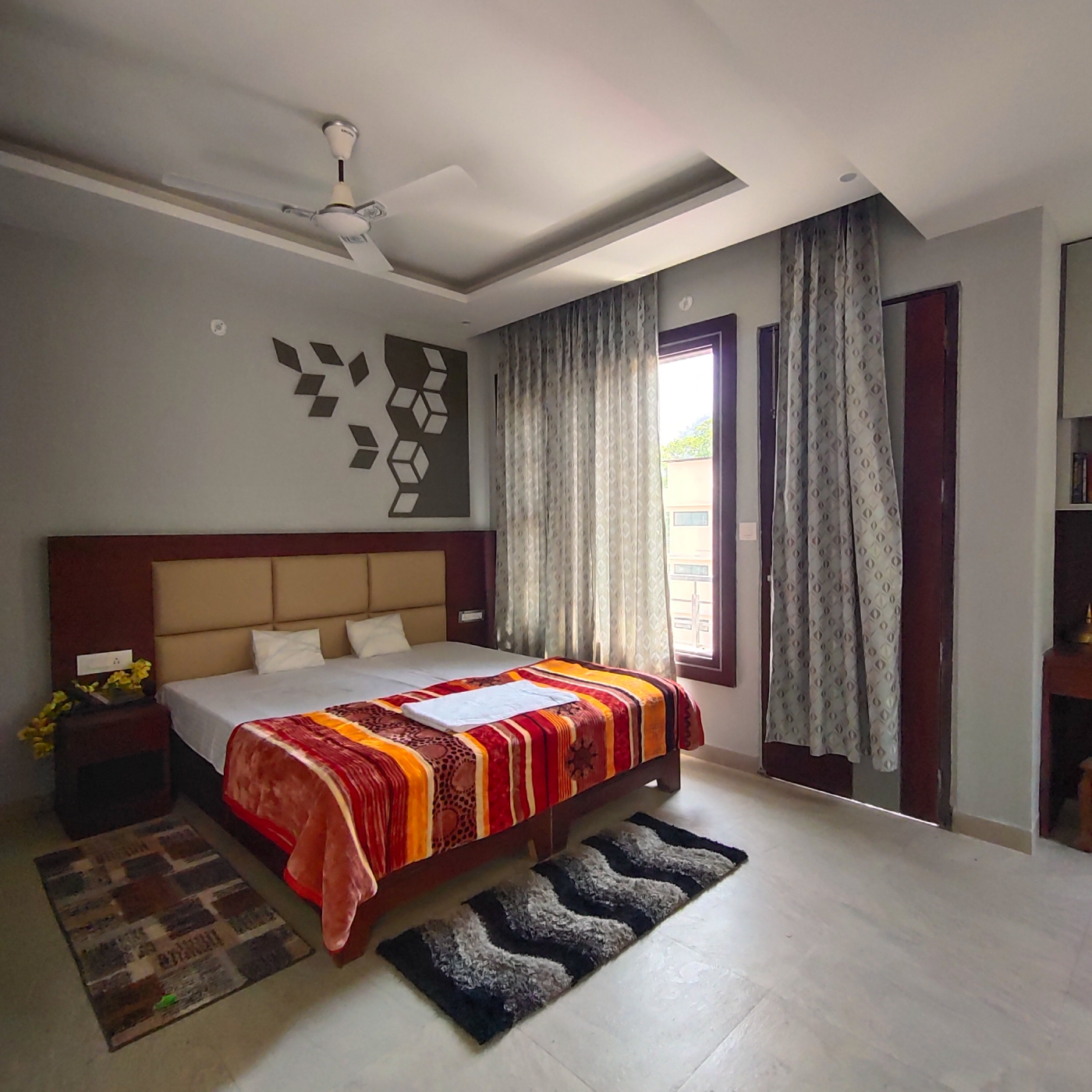
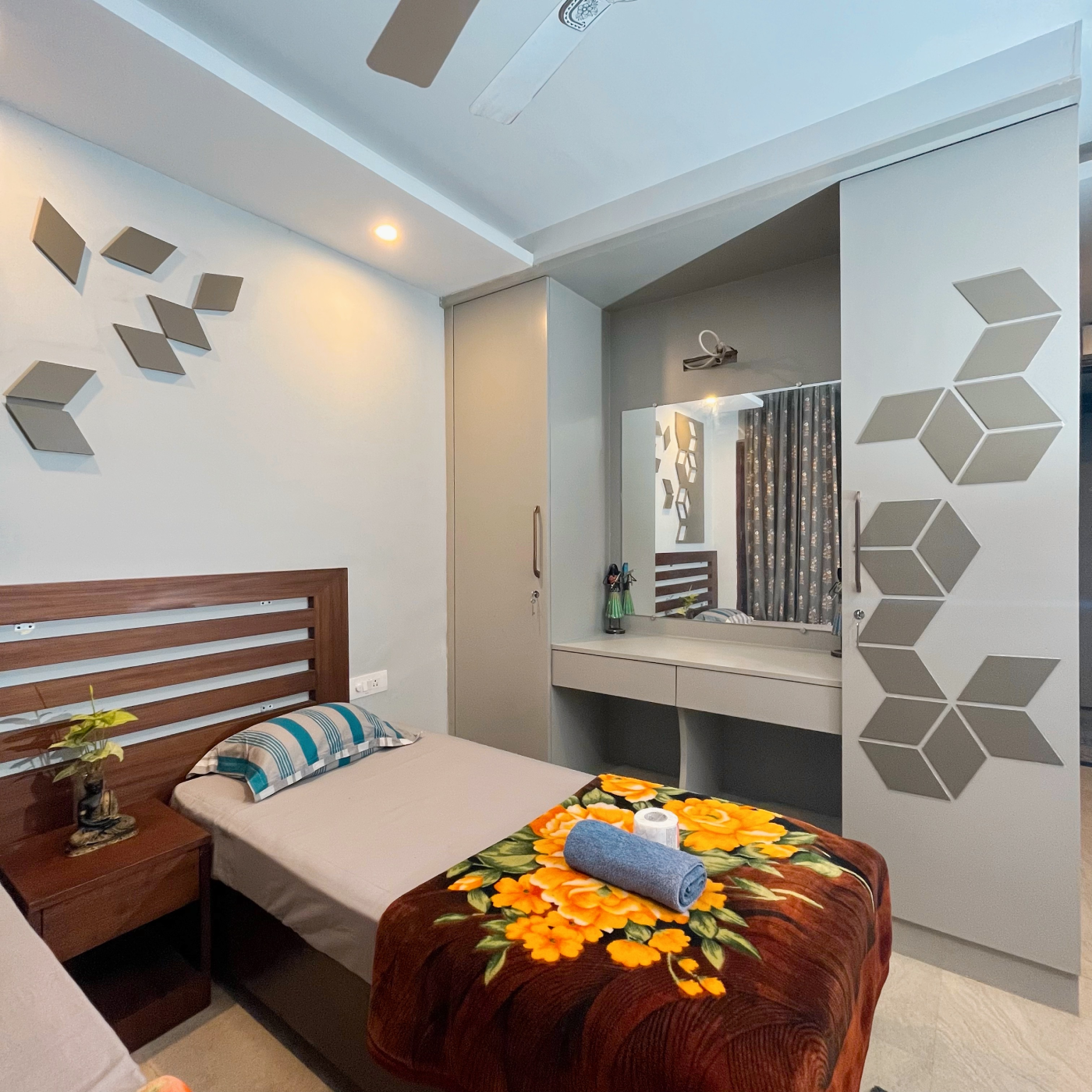
Wellness Center - Food And Accommodation

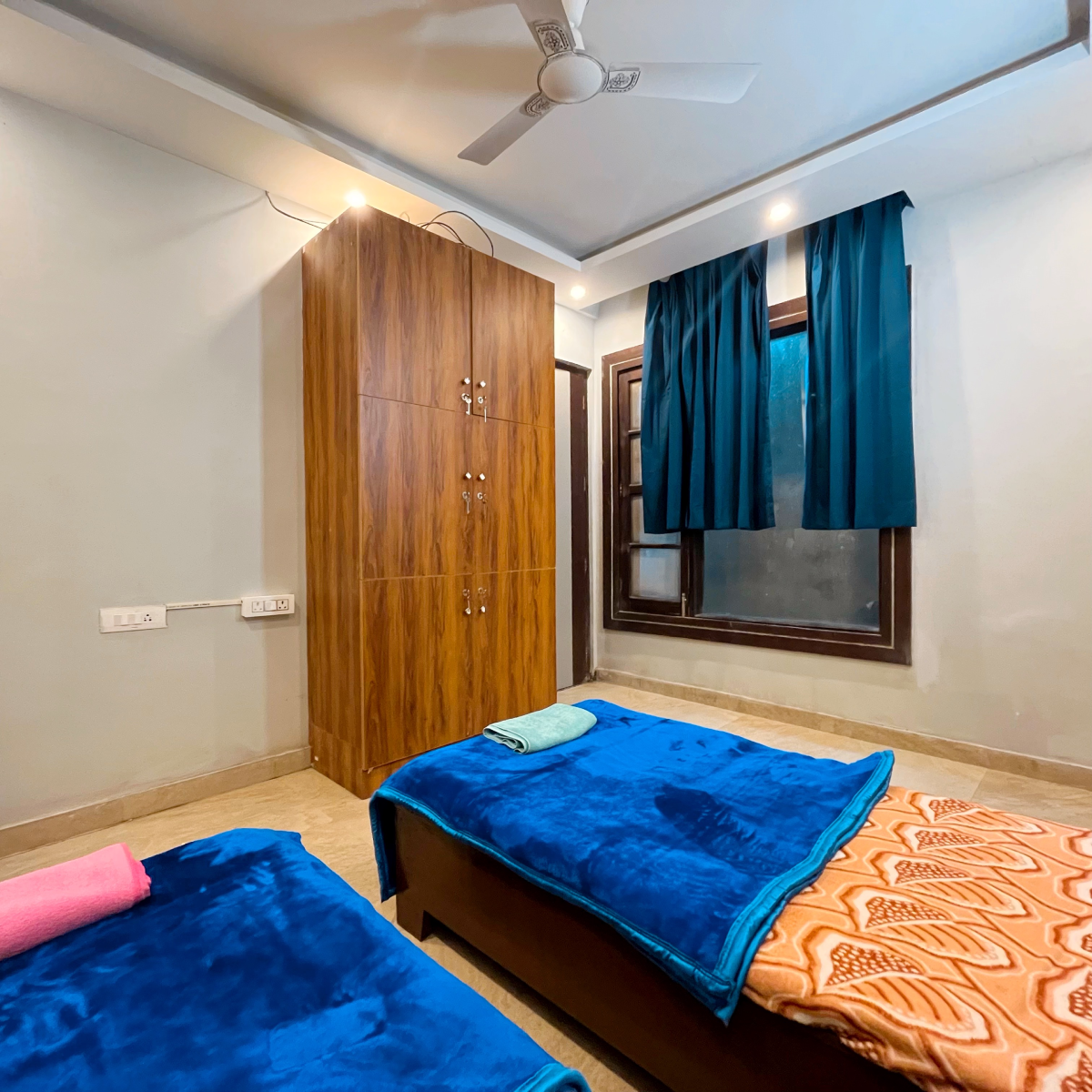
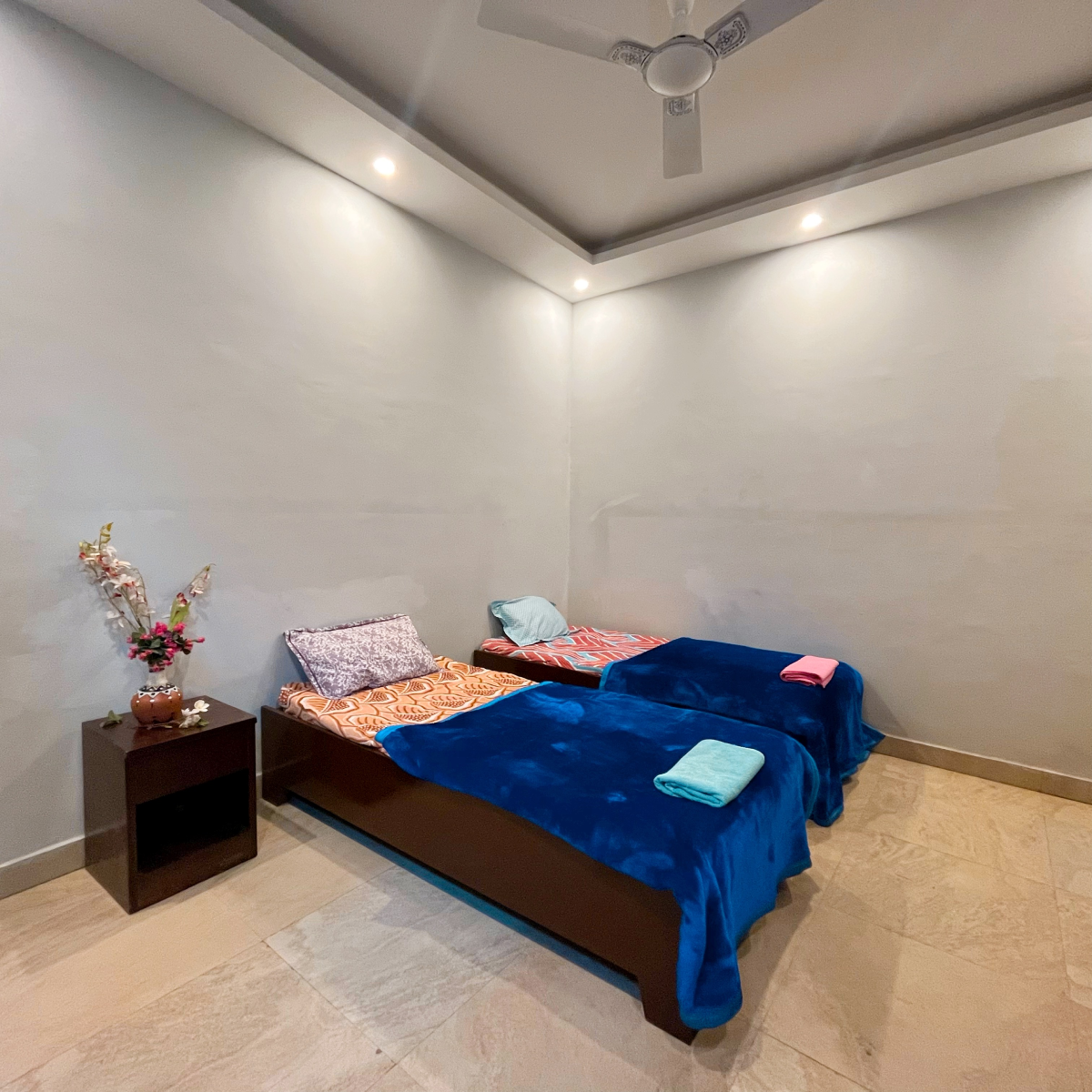
Facilities at World Peace Wellness, Rishikesh, India

  • Peaceful, nature-surrounded campus
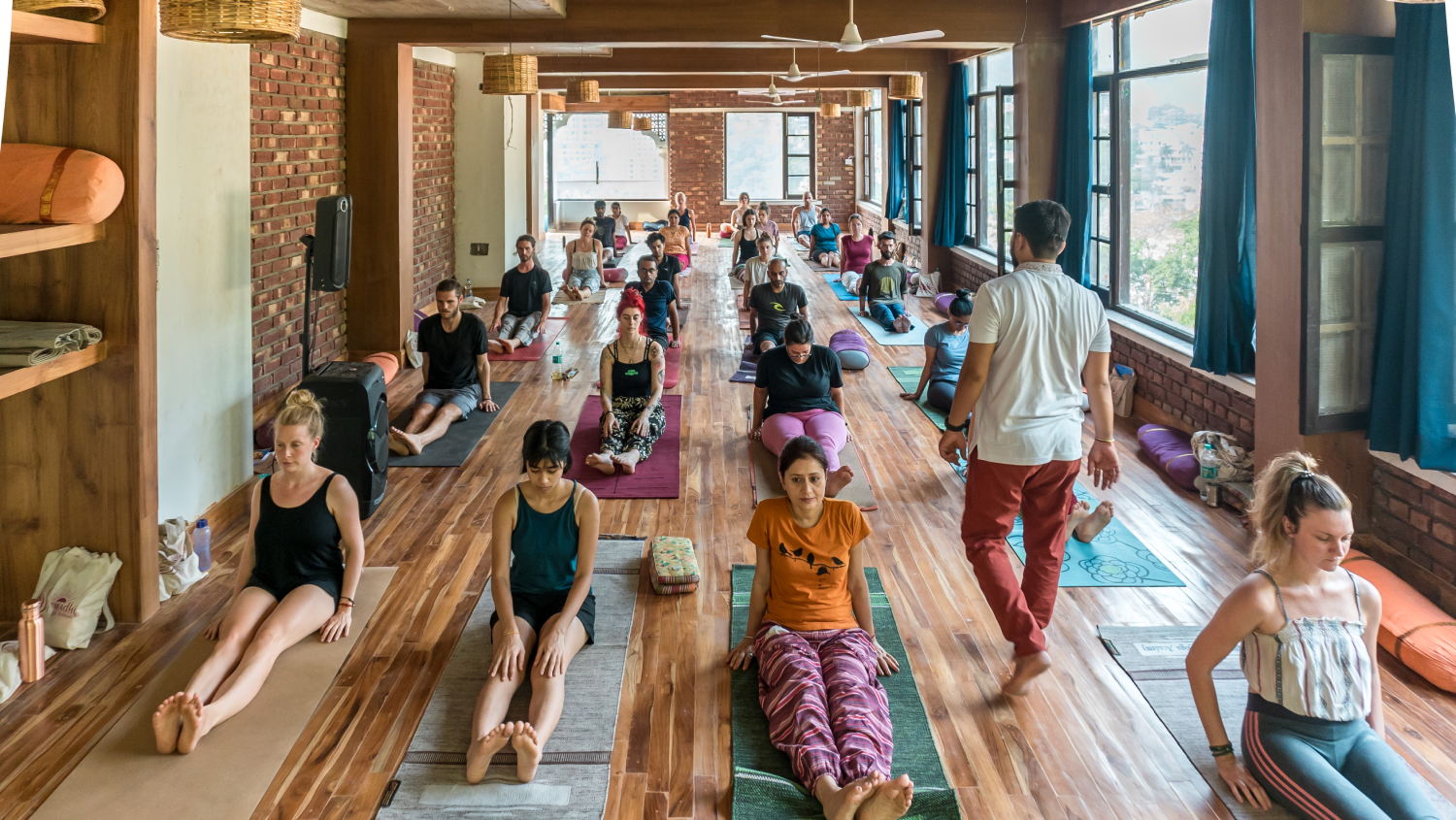
  • Ayurveda therapy rooms & meditation hall
  • Cozy accommodation provided
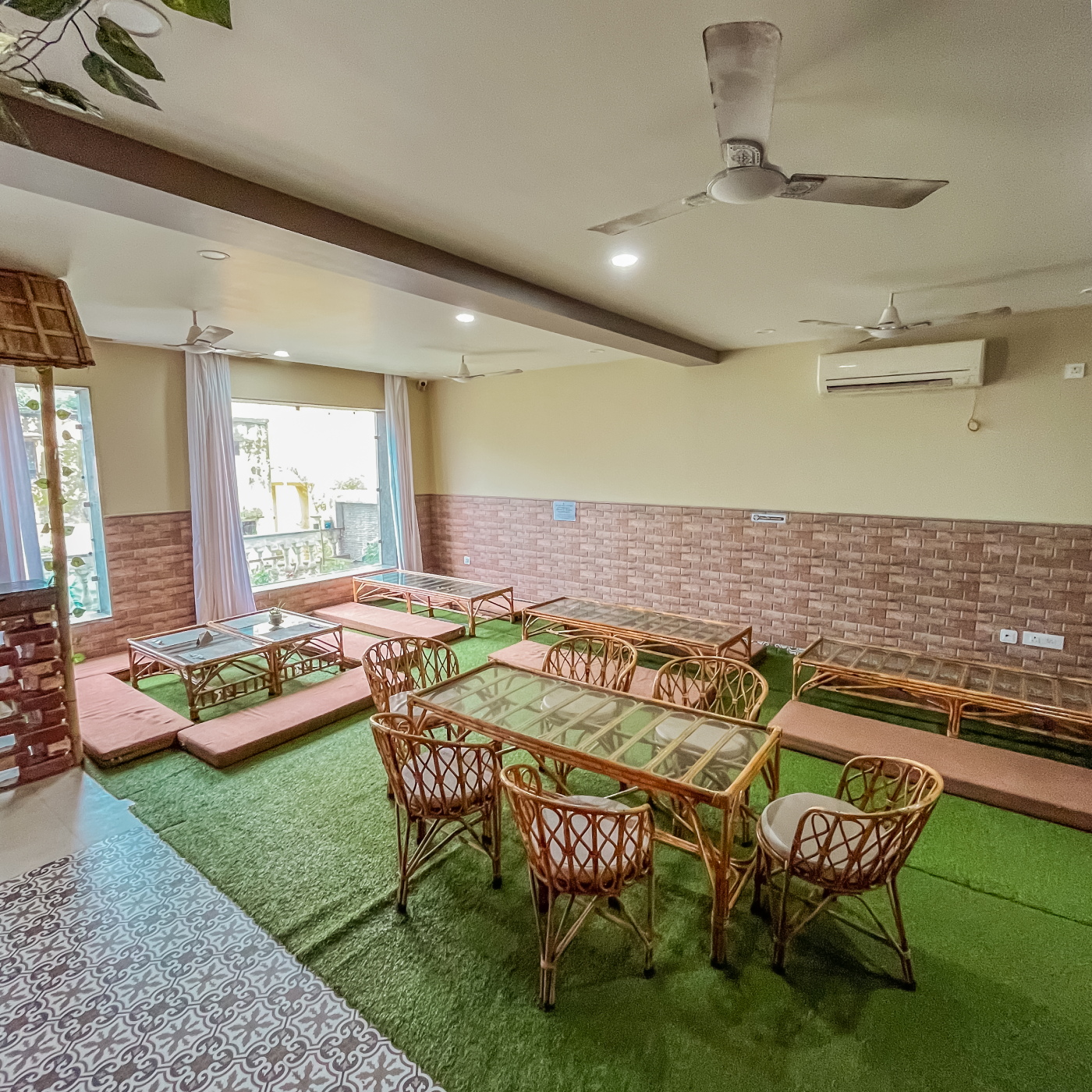
  • 3 times vegetarian meals
  • Fast Wi-Fi for work-from-travel guests
  • Supportive, family-like community

Every step is an opportunity to grow, do not let it pass you by

Excursions in the Combo Package in Rishikesh

Students enrolled in our *200 Hour YTTC + Meditation Teacher Training Combo Package* will receive all excursion opportunities included in both courses. During your training, you will visit sacred and beautiful places as mentioned on the 200 Hour and Meditation Teacher Training course pages, such as the *Kunjapuri Himalayan sunrise trip, Vashistha Cave*, and other significant locations. These excursions are thoughtfully integrated into the training, offering cultural, spiritual, and experiential enrichment alongside your yoga journey.

kunjapuri-temple

Kunjapuri Temple

Vashishtha-Cave

Vashishtha Cave

Parmarth-Niketan

Parmarth Niketan

Ganga-Beach

Ganga Beach

You do not learn anything from anyone unless you are desirous

How To Be Prepared For The Wellness

Yoga-Anatomy-By-Leslie-Kaminoff

Yoga Anatomy By Leslie Kaminoff

Download
Asana-Pranayama-Mudra-Bandha

Asana Pranayama Mudra Bandha

Download
Daily-Life-of-a-Yogi-By-Guru-Vishnu

Daily Life of a Yogi By Guru Vishnu

Download
Himalayan-Tradition-Of-Yoga-Meditation

Himalayan Tradition Of Yoga Meditation

Download
Manta-Book-By-Guru-Vishnu-Ji

Manta Book By Guru Vishnu Ji

Download
Meditation-And-Its-Methods

Meditation And Its Methods

Download
Patanjali-Yoga-Sutras-Bu-Swami-Vivekanand

Patanjali Yoga Sutras Bu Swami Vivekanand

Download

Your Everyday Retreat

Get Your Yoga Certification Course Today

Click Here To Join

Change is an essence of existence

FAQs About 15 Days Special 200 Hour Vinyasa & Wellness TTC In Rishikesh

What is the batch size for the Vinyasa yoga teacher training?

The batch size comprises of maximum 15 students.

What is the eligibility for the 200 hrs vinyasa yoga training course?

For the 200 hour vinyasa yoga teacher training in Rishikesh, you can be a beginner or an intermediate.

Will the certificate from World Peace Yoga School get recognition elsewhere?

Our school will issue the certificate of completion and a Yoga Alliance RYT 200 certificate. The same is recognised globally.

What types of accommodation are available at World Peace Yoga School?

We have dormitory, private and shared accommodation.

Can I get access to vegan/ gluten-free food at the school?

Yes, that is always possible. You must inform us prior.

Always Rememeber You Are The Whole

Rules & Refund Policy Of World Peace Yoga School

Code Of Conduct For Students

Yogic discipline and a recommended code of conduct are expected from all our dear students. World Peace Yoga School has the following disciplinary rules for our participants.

  • Smoking, Alcohol Non Veg including eggs are strictly prohibited in the school.
  • Inform the kitchen manager in advance if you have a fast/eat out on any day to avoid food wastage.
  • Always maintain discipline within the premises and be respectful to the teachers by obeying all the rules.
  • Maintain punctuality and arrive on time for the classes – latecomers will not be permitted to join sessions.
  • Return books, maps, or any goods which you might have borrowed from our institution.
  • World Peace Yoga School offers accommodation only for its students who join our Yoga courses, not to friends or family.
  • Complete attendance is compulsory in all the scheduled programs of World Peace Yoga School.

Compliance With Yoga Alliance Guidelines

Our premier Yoga institute at the heart of Rishikesh instructs every student to be aware of the following policy guidelines for students:

  • Anti-Harassment Policy: Yoga Alliance provides protection against any kind of harassment including sexual, discriminatory, personal, physical, personal, online, etc.
  • Anti-Retaliation Policy: This policy provides protection against violation of any form against those reporting violation of your code of conduct or who participate in an investigation related to a similar violation.
  • Attendance Policy: Attendance Policy offers guidelines with respect to a student’s attendance and participation in all events of the school’s Yoga Teacher Training program.

Refund Policy At World Peace Yoga School

  • Deposit is non- refundable
  • The school accepts course cancellation requests for situations out of our control such as illness, death etc – and you can defer the course for a future date prior to arriving in the school
  • Once you arrive in school the fees are non-refundable – the course can be deferred should you need to leave early

Your Everyday Retreat

Get Your Yoga Certification Course Today

Click Here To Join

Our Review & Ratings

What our Student Say About their Yoga Teacher Training in Rishikesh

Samantha Folwer

Canada

World Peace Yoga School was a great introduction to yoga in India. I have met some very amazing people, teachers and students during my YTTC. All my teachers were passionate and educated.

Sarah

Canada

The accommodation is cozy, the yoga hall is bright and clean, the food is delicious, the extra activities were wonderful, the teachers are amazing and each day is packed with new information and discoveries.

Kim Hasselfeldt

Canada

I appreciated being immersed in yoga every day from morning until night. The positive energy from both the teachers and fellow students created beautiful memories that I will always carry with me.

Alexandra Dewar

Canada

It was always a positive atmosphere and the teachers were really focused on our growth. I never had a question left unanswered. Coming out of this program, I truly feel like I have all the tools I need to become a yoga teacher.

Liang Fuhuan

China

It was really a life changing experience for me. This one month study opened the door to yoga for me. I learned that yoga means more than asana and exercises.

Sara

UK

Thank you, Vishnu, for such a beautiful experience here at World Peace Yoga School's teacher training course!

Michaela Stacher

Switzerland

There were so many good experiences that I made during my teacher training course! I am carrying a lot at home in my heart.

Nicola Wookey

Finland

Thank you, Vishnu, for such a beautiful experience here at World Peace Yoga School's teacher training course!

Kristiane

Norway

Thank you, Vishnu, for such a beautiful experience here at World Peace Yoga School's teacher training course!

Facebook Review

Twitter Review

Instagram Review

Book Yoga Retreats Review

Trip Advisor Review

Yoga Alliance Review

Yoga Teacher Training in Rishikesh

Follow us on Instagram for daily stories and offers!Instagram Icon

Yoga Teacher Training in Rishikesh

Copyright © 2026 World Peace Yoga School All Rights Reserved

Apply Now