Himalayan Vipassana Overview

Welcome To The Himalayan Vipassana Retreat

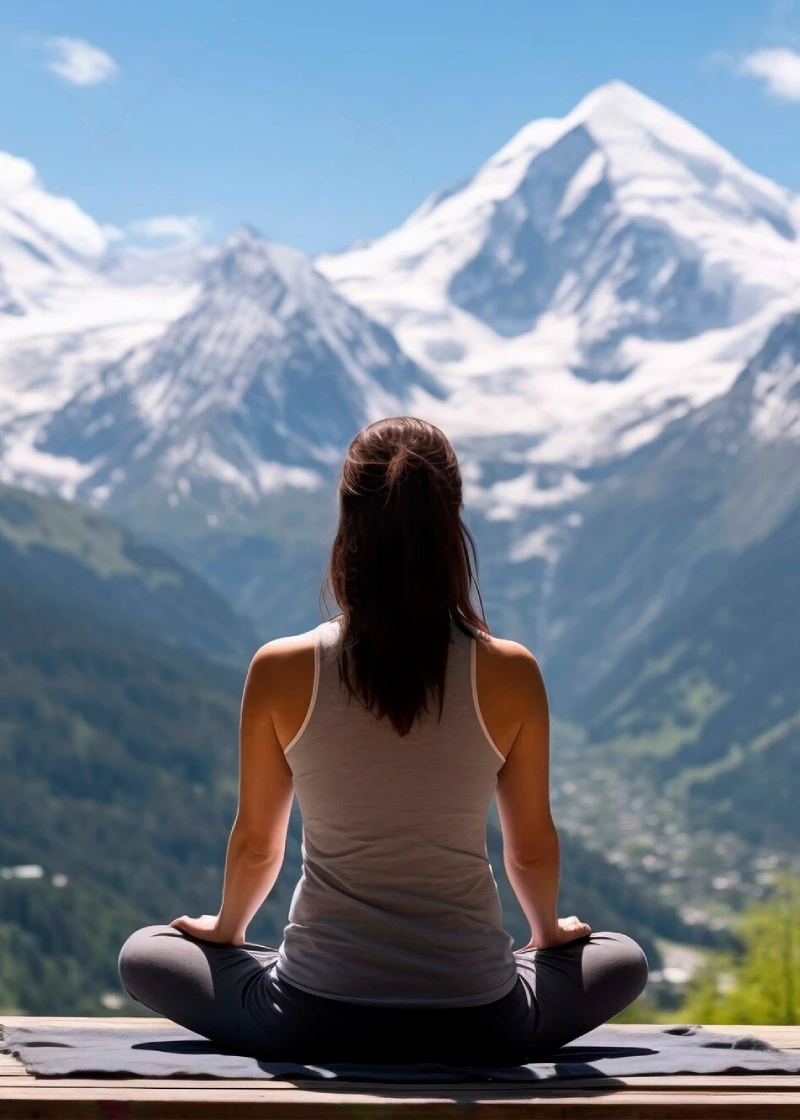
  • A woman meditating cross-legged facing snow-capped Himalayan peaks
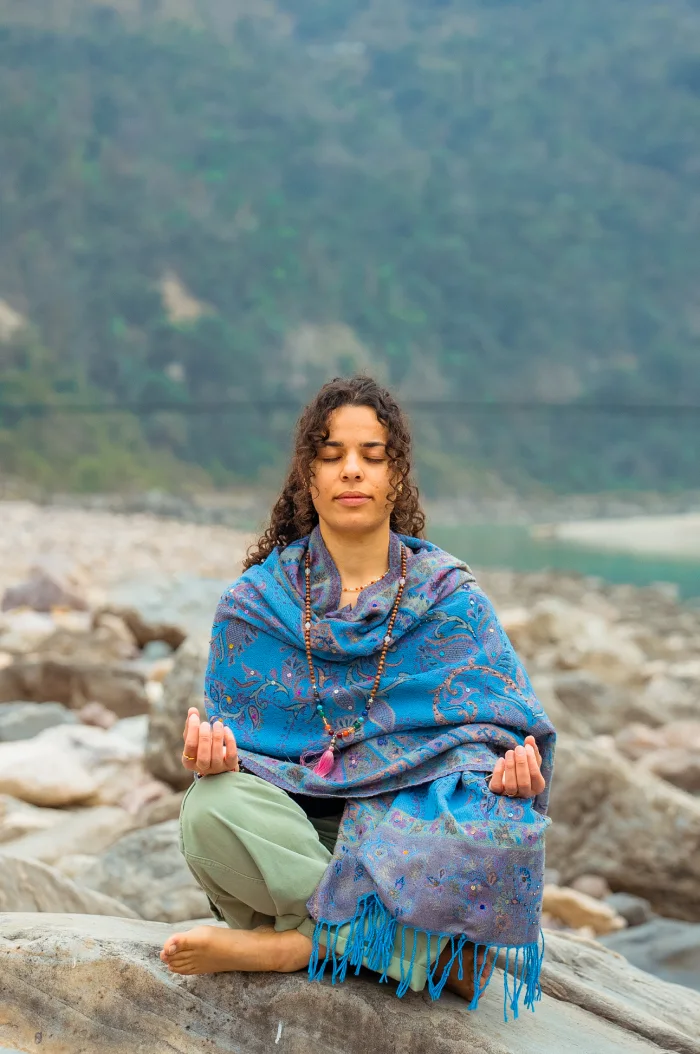
  • A woman wrapped in a blue shawl meditating on a rock by the Ganges

We are delighted to welcome you to this sacred journey of inner peace and self-discovery. Himalayan Vipassana is a profound form of silent meditation passed down over thousands of years by Himalayan masters. Sages such as Mahavatar Babaji, Swami Rama, Paramahansa Yogananda, and Ramana Maharshi have shared vast teachings on this ancient practice, deeply rooted in the wisdom of the Vedas, Upanishads, Bhagavad Gita, and Puranas.

What Is Himalayan Vipassana?

Himalayan Vipassana, also called Hindu Vipassana or Upasana, offers a step-by-step path to mindfulness and heightened awareness. You engage in a blend of dynamic techniques — specific movements, breathing exercises, chakra awareness, Kundalini activation, mantras, and sacred ceremonies — in a journey designed to be both powerful and joyful, bringing you closer to your true self.

“Silence is such a profound and deep experience of human existence that only when we have understood silence can we understand the inspiration that has ever flowed to humanity from the minds and mouths of the great rishis, sages and prophets.” — Swami Veda Bharati
The Philosophy Behind The Silence

Silence is one of the primary practices of the Himalayan tradition, helping sadhakas purify mind and emotions and move towards inner peace and intuitive wisdom. It can be defined as practising the independence of the mind — non-dependence on external objects of identification and on worldly experiences. Then wisdom flows naturally: knowledge is dropped, wisdom begins.

We long for that silence. We walk in the woods and sit by flowing streams, not wanting to get up because it is so peaceful there. We forget that it is our inner silence calling us — that which is our origin, and that which is our end.

Silence Is An Art And A Science

The practice of silence is a refined art and an intricate science. It is not simply closing your mouth. The yoga traditions speak of tapas — intense, ascetic endeavour until the mind “sweats” and frees itself of its impurities. We fear long-term commitments, yet if you commit to discovering the depths of silence, nothing else is left to achieve.

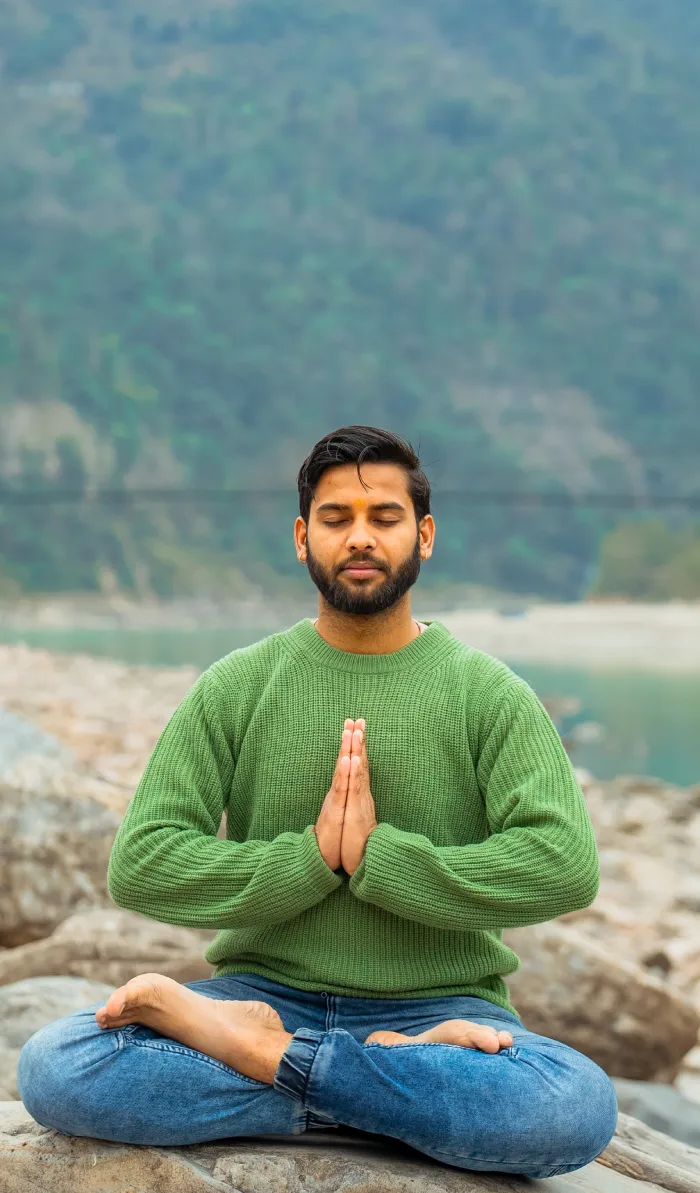
  • A man in a green sweater meditating with palms joined on a riverside rock
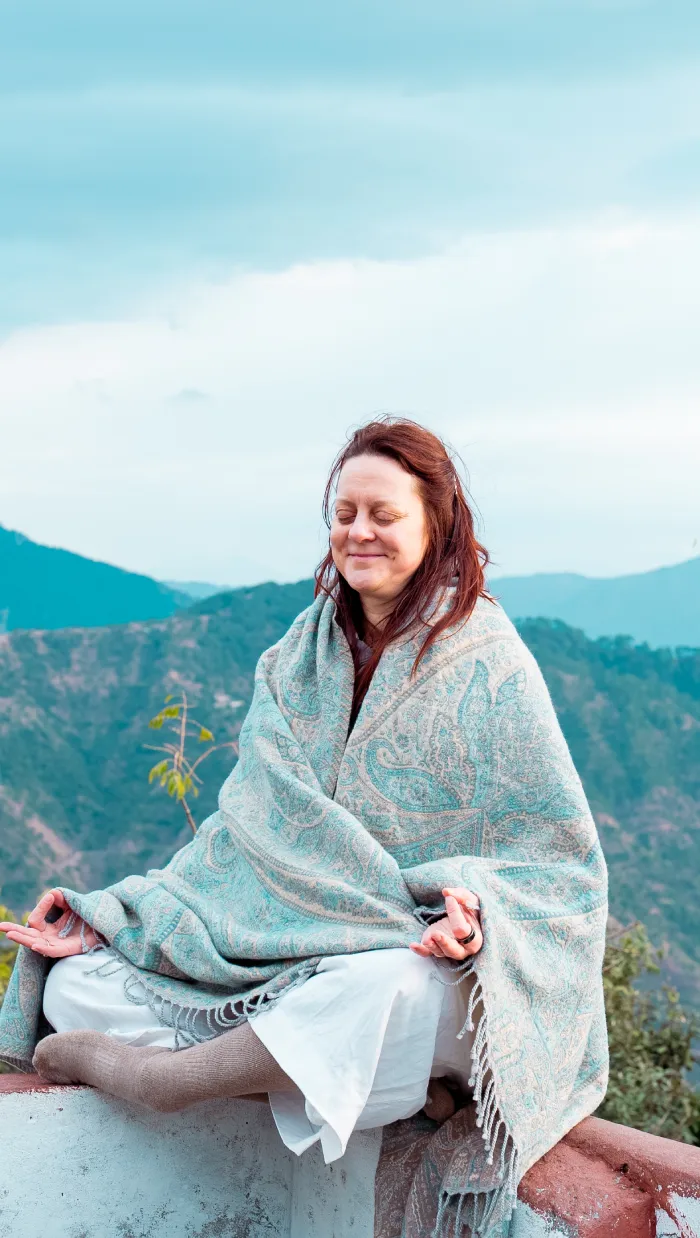
  • A smiling woman in a shawl meditating on a wall above the hills
The Main Practices

The Main Practices Of Himalayan Vipassana

The goal of Himalayan Vipassana is a deep state of silence — a silence filled with joy and harmony, not dryness and emptiness.

Foundation Meditation

Foundation practices build your stillness and awareness. Here you will learn:

  • How to sit
  • How to breathe
  • How to relax
  • How to focus
  • How to enter into silence

5 Pillars Of Sadhana

  • Brahmacharya: celibacy.
  • Conquest of sleep: mastery over sleep and sleep awareness.
  • Fasting: moderate eating, and deepening practice through fasting.
  • Silence: different ways of practising silence.
  • Stillness: stillness of body, breath, mind, and senses.

Himalayan Vipassana Techniques

  • Eating awareness: eating slowly and attentively.
  • Loving-kindness: cultivating compassion and love towards yourself and others.
  • Awareness of thoughts: noticing thoughts and emotions as they arise and pass, without attachment.
  • Mindful walking: walking slowly, attending to each step and movement.
  • Sitting in silence: observing your breath and bodily sensations without interference.

Meditations

  • Breath awareness
  • Mantra japa
  • Sushumna breathing meditation
  • Spinal breathing meditation
  • Yoga Nidra
A Journey To Wellness

Why Rishikesh For Himalayan Vipassana?

Rishikesh, with its lush greenery, sacred temples, and peaceful terraces, is the perfect environment for deep meditation and mindfulness. The natural beauty and cultural richness of India provide a nourishing backdrop for your inner journey, helping you reconnect with your true self.

Himalayan Vipassana is more than a meditation practice — it is a transformative journey. Whether you seek inner peace, emotional healing, or spiritual growth, it offers a path to awakening. Begin today, embracing each moment with awareness and an open heart.

Daily Structure

Daily Schedule Of Himalayan Vipassana

The daily schedule balances dynamic and silent meditations, movement practices, and rest, supporting you through each phase of your inner journey.

Morning

  • 04:00 AM Wake-up
  • 05:00 AM Silent Meditation
  • 06:15 AM Moving Meditation – Himalayan Yoga & Breathwork
  • 08:00 AM Foundation Meditation
  • 09:00 AM Relaxation & Yoga Nidra
  • 10:00 AM Brunch
  • 11:00 AM Digestive Breathing
  • 12:00 PM Self-Awareness / Journaling
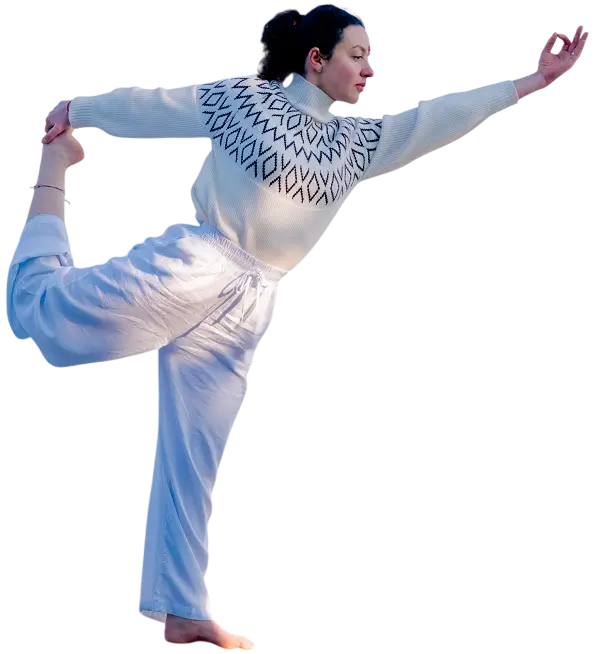
A student in Natarajasana, the dancer pose

Afternoon & Evening

  • 01:00 PM Silent Sitting
  • 02:00 PM Tea & Self-Observation
  • 03:00 PM Sushumna Breathing Meditation
  • 04:00 PM Silent Sitting / Lecture
  • 05:00 PM Dinner
  • 06:00 PM Digestive Walk
  • 07:00 PM Kirtan Dhyan / Nad Brahma
Discipline And Rules

Discipline And Rules Of The Retreat

To maintain the retreat’s integrity, participants are asked to observe the following:

  • Arrival: arrive by 10:00 AM on day one. After check-in you receive a bag for your belongings, including phones and laptops, which are stored away, and a key.
  • Dress code: all participants wear white clothing, available at the ashram store.
  • Silence: the practice of silence begins after the introductory lesson at 10:30 AM.
  • Separate dormitories: men and women stay in separate dormitories.
  • Vegetarian diet: vegetarian food only, no eggs. Smoking, drugs, and alcohol are prohibited.
  • No physical contact: no sexual contact, hugging, or handshakes — the focus is on connecting with yourself.
Dates And Donation

Join The Himalayan Vipassana Retreat

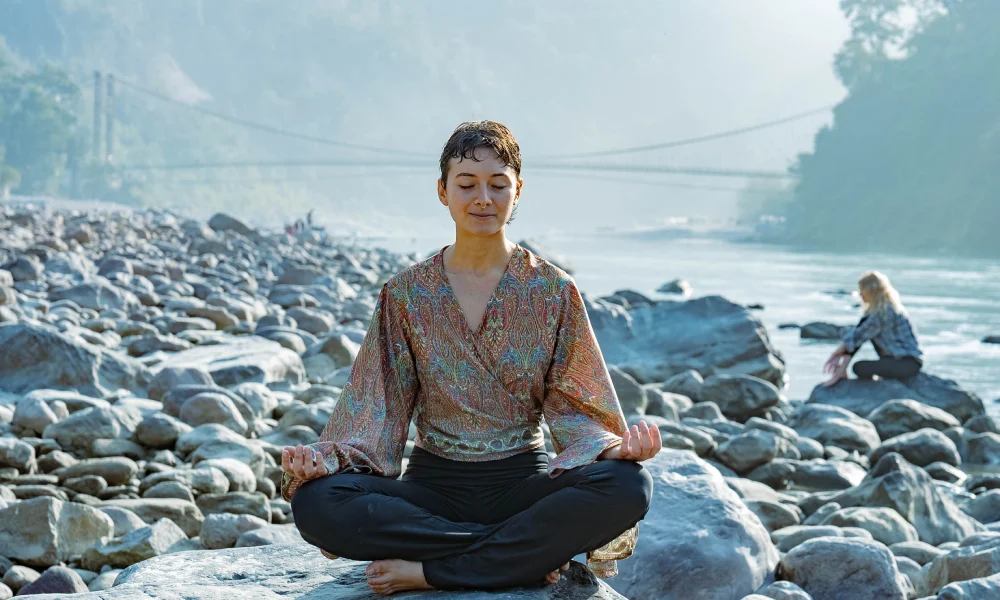
A woman meditating on the rocks of the Ganges near Rishikesh

The entire programme is free and supported by donations. After the retreat you may choose to donate, and you will receive a receipt.

A 10-day Vipassana programme is also available for those who wish to continue their journey.

Himalayan Vipassana

27th – 29th of every month
  • 3-day retreatOn Donation

All age groups · advance booking required

What To Bring

To make the most of your retreat
  • Comfortable, loose clothing for meditation and yoga
  • Personal toiletries
  • A journal (optional)
  • A refillable water bottle
  • An open mind and heart
Wellness Centre – Food And Accommodation

Food And Accommodation At World Peace Wellness

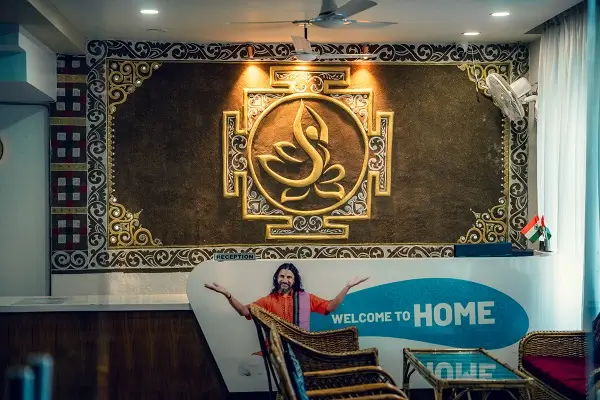
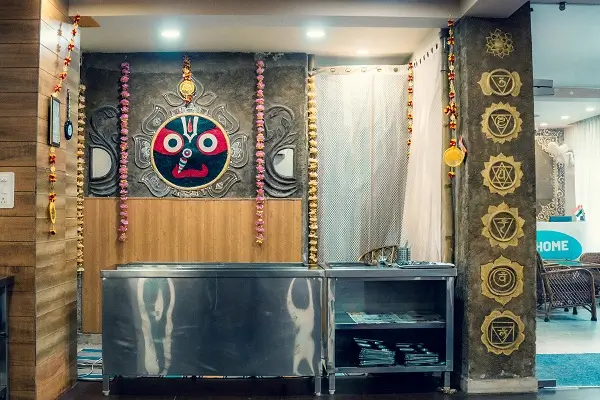
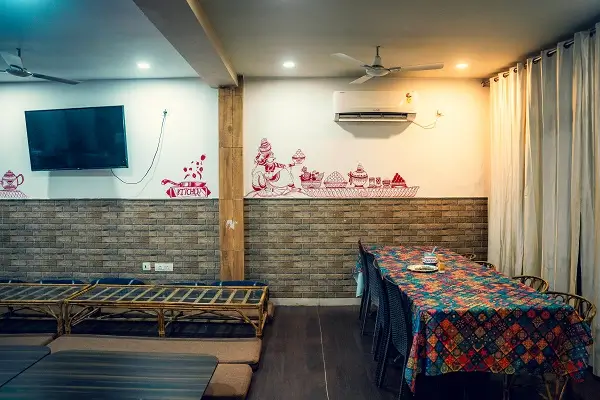
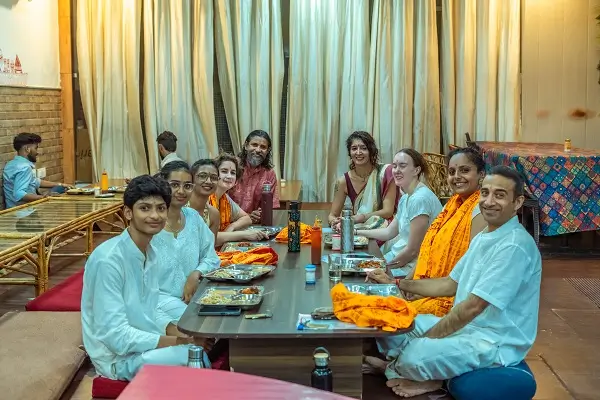
Students can stay at World Peace Wellness or choose to stay outside. Yoga, meditation, library books, nutritious Ayurvedic meals, and herbal or masala tea are available to everyone staying on campus. You can share a room or have your own, with clean, pleasant rooms and bathrooms — made even better by the Himalayan setting and the nearby Ganges.

Our meals are made with seasonal vegetables and fruits, cooked to preserve their nutrients. Our skilled kitchen team serves three nutritious, tasty meals every day.

You do not learn anything from anyone unless you are desirous

How To Be Prepared For The Wellness

Nurture Your Body With Himalayan Vipassana

Get Your Himalayan Vipassana Wellness Today

Our Review & Ratings

What Our Students Say

Review us
on
★★★★★ Scan the QR Code below
to leave us a review!
Scan QR code to leave a Google review worldpeaceyogaschool.com
21 days ago

My experience was very professional, and it was very easy to work with the team here. The teachers made every class feel personal.

A Amy Fowles Posted on Google
1 month ago

Thank you, Vishnu, for such a beautiful experience at World Peace Yoga School! The teachers were incredibly patient and the ashram felt like home.

S Sara Mitchell Posted on Google
1 month ago

The 200 hour course changed how I understand yoga completely. Philosophy classes with Guru ji were the real highlight for me.

M Marco Ferrari Posted on Google
2 months ago

Beautiful location on the banks of the Ganga, honest teaching and genuinely caring staff. The food was simple and fresh.

A Aiko Tanaka Posted on Google
2 months ago

I did the 300 hour here after my 200 elsewhere, and the difference in depth is huge. Kundalini sessions were unforgettable.

L Lucia Moreno Posted on Google
2 months ago

Small groups, personal attention and a schedule that leaves room to absorb what you learn. The sunrise trip was magical.

D Daniel Brooks Posted on Google
3 months ago

Every teacher here is deeply rooted in the tradition. I arrived as a nervous beginner and graduated feeling confident to teach.

E Emma Larsen Posted on Google
3 months ago

Authentic Himalayan tradition, not a watered down tourist course. The anatomy classes alone were worth the trip.

J Julien Rousseau Posted on Google
4 months ago

As an Indian student I was looking for real parampara and found it here. Mantra chanting every morning set the tone for the day.

P Priya Sharma Posted on Google
4 months ago

The ashram is spotless, the staff kind, and the teaching honest. I left with a practice I actually maintain at home.

K Klara Novak Posted on Google
5 months ago

Guru ji has a way of explaining philosophy that finally made the sutras click for me. Highly recommend the 500 hour path.

T Tom Alvarez Posted on Google
5 months ago

Warm community, serious teaching and a stunning setting. Six weeks here reset something in me that no holiday ever has.

N Nadia Haddad Posted on Google
Plan your arrival

How To Reach World Peace Yoga School

It is safe to travel to World Peace Yoga School. We are in Laxman Jhula, Rishikesh — pick the route that suits your arrival.