300-Hour Kundalini Yoga Teacher Training In Bali, Indonesia
Are you ready to take your practice and understanding of Kundalini Yoga to the next level? Our 300-Hour Kundalini Yoga Teacher Training Course in Bali is the perfect opportunity to deepen your knowledge and skills while enjoying the stunning surroundings of this beautiful island.
Led by experienced and highly trained instructors who have studied Kundalini Yoga in its birthplace in India, our 300-hour course is designed to help you unlock your full potential as a Kundalini Yoga teacher. Over the course of our program, you will delve deeper into the principles of pranayama, asana, meditation, mantra, and yogic philosophy, as well as gain a deeper understanding of the chakras and subtle body.
Our 300-hour training is structured to provide a comprehensive and immersive experience, with plenty of opportunities to practice teaching, receive feedback, and refine your teaching style. Whether you are looking to teach Kundalini Yoga professionally or simply deepen your practice, our experienced instructors will guide you every step of the way.
In addition to the curriculum, we offer a range of workshops and activities to enhance your experience in Bali. You will have the opportunity to attend workshops on topics such as the business of yoga, anatomy, and teaching special populations. You can also participate in group activities such as ecstatic dance, sound healing, and kirtan. Plus, you can explore Bali’s beautiful beaches, temples, and cultural sites during your free time.
To be eligible for our 300-hour course, you must have already completed a 200-hour yoga teacher training program. Upon completion of our program, you will be a certified Kundalini Yoga teacher recognized by the Yoga Alliance.
If you are ready to take your practice and teaching skills to the next level, join us for our 300-Hour Kundalini Yoga Teacher Training Course in Bali. This is a life-changing opportunity to deepen your practice, gain valuable teaching skills, and experience the beauty of Bali. We look forward to welcoming you!
Kundalini Chakras and Activation
Kundalini Yoga use a combination of physical postures (asanas), breathing techniques (pranayama), meditation, and chanting (mantra) to help activate and move the Kundalini energy. The practice is designed to stimulate the nervous and glandular systems, which are responsible for regulating the body’s functions and maintaining overall health and well-being.
As the Kundalini energy rises through the chakras, it can help to release any blockages or imbalances in these energy centers. This can lead to greater physical, emotional, and spiritual health, as well as a deeper sense of connection to the self and the world around us.
Kundalini Yoga Traditions Followed At World Peace Yoga School
Kundalini Yoga is a powerful practice that focuses on the awakening of the dormant energy that lies at the base of the spine, known as Kundalini energy. The process of Kundalini awakening involves the movement of this energy up through the central channel of the body, activating and balancing the chakras along the way.
Yoga can be a powerful tool in supporting the process of Kundalini awakening and chakra activation. By practicing regularly, you can build strength, flexibility, and endurance in the body, which can help to prepare you for the energy shifts that can occur during Kundalini awakening. In addition, yoga can help to calm and focus the mind, which is essential for navigating the sometimes intense experiences that can arise during this process.
If you are interested in exploring the transformative power of Kundalini Yoga and chakra activation, consider enrolling in our 300-Hour Kundalini Yoga Teacher Training Course in Bali. Our experienced instructors will guide you through a comprehensive curriculum that includes both the theory and practice of Kundalini Yoga, helping you to deepen your understanding and practice of this powerful tradition.
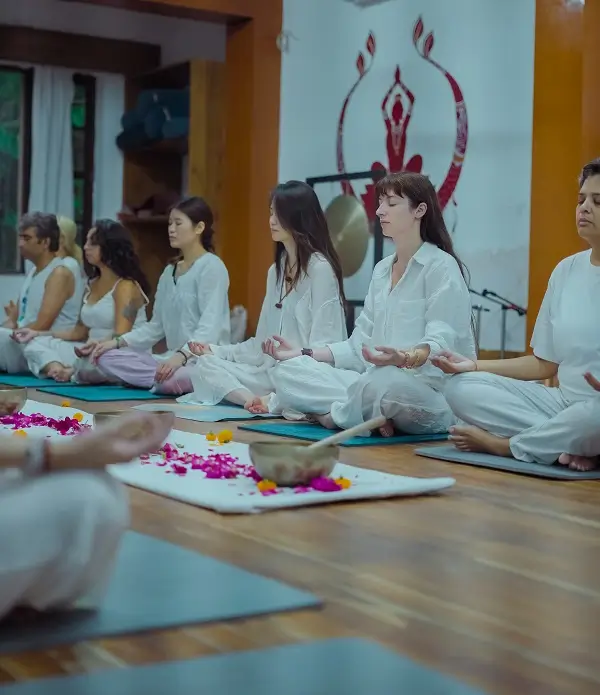
This practice helps to expand our aura and energy field, and we encourage our students to wear white during group activities and practice teaching sessions. Sadhana is a daily practice that includes chanting, meditation, and yoga to raise consciousness and connect with the divine. We offer training for those who wish to participate, providing a powerful tool for personal growth and spiritual development.
300 hour YTTC exclusive – now includes:
50 hour Yin Yoga – learn to come into being
Know The Chakras
Seven Chakras In Kundalini Yoga
In Kundalini Yoga, the seven chakras are considered vital energy centers that govern our physical, emotional, and spiritual well-being. These chakras are interconnected and influence one another, and by working with them, we can activate our innate potential and cultivate a deeper sense of self-awareness and spiritual growth.
By working with the chakras in Kundalini Yoga, we can cultivate greater awareness of our energy centers and learn to balance and activate them for optimal physical, emotional, and spiritual health. Through practices such as pranayama, meditation, asana, and mantra, we can awaken the Kundalini energy that lies dormant within us and activate each chakra to reach our highest levels of consciousness and spiritual evolution. Have a look at seven chakras:
01
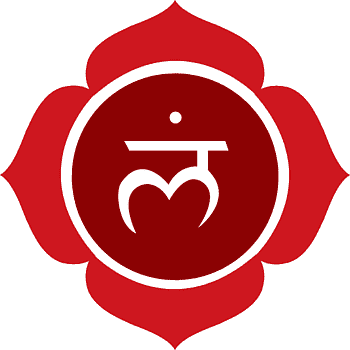
01 Root Chakra
Muladhara
The root chakra is located at the base of the spine and is associated with the element of earth. Its color is red. The root chakra represents our sense of grounding and stability. When balanced, we feel safe and secure in our physical bodies and our environment. An imbalanced root chakra can lead to anxiety, fear, and a sense of disconnection from the body. Kundalini Yoga practices that benefit the root chakra include standing postures, grounding meditations, and deep relaxation techniques.
02
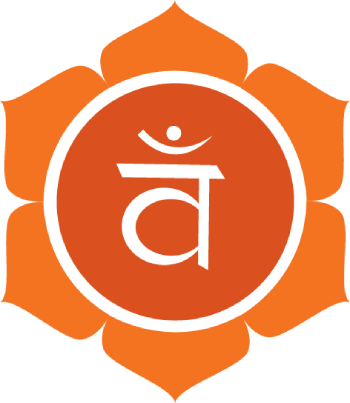
02 Sacral Chakra
Swadhisthana
The sacral chakra is located just below the navel and is associated with the element of water. Its color is orange. The sacral chakra represents our creativity, sensuality, and emotional expression. When balanced, we feel a sense of passion and joy in life. An imbalanced sacral chakra can lead to a lack of creativity, emotional suppression, and difficulty with intimacy. Kundalini Yoga practices that benefit the sacral chakra include hip-opening postures, breathwork, and chanting.
03
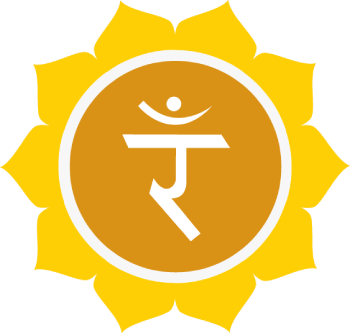
03 Solar Plexus Chakra
Manipura
The solar plexus chakra is located in the upper abdomen and is associated with the element of fire. Its color is yellow. The solar plexus chakra represents our sense of personal power and confidence. When balanced, we feel a sense of self-esteem and inner strength. An imbalanced solar plexus chakra can lead to low self-esteem, feelings of powerlessness, and digestive issues. Kundalini Yoga practices that benefit the solar plexus chakra include core-strengthening postures, a breath of fire, and chanting.
04
04 Heart Chakra
Anahata
The heart chakra is located in the center of the chest and is associated with the element of air. Its color is green. The heart chakra represents our ability to give and receive love, compassion, and connection. When balanced, we feel a sense of love, empathy, and connection to others. An imbalanced heart chakra can lead to feelings of isolation, emotional detachment, and difficulty with relationships. Kundalini Yoga practices that benefit the heart chakra include heart-opening postures, pranayama, and chanting.
05
05 Throat Chakra
Vishuddhi
The throat chakra is located in the throat area and is associated with the element of ether or space. Its color is blue. The throat chakra represents our ability to communicate our truth and express ourselves authentically. When balanced, we feel a sense of clear communication and self-expression. An imbalanced throat chakra can lead to difficulty with self-expression, communication, and speaking one’s truth. Kundalini Yoga practices that benefit the throat chakra include throat-opening postures, chanting, and meditation.
06
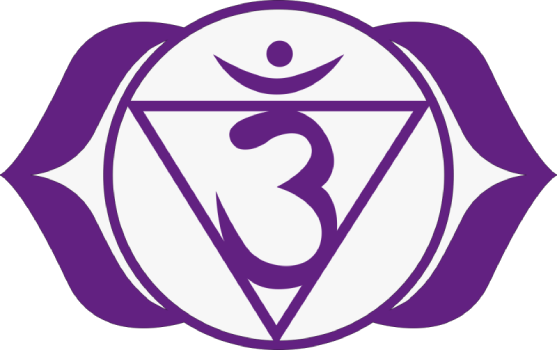
06 Third Eye Chakra
Ajna
The third eye chakra is located between the eyebrows and is associated with the element of light or intuition. Its color is indigo. The third eye chakra represents our intuition, insight, and inner wisdom. When balanced, we feel a sense of clarity, intuition, and inner guidance. An imbalanced third eye chakra can lead to a lack of clarity, confusion, and difficulty with decision-making. Kundalini Yoga practices that benefit the third eye chakra include meditation, pranayama, and eye-focused postures.
07
07 Crown Chakra
Sahasrara
The crown chakra is located at the top of the head and is associated with the element of pure consciousness. Its color is violet or white. The crown chakra represents our connection.
Nothing From Outside Can Fulfil You But Yourself, Happiness Is Within
300-Hour Kundalini Yoga TTC From World Peace Yoga School
Kundalini yoga is a potent technique that aids people in connecting with their higher selves and awakening their inner potential. A 300-hour Kundalini Yoga Teacher Training Course (YTTC) is a comprehensive course that will help you better understand Kundalini Yoga and get you ready to teach its principles to others. The transforming potential of a 300-hour Kundalini YTTC and how it may improve your practice and teaching abilities will be discussed in this blog article.
You will start on a transforming journey via this course that will not only improve your practice but also give you the ability to assist others on their spiritual path. With advanced kriyas, meditations, pranayama, and other methods, you will develop your understanding of and practice Kundalini Yoga throughout the course. Learn how to awaken the Kundalini energy to enter higher realms of awareness as well as the subtle energy systems of the body. As a result, your reputation as a Kundalini yoga authority will grow, which will strengthen your teaching credentials.
Finding a group of people who share your enthusiasm for yoga and spirituality through a Kundalini Yoga Teacher Training Course is a great opportunity. You will create lifelong friendships and deep connections via group activities and conversations. You can stay inspired and motivated in your teaching and personal practice through this sense of community.
You will get the confidence and expertise necessary to instruct Kundalini Yoga via the training. You will learn how to design lessons that are secure, efficient, and motivating for your pupils. Also, you’ll learn how to advertise your services as a yoga instructor and the business of yoga. This will increase your earning potential and help you become a sought-after instructor.
Kundalini yoga is an effective technique for making changes in your life. When you overcome your restrictions and obstructions, you will undergo profound healing and transformation. After finishing the course, you’ll feel more connected to your higher self, clearer, and with a stronger sense of purpose. You may increase student enrollment and enhance your teaching reputation by going through this internal shift.
The 300-hour Kundalini Yoga Teacher Training Course will profoundly enhance your practice, broaden your consciousness, and equip you to spread the transformational benefits of Kundalini Yoga to others. A 300-hour Kundalini YTTC could be the best option for you if you’re ready to advance your practice and start a path of self-reflection and change.
The process of releasing the latent energy known as the “coiled serpent,” which is located at the base of the spine, is known as kundalini awakening. The chakras are activated and balanced when this potent energy is aroused, which leads to a profound spiritual transformation. Even though the Kundalini awakening has the potential to be a profound and life-altering event, it is crucial to approach it with caution and under the direction of an experienced teacher.
Awakening of the kundalini may be a potent instrument for change and personal growth. We may recognize and let go of old thinking and behavior patterns that do not serve us when the energy flows through the chakras. A stronger feeling of life purpose, more self-awareness, and more confidence can all result from this inner change process.
In conclusion, Kundalini’s awakening has the potential to be a deep and transforming experience that promotes personal development and change as well as an increase in spiritual consciousness. It is crucial to approach it cautiously and under the direction of a knowledgeable tutor, though.
Brief Overview Of What You Will Learn?
The 300-hour Kundalini Yoga training course will address the themes listed in the bullet points below in more detail. It’s crucial to remember that the course will provide students with a thorough education in Kundalini Yoga and will equip them with the skills necessary to teach Kundalini Yoga sessions with assurance once they’ve finished.
History and philosophy of kundalini yoga.
Methods for energizing and restoring balance to the chakras.
Kriyas from Kundalini Yoga (sets of exercises).
Pranayama (breathing techniques).
Meditative techniques.
The importance of mantra chanting.
Biology and anatomy.
Ayurvedic self-care guidelines.
Experience teaching in a class.
Personal and spiritual development.
The functions of the instructor or teacher.
How to organize a class in Kundalini yoga.
A daily spiritual practice’s significance.
How to deal with students who have varying restrictions and talents.
Kundalini yoga modifications include the usage of props.
The morals of teaching yoga and keeping appropriate limits in the workplace.
Why Is Our School Special?
Why Choose World Peace Yoga School For Yoga
Know Why World Peace Yoga School?
These bullet points highlight some of the key reasons why World Peace Yoga School stands out as an excellent choice for a Kundalini Yoga training course. We strive to provide a high-quality, comprehensive education that prepares students to become confident and competent Kundalini Yoga teachers while fostering personal growth and transformation in a supportive and inclusive environment.
Experienced and knowledgeable teachers with years of teaching and practice.
A comprehensive curriculum that covers all aspects of Yoga Alliance.
Individualized attention and feedback.
A focus on self-care and holistic health, with instruction on Ayurvedic principles and daily self-care practices.
Emphasis on the spiritual and meditative aspects of Kundalini Yoga, in addition to physical postures.
A commitment to ethical and professional standards in teaching yoga.
Flexible scheduling options, including intensive and part-time courses.
Affordable tuition rates and payment plans are available.
Access to guest teachers and workshops to deepen your knowledge and practice.
An emphasis on accessibility and inclusivity, with accommodations for students with different abilities and needs.
Why 300 Kundalini YTTC With World Peace Yoga School?
Traditional Kundalini Yoga practices are combined with current teaching approaches.
Personal change and spiritual progress, as well as professional advancement, are prioritized.
An investigation of the science of Kundalini Yoga and its impact on the mind, body, and soul.
Technology and internet resources are used to enhance the learning experience.
Ayurvedic concepts and practices are incorporated for comprehensive health and well-being.
With accommodations for students with varying abilities and needs, the emphasis should be on inclusion and accessibility.
Our Karma Yoga program provides opportunities for community involvement and giving back.
Incorporation of guest lecturers and seminars to broaden your knowledge and practice.
Personal growth and change are fostered by the helpful and nurturing learning environment.
Dedication to ethical and professional standards in yoga instruction.
Why Are We Different?
Our distinctive combination of ancient Kundalini Yoga practices and modern teaching approaches and techniques.
Our dedication to providing a thorough education in all elements of Kundalini Yoga, including philosophy, anatomy, and teaching methods.
In addition to professional development, we place a strong focus on personal change and spiritual progress.
Our emphasis is on inclusiveness and accessibility, with accommodations for students of various abilities and needs.
Our warm and compassionate learning atmosphere supports personal growth and transformation.
23 Years of Remarkable Achievement of World Peace Yoga School
30,000+Trained Yoga TeachersEmpowering teachers for a better world
4.8Average RatingLoved by students worldwide
23+Years of ExperienceA legacy of trust and excellence
120+CountriesA global community of peace and wellness
4.8/5
Rated by our students on
Google | TripAdvisor | Trustpilot | Yoga Alliance | Facebook
The Highest Value Of Life Is To Love Yourself First
Curriculum For 300-Hour Kundalini Yoga Teacher Training Course
Mantra & Mantra Chanting
Mantra
Mantra is a set of words that consist of specific sounds, vibrations received by ancient yogis, and seers which offer a powerful physical, mental and spiritual benefit. There are many kinds of Mantras available for different purposes. You will be learning;
Art and science of Mantra
Mantra and its power
How mantra is made
Is mantra a religion
Sound vibration
Mantra Chanting
The proper way of chanting the Om Mantra
Shiva Mantra for Peace
Durga Mantra for Energy Awakening
Kundalini Mantra
Krishna Mantra for Joy
Ganesha Mantra for Stillness and Removal of Obstacles
Mantra to be led towards light and immortality (Asatoma)
Surrender Mantra (Twamevamata)
Mantra to Save Life and Journey (Trayamvakam)
Mantra for Purification of the Mind (Gayatri)
Guru Disciple Study Mantra (Sahana)
Guru Mantra (Guru brahma)
Patanjali Mantra (Yogenacittasya)
Suryanamaskar 12 Mantra (omMitraya)
Kundalini Yoga Asana
Alignment, Assist, and Adjustment
Surya namaskar (sun salutation)
Chandra namaskar (moon salutation)
Bharadvajasana
Lolasana – swinging pose
Kukkutasana – rooster pose
Sarpasana – snake pose
Shalabhasana – locust pose
Dhanurasana – Bow pose
Paschimottanasana – seated forward bend
Janu sirshasana – head to knee pose
Parivirta janu sirshasana – revolving head to knee pose
Sarvangasana – shoulder stand
Padam sarvangasana – shoulder stand lotus pose
Sirshasana- Headstand
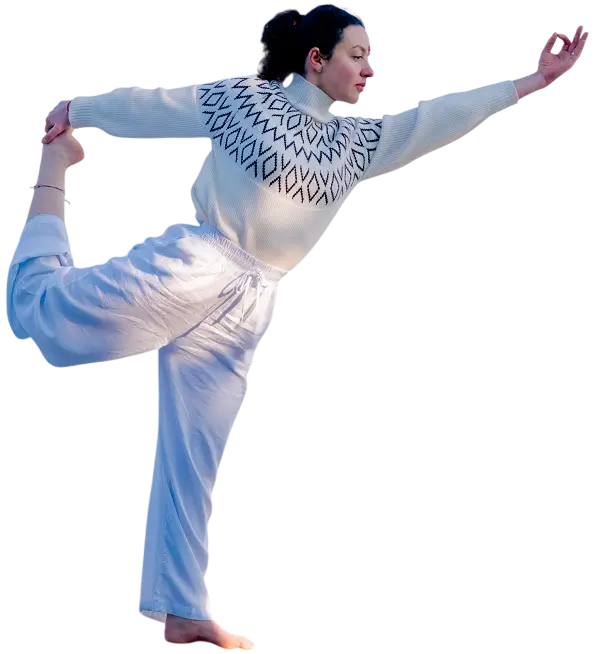
Natarajasana – lord shiva’s pose
Utthita hasta padangusthasana
Naukasana –Boat pose
Vatayanasana – horse face pose
Mayurasana – peacock pose
Koormasana – tortoise pose
Chakrasana –wheel pose
Hanumanasana – monkey pose
Agnistambhasana- fire log pose
Brahmacharyasana –celibate’s pose
Astavakrasana – eight-twists pose
Ek pada sirasana – one foot to head pose
Chaturanga Dandasana
Pincha Mayurasana-Feathered Peacock Pose
Eka Pada Koundinyasana- sage koundinyasana
Handstand – Adho Mukha Vrksasana
Ardha Pincha Mayurasana- dolphin pose
Makara Adho Mukha Svanasana- dolphin plank pose
Bakasana –crow pose
Ek pada bakasana – one leg crow
Utthan Pristhasana- lizard pose
Pashasana-Noose Pose
Parivrtta Surya Yantrasana- sundial or compass pose
Titibasana-fire fly pose
Parshva bakasana – side crow
Kundalini Asthi Granthi Kriya (Joints Movements)
Warm-up Exercises
Feet and ankle exercises
Knee movement
Hip movement and rotation
Leg cradle
Side bending
Arms movement
Arm swing
Elbow movement
Wrist and hand movement
Neck exercises
Chin, jaw, mouth, tongue, eye, and head exercises
Kriya Yoga Practices For Kundalini Awakening
Rules and Preparation
Postures
Chakra Sadhana
Practices to awaken Ajna Chakra
Practices to awake Mooladhar Chakra
Practices to awake Swadhisthan Chakra
Practices to awake Manipura Chakra
Practices to awake Anahata Chakra
Practices to awake Vishuddhi Chakra
Practices to awake Bindu
Practices for Chakra Awareness
Moola Shakti Bandha (Root Energy Lock)
Uddiyana Shakti Bandha (Abdomen Energy Lock)
Jalandhar Shakti Bandha (Throat Energy Lock)
Maha Shakti Bandha (Great Energy Lock)
Basic Sanskrit And Chakra Sound
Vija Mantra of chakras
Lam
Vam
Ram
Yam
Ham
Om
Sanskrit Syllable
Vowel
Consonant
Sound in different Chakras
Kundalini Yoga Theory & Practice
Serpent power
Why kundalini is sleeping
The risk to awakening kundalini
Food for kundalini awakening
Sex and kundalini
Tantric understanding of kundalini
Muladhara chakra
Swadhisthan chakra
Manipura chakra
Anahata chakra
Visuddhi chakra
Ajna chakra
Sahasrara chakra
Guru and disciple relationship
Initiation
Feminine energy
Hatha Yoga
World Peace Yoga School teaches the traditional ancient style of Hatha Yoga that has been practiced by the Himalayan Masters for thousands of years. At our school you practice according to your strength and flexibility. The main purpose is to attain perfect health and peace of mind. Here is the list of asana series that will be practiced;
Pavan Muktasana series 1 (15 practices)
Pavan Muktasana series – 2 (10 practices)
Pavan muktasana series - 3(10 practices)
Centering postures series(5 practices)
Surya Namaskar (12 asana series)
Chandra Namaskar (12 Asana Series)
Standing postures series(10 practices)
Kneeling postures series(5 practices)
Sitting Postures series(10 practices)
Forward bending postures series(5 practices)
Backward bending postures series(5 practices)
Supine postures series(6 practices)
Prone Postures series (5 practices)
Fire Series series(5 practices)
Inversions series(5 practices)
Twisting postures series(5 practices)
Balancing Postures series(5 practices)
Relaxing Posture series(5 practices)
Meditative Asana Series(5 practices)
In total you will learn 140 Yoga Exercises
The theory is just as important as practicing. Without proper understanding you cannot do well. Our teachers will teach a base of understanding why, how, when and what you need to do in an asana class. You must be self-motivated to go deeper into the postures. Here is the some of the theory you will be learning;
Philosophy of Hatha Yoga
Ancient Scriptures of Hatha Yoga
Aim and Objectives of Hatha Yoga
Yoga as a Therapy
Yoga as Balancing
How Hatha Yoga Is Connected to Your Chakras, Nadis, Kundalini and Your Subtle Body
Pranayama (Breathing Practices)
Pranayama is the central practice in traditional yoga. Many people misunderstand Pranayama as the breathing practice only, but it is something more. In this class you will learn the secret of pranayama and how it leads us to health, peace, happiness, balance and awakening of kundalini.
Every week will lead to a different state of experience.
Building strength in your system and a step by step understanding of Pranayama.
Move towards from beginning to a deeper understanding of Pranayama and practices.
Move towards advancing the practices with holding the breath and breathing with chakra awareness.
Practice teaching and move towards mastery of the breath.
Here are the topics you will be learning for study of Pranayama:
What is Prana
What is Pranayama
What is breath and connection with the Prana
Importance and benefits of Pranayama
How to prepare ourselves to practice them
Aspects of Breathing
Ancients Texts of Breathing
General understanding
Understand all about nostrils & how to activate them
Secrets of Pranayama
Breath flow in 5 elements
Unit of Prana
Function of Prana
Three levels of Prana
Three Gunas
How does prana flow
Quality of breath
Imbalance of Prana
Retention of breath
6 Sitting positions for Pranayama practices
Breathing pattern
Prana connection with chakras and Kundalini
Beginners and Intermediate Practices
Clavicular Pranayama
Thoracic Pranayama
Diaphragmatic Pranayama
Yogic Pranayama
Pranava Pranayama
Nadisodhanam Pranayama
Bhastrika Pranayama
Kapalbhati Pranayama
Bhramari Pranayama
Ujjayi Pranayama
Sitli Pranayama
Sitkari Pranayama
Murcha Pranayama
Surya bhedi Pranayama
Chandra bhedi Pranayama
Meditation (Dhyana)
Once you stabilize your posture through Asana, cleanse your energy through Pranayama, and control your senses through Pratyahara you will be able to focus your mind. Meditation starts with concentration practices and with our 300-hour YTTC, you will learn great techniques to master the basics by which you can develop a high-level concentration and awareness.
With this 24 days program, you will learn basic to intermediate levels of meditation preparations and techniques. Each day you will get a little more understanding of how to perform them and experience their benefits.
Developing Foundation
Developing one-pointed focus, different types of concentration techniques, and visualization exercises
Meditation Techniques
Chakra Awareness and Kundalini Meditation
Here is the list of what you will be learning:-
Introduction to Meditation
History of Meditation
Preparation to Meditation
What is Meditation and what it is not
Why- How- Where- When Meditation
Philosophy of Meditation
Meditation Traditions
Meditation Scriptures
Aim and Objectives of Meditation
Sitting Positions
How to Sit Correctly
Preliminary Practices Before Practicing Meditation
Role of Diaphragmatic Breathing in Meditation
Correct Breathing in Meditation
How to Relax in Meditation
Lifestyle- Diet- Sleep- Sex- Job- Rules in Meditation
Styles of Meditation PracticesHimalayan Meditation Practices
Basics Foundation Meditation Practice
Breath- Mind- Mantra Awareness
Tratak Meditation
Nada Meditation Practices
Music Meditation
Om Meditation
Mantra Power Meditation
Active Meditation Practices
Dynamic Moving Meditation (Osho)
Buddha Walking Meditation
Karma Yoga Meditation
Gaurishankar Meditation
Tantra & Kundalini Meditation Practices
7 Chakra Awareness Meditation
Ajna Chakra Awakening Meditation
Kundalini Active Meditation
Vipassana & Passive Meditation Practices
Breath Awareness (Anapana)
Mindfulness and Sensation
Total Awareness Practice
Mantra & Kirtan Meditation Practices
How to Do Japa (recitation)
Kirtan Even and Creating a Spiritual Vibe
Silence Practice
One Day Silence Meditation
Yoga Nidra (Psychic Sleep)
Yoga Nidra (sleep awareness/ psychic sleep) is a journey from a conscious to a superconscious state of awareness. All animals, birds, insects, and humans sleep in the same way, and the experience of sleep also is the same. This state brings oneness and there is a great secret behind all of it. Yogi Vishnu is one of the most famous Yoga Nidra teachers. His proven techniques have been practiced for a long time by our sages. He will be the mentor and teacher, showing you how it can transform your life in a very short period of time. Yoga Nidra practices will take place every Friday.
Basic Relaxation Practices
Visualisation Yoga Nidra
Chakra Awareness Yoga Nidra
Inner Flame Yoga Nidra
You will learn the basics of Yoga Nidra.
Meaning and Purpose of Yoga Nidra
Different Schools and Traditions of Yoga Nidra
Tantric Origin of Yoga Nidra
Lifestyle and Rules for Yoga Nidra Practitioners
Benefits and Risks of Yoga Nidra
Difference Between Yoga Nidra and Meditation
Yoga Nidra Experience
Yoga Nidra and Healing
4 States of Consciousness
3 Body Awareness
Tension Relaxation
Yoga Cleansing (Shatkarma)
The body produces toxins at all times and we need to cleanse our bodies accordingly. Proper ablution, urination, cleaning nostrils, ears, eyes, skin, tongue, and other organs are very important for good health. These are physical, mental, emotional, al, and spiritual cleansing. In the beginning, yoga practitioners should follow six practices (Sat-Karma) by which they can unblock the channels for higher experiences. With your 300-hour YTTC, you will learn these cleansing practices. You will also learn the basic theory of the following;
What is Satkarma
Benefits and Risks
Who Should and Should Not Practice It
Experiences
Preparation to Satkarma
Practices After Completing It
Nadi Cleansing
Practices that you will learn
Jiwa dhauti
Data-Dhauti
Karna-Dhauti
Rubber-net.
Jalaneti.
Kapalbhati.
Agnisara
Kundalini Tantra Philosophy
Introduction to Kundalini Yoga
Definition of the Chakra
Understanding the Chakra
Mooladhara Chakra
Swadhisthan Chakra
Manipura Chakra
Anahata Chakra
Vishudhhi chakra
Aagya Chakra
Sahasrar chakra
Kundalini Awakening process
Mantra-Shaktipata
Kundalini Anatomy
Nadis/Energy channel
Chakras
Panchakosha (5 sheaths)
Respiratory system
Nervous system
Tridosha
Dhatus
Vayu
Yoga Therapy
Yoga is a holistic science which nurtures the body, mind and soul. It has a natural healing energy by which one can remain healthy and if there is any illness, it helps the body heal naturally. You will be learning the basics of Yoga Therapy in the classes. Our teachers will give instructions of therapeutic value of respective practices during the asana, pranayama, meditation and anatomy classes. There will be no specific class for it.
What is Yoga Therapy
Rules and Regulations of Yoga Therapy
Healing Through Asana, Pranayama and Meditation
Therapy for Common Diseases
Ayurveda
Ayurveda is the sister science of yoga. It believes that the body is made of five elements which create three Doshas; Kapha, Vata and Pitta. When we keep them balanced, we are healthy and when imbalanced, we are ill. Ayurveda talks about a proper health management that all yoga teachers need to know to help people. We provide one Ayurveda workshop from our doctor. Here is what you will learn in the Ayurveda classes;
Introduction to Ayurveda
Unique Features of Ayurvedic Treatment
Ayurveda and Its Diversified Areas
Ashtanga Ayurveda
Fundamentals of Ayurveda
Panchamahabhuta
Kapha (The theme of structure and lubrication)
Vata (the energy of movements)
Pitta (the energy of bio-trasformation and heat generation)
Prakriti- Know Your Constitution
Kundalini Tantra Mudra
Mudra is a Divine gesture practiced with human hands. There are hundreds of them and they can bring miraculous changes in the body and mind with its extraordinary powers.
You will learn about these powerful and secret mudras and their understanding.
The Secrets of Mudra
The Position of Elements in the Hands
The Need for Mudra
The Importance and Advantages of Mudras
Special Guidelines About Mudra
Gyan Mudra (Gesture of Wisdom)
Purn Gyan Mudra (Gesture of Complete Wisdom)
Vairagya Mudra(Gesture of Dispassion)
Abhaya Mudra(Gesture of Blessing, Fearlessness)
Dyan Mudra (Meditation Mudra)
Vayu Mudra(Gesture of Air)
Pran Mudra (Gesture of Prana)
Bandha (Energy Lock)
The whole universe is made of energy. At all times the energy is converted into matter so that we see the whole universe as what it is. Our physical body is also made of energy and it constantly works with it. With mudra channelise the energy and with bandha we control the energy and prevent it from draining. It helps us manage and maintain the energy. It also is helpful for kundalini awakening.
There are only three Bandhas according to yoga but we will teach you many preparation techniques that will help you perform the bandhas correctly.
Here is what you will learn
Meaning and Importance of Energy Lock
Why the Energy Lock and How Our Energy Gets Drained
Energy Knots and How to Open Them
Understanding the Three Chakras; Muladhara-Manipura-Visuddhi
Experience of Energy Lock
Benefits and Risks of Bandha Practices
Practices (Beginners and Intermediate Level)
Agnisar (Preparation to Uddiyana)
Vahir Kumbhaka (External Retention)
Antar Kumbhaka (Internal Rentention)
Ashwini Mudra
Vajroli Mudra
Mulabandha
Uddiyana Bandha
Jalandhara Bandha
Teaching Methodology
Learning or practicing yoga is not enough to teach. Teaching yoga is an art in which you transform people's lives. A proper teaching methodology will help you with;
Not to forget the sequence
Avoid injuries
Manage happiness during and after the practice
Work with all sides of Yoga and all levels
Give a meditative experience
Manage and balance the energy flow
Here is what you will learn
Proper demonstration of a Yoga practice
The proper way to instruct and guide a lesson
Proper alignment of yoga postures
Proper adjustment with/ without props
Yogic personality establishment
Alignment
Sense of alignment
Role of alignment in daily practice
How to balance prana & chakras
How alignment works in 5 koshas
Importance of Alignment
Different aspect of Alignment
To decrease the risk of injuries
Increase the movement of joints
Alignment based on body regions
Upper Limb alignment
Lower Limb alignment
Torso – Thorax - Abdomen – Pelvis Alignment
Head & neck - Alignment
Spinal alignment
Basic alignment postures
How to bring the body in comfortable
How to find balance between body and mind
Adjustment
What is the sense of yoga adjustment
What is the level of yoga adjustment
Why adjustment is needed in yoga asana
Role of adjustments in yoga asana class
Right technique of perfect adjustment
How to apply a bandha and when
Exploring the dynamics of each asana
How to adjust self adjust in a posture
How to adjust others during the class
Pre required methods of adjustment
Uses of different tools and props to achieve a peak of the posture
Body weight management during a posture
Safety rules and preparations
Evaluation & Certification
At the end of the course, you will be evaluated and according to that, you will get the certification. Your evaluation will be based on the following;
Performance during the course
Attendance
Practical asana demonstration test
Written test (Objective and subjective type)
Behavior
Awake From The Ignorance And Unconsciousness
Daily Schedule For 300 Hour Kundalini Yoga Teacher Training In Bali, Indonesia
Our 300-hour Kundalini Yoga teacher training course has a daily schedule that is meant to give a balanced and complete instruction in all elements of Kundalini Yoga while also giving time for relaxation, contemplation, and self-care. To start the day on a focused and grounded note, the normal day begins with an early morning sadhana practice that includes chanting, meditation, and pranayama. The morning lecture follows, in which students study the philosophy and theory underlying Kundalini Yoga, as well as anatomy and teaching methods.
Following a healthy breakfast break, students continue into the physical practice of Kundalini Yoga, where they learn the special kriyas and meditations that distinguish this practice. Following lunch, students have time for rest and self-study, during which they can integrate and reflect on what they have learned and participate in optional seminars and group activities. The day ends with a lecture in which students explore further Kundalini Yoga theory and practices, followed by a soothing meditation and pranayama practice. Overall, the daily routine is meant to give a full and well-rounded education in Kundalini Yoga, while also emphasizing relaxation, self-care, and personal growth.
1st 20 days practice: 300 hours YTTC, experience the advanced understanding of core yoga | Last 5 days you will practice: Yin Yoga Teacher Training
Morning
05:45 AMKundalini Kriya
07:30 AMPranayama & Meditation
08:45 AMFruits & Tea
09:30 AMPhilosophy
10:45 AMBrunch
12:00 PMSelf Study
Afternoon & Evening
01:00 PMTeaching Methodology
02:30 PMAlignment & Anatomy
04:15 PMHatha Yoga
05:45 PMYoga Sadhana
05:45 PMKriya Mantra Practice
06:30 PMDinner
Depending on the season, weather the timetable and timings can be subject to change.
Be Calm At All Times Without Fail Or You Will Fail
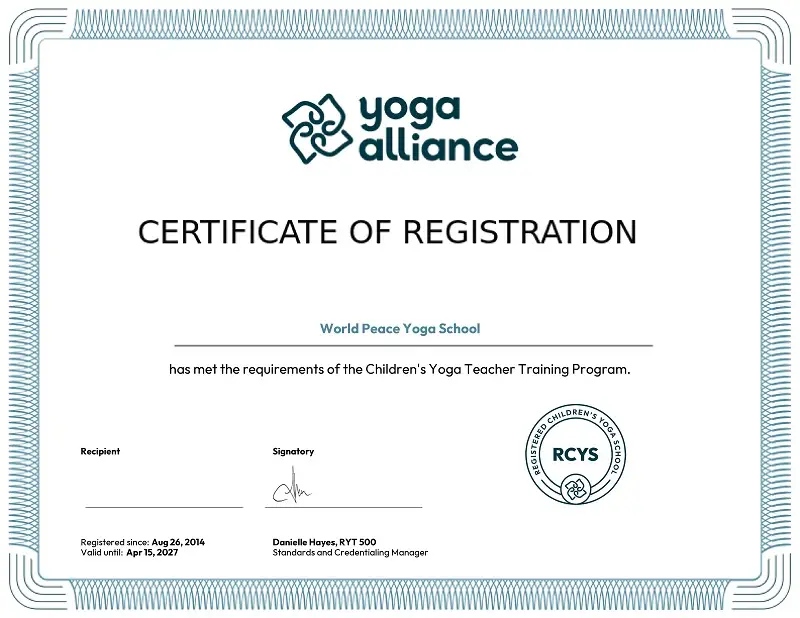
RYT-300 Certification & Yoga Alliance
The benchmark for qualified yoga instructors is certification from Yoga Alliance. Our 300-hour Kundalini Yoga teacher training program is approved by Yoga Alliance, therefore graduates are qualified to sign up with Yoga Alliance as a Registered Yoga Teacher (RYT) at the 300-hour level after completing the course. Potential employers and students may be certain that our graduates have met the high criteria for knowledge, abilities, and teaching competency defined by Yoga Alliance thanks to this certification.
Graduates of our program also obtain the Yoga Alliance certification as well as the RYT 300 certificate, which denotes the completion of a thorough Kundalini Yoga training course. For people who want to develop their own practice or start a profession as a yoga teacher, this certificate is an invaluable certification. The fact that studios, gyms, and other yoga organizations throughout the world accept the RYT 300 certificate speaks volumes about how dedicated and committed our alumni are to practicing and passing on the principles of Kundalini Yoga.
Join Us To
Get a thorough knowledge of the teaching methods, practices, and philosophy of Kundalini Yoga.
Develop a customized routine that enhances your health on all levels — physical, mental, and spiritual.
Get the abilities and information required to teach Kundalini Yoga to others with assurance.
By diligent study, diligent practice, and reflective thought, experience personal transformation and spiritual growth.
Become a part of a global community of Kundalini Yoga students, instructors, and practitioners.
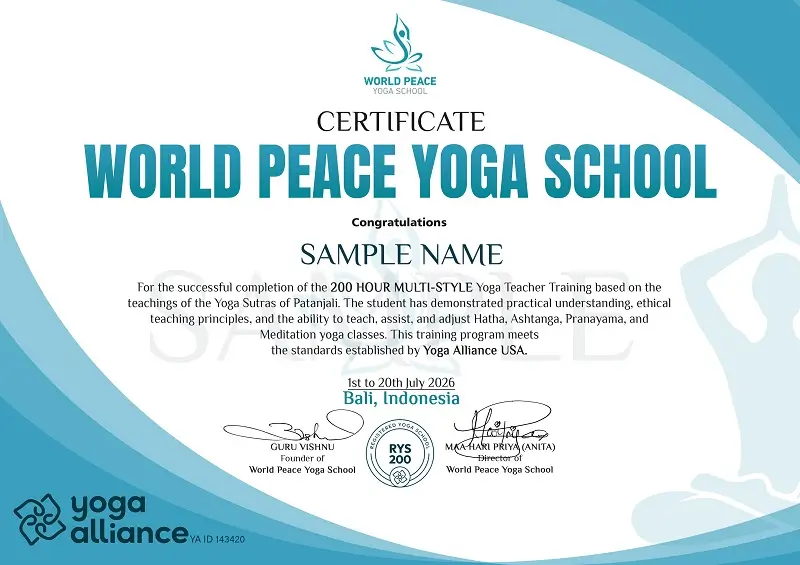
Yoga Alliance Certificate
School Certificate
Challenges Make You Strong And Always Ready To Meet Provocation
300-Hour Kundalini Yoga Teacher Training In Bali, Dates
Next batch — 1st To 26th Aug 2027
Next batch — 1st To 26th Aug 2027
Next batch — 1st To 26th Aug 2027
Next batch — 1st To 26th Aug 2027
Next batch — 1st To 26th Aug 2027
Next batch — 1st To 26th Aug 2027
Next batch — 1st To 26th Aug 2027
Next batch — 1st To 26th Aug 2027
Next batch — 1st To 26th Aug 2027
Next batch — 1st To 26th Aug 2027
Next batch — 1st To 26th Aug 2027
Next batch — 1st To 26th Aug 2027
Next batch — 1st To 26th Aug 2027
Next batch — 1st To 26th Aug 2027
Next batch — 1st To 26th Aug 2027
Next batch — 1st To 26th Aug 2027
Guru Vishnu & Maa HariPriya both organise their time between Rishikesh and Bali depending on their schedules.
Final classes on the 25th | Students to check out on 26th 10:00 AM
Be Satisfied In Yourself Alone
Accommodation, Food & Inclusion/Exclusion
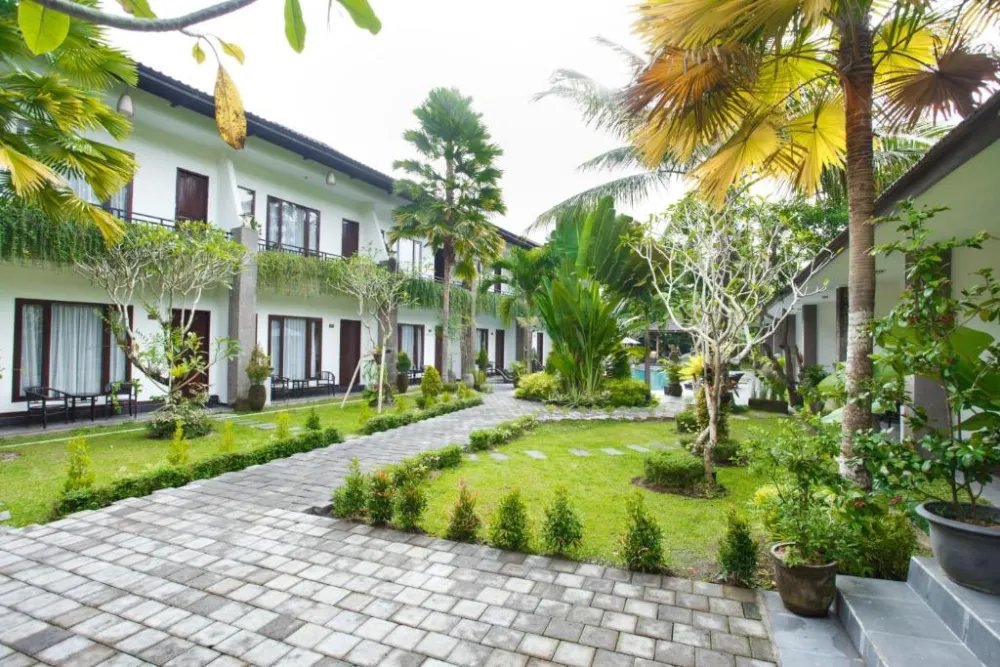
Location Bisma Sari
Accommodation
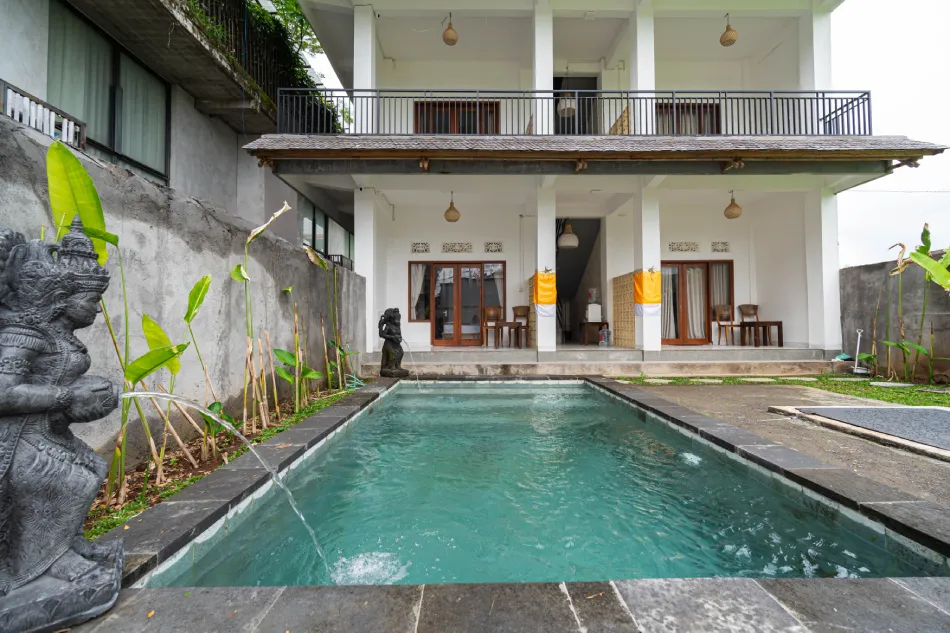
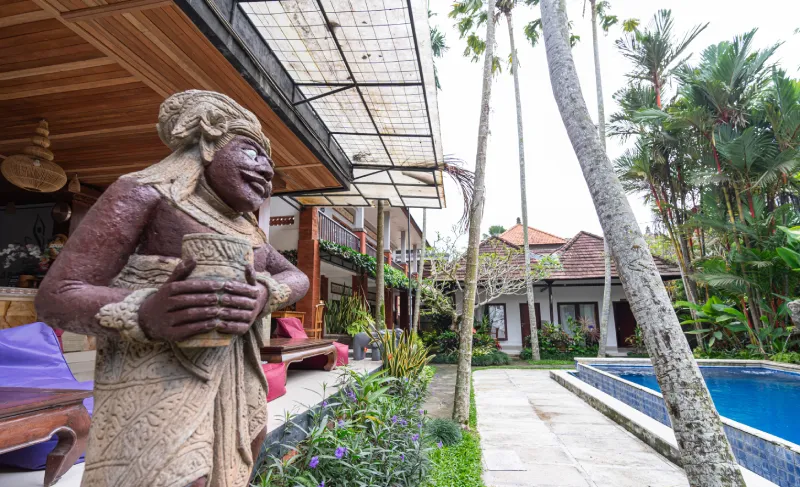
Throughout the 300-hour Kundalini Yoga teacher training program, our yoga school offers accessible and pleasant housing alternatives for students. Our accommodations, which include alternatives like shared dorm rooms and individual rooms, are made to encourage a healthy and leisurely lifestyle. All of the rooms include cosy mattresses, fans or air conditioning, and closets for storing personal items.
All the facilities and amenities required for a successful and pleasurable training experience are readily available to students. The site has a dining hall, meditation room, outdoor practice area, and yoga studio with all the necessary equipment. In addition, our lodgings are situated in quiet, safe areas that offer a calm environment conducive to learning, practising, and personal development.
Throughout the course, we also serve nutritious and tasty vegetarian meals to all students. Our meals are created with fresh, locally sourced ingredients and are tailored to meet the training program’s physical and mental demands. With early notification, students with dietary restrictions or preferences can be accommodated. Overall, our accommodations are intended to promote a healthy and balanced lifestyle while also providing students with a pleasant and inviting home away from home throughout the training course.
Accommodation (Air Conditioner Room)
Daily nutritious vegetarian meals
Outdoor yoga class
Weekend excursions
Yoga material
Kirtan session
Sacred Fire Ceremony
Balinese Culture experience
Towels and bed sheet
Online Pre-recorded preparatory course videos after booking
Women’s herbal beauty, saree wearing, and many more with the help of local ladies
Ayurvedic Panchakarma and Treatment and Healing Sessions / Training
A variety of massages with a discounted price for the students
Visa fee / airfare / taxi pick-up
During Sundays, we serve only breakfast. You can enjoy lunch and dinner outdoors from amazing local restaurants and get to know more about Bali food culture.
What Is Yogic Diet?
A plant-based diet known as a yogic diet places an emphasis on wholesome, naturally occurring foods that are nutritious, easily digestible, and that support physical, mental, and spiritual well-being. This diet is a crucial component of the yoga lifestyle and is said to help the body and mind achieve balance and optimal health.
A yogic diet aids the body’s cleansing and detoxification, assisting in the removal of toxins and waste products that can lead to illness and disease. This is one of the diet’s main advantages. The diet is full of vitamins, minerals, and antioxidants, which enhance general health and vigour, improve digestion, and strengthen the immune system.
A yogic diet is said to assist mental and emotional health in addition to physical health. A plant-based diet is said to increase mental clarity and focus while calming the mind and lowering stress and anxiety. Practitioners of a yogic diet can assist their bodies and minds in reaching more balance and harmony by consuming healthy and easily digestible foods. A comprehensive approach to health and wellbeing should include a yogic diet as it may help practitioners achieve maximum health and vitality in all facets of their lives.
You do not learn anything from anyone unless you are desirous
Prerequisites And Recommended Reading
Prerequisites
Self-motivation.
World Peace Yoga School prohibits the consumption of meat, fish, eggs, black tea, coffee, alcohol, tobacco, and drugs.
Nudity is strictly prohibited.
Recommended Readings Before This Course
All the books including other study materials will be sent after enrolment of the course, and an online 50 hour preparatory course will be given freely.
Patanjali Yoga Sutras By Swami VivekanandaDownload
The Real Guru Is Within You Ready To Help And Guide You
What Can You Do After The Course?
On Your Free Day
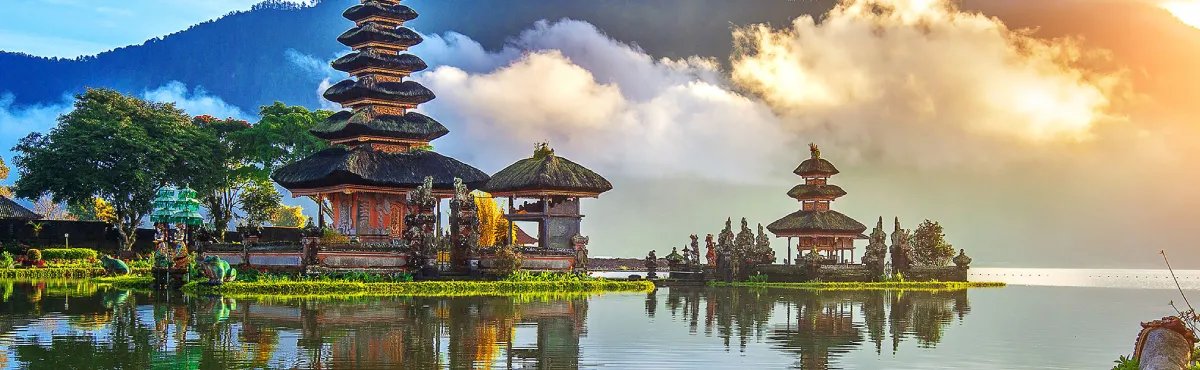
Discover Bali’s breathtaking natural features, such as its beaches, waterfalls, and rice terraces.
Visit temples, ashrams, and regional markets as well as other spiritual and cultural destinations.
Participate in adventurous pursuits like hiking, surfing, or diving.
Visit nearby studios for spa services, massages, or yoga to unwind and revitalize.
Make contact with other yoga practitioners and instructors to exchange stories and insights.
Engage in volunteer work or community service in your local communities or organizations.
In Bali, try the local food and explore your alternatives for eating.
Check out musical, dance, and art exhibits as well as other cultural events and performances.
Journal, meditate, or partake in other types of introspection and reflection.
Spend some time relaxing and taking care of yourself to refuel for the rest of the training.
If You Need To Leave Early
The fees are not refundable.
You can come and join the course at any time.
If you want to leave 2 or 3 days before the course ends, you can apply for it. However, you will still need to complete the course and you should contact us.
If you complete only half the course, the certificate will not be provided. You can complete the course by using our online course facility.
After The Course
Teach Kundalini Yoga classes and workshops
Start a personal yoga practice
Deepen your understanding of yoga philosophy and spirituality
Incorporate Kundalini Yoga techniques into your daily life
Pursue further training in Kundalini Yoga or other yoga styles
Join a supportive community of Kundalini Yoga practitioners and teachers
Organize and lead yoga retreats or events
Share the benefits of Kundalini Yoga with others, promoting health and wellness
Cultivate self-awareness, self-care, and personal growth through regular practice
Explore different avenues of self-expression and creativity through the practice of Kundalini Yoga
Frequently Asked Questions About 300-Hour Kundalini YTTC In Bali
Kundalini Yoga aims to awaken the Kundalini energy, which is asleep at the base of the spine. It is said that this energy is the life force that animates all living things. In order to awaken and transport this energy up through the chakras, or energy centers, of the body, Kundalini Yoga practitioners employ a mix of physical postures, breathing methods, meditation, and chanting.
Participants are expected to have completed a 200-hour Yoga Teacher Training course before enrolling in a 300-hour Kundalini Yoga Teacher Training Course. This is because the 300-hour course builds upon the foundational knowledge and skills covered in the 200-hour course.
A 300-hour Kundalini Yoga Teacher Training Course is likely to include a rigorous daily program that includes extensive hours of study, practice, and self-reflection. Yoga practice, meditation, lectures, workshops, and free time for introspection and self-reflection may all be part of a normal day in a 300-hour Kundalini Yoga Teacher Training Course.
Yes, accommodation in shared or private rooms is included in the course fees.
The group size may affect the standard of training and the degree of individualized care given to each participant. The number of students fluctuates between 30 and 40 to allow for more individualized education, as well as more chances for one-on-one feedback and coaching, in smaller groups.
Yoga teachers who have finished a training program that satisfies the organization’s requirements for curriculum, staff, and facilities are given the Yoga Alliance certification. A teacher training program must incorporate a minimum number of hours of study in yoga philosophy, anatomy and physiology, teaching technique, and practicum to qualify for Yoga Alliance certification.
Throughout a 300-hour Kundalini Yoga Teacher Training Course, vegetarian cuisine is frequently served. A vegetarian or vegan diet is encouraged by many Kundalini Yoga schools as a method to enhance yoga practice and advance health and well-being.
Yes, you may become a Kundalini Yoga teacher after finishing a 300-hour teacher training program. This course offers extra instruction in advanced practices, philosophy, and teaching approaches in addition to building on the fundamental information and abilities acquired in a 200-hour Kundalini Yoga Teacher Training Course. It’s crucial to keep in mind, nevertheless, that after finishing a training course, aspiring yoga teachers must continue their practice, education, and commitment.
Please inform the trainers in advance and arrange to make up the missed class or session as soon as possible.
Please bring comfortable yoga clothes, a yoga mat, a water bottle, a journal, and any personal items you need for a month-long stay in Bali. You can also buy these products from the local market.
Always Remember You Are The Whole
Rules & Refund Policy Of World Peace Yoga School
Being a reputable yoga school, we have a few guidelines that we require our trainees to adhere to preserve a secure and peaceful learning environment. Some of the key guidelines that we want our students to abide by are listed below:
All training sessions, including courses, workshops, and activities, need regular attendance.
Respect for their instructors, other students, and the yoga school staff is something we demand of our students.
The daily plan, which includes lunch times, yoga sessions, and other activities, is expected of the students.
We strictly prohibit the use of alcohol and drugs during training.
Students are expected to maintain personal hygiene and keep their living quarters tidy.
On the grounds of the yoga school, smoking is not allowed.
All information and talks throughout the course are to be kept private, according to the students.
During training, visitors are not permitted on the school’s grounds.
Pets are not permitted on the school grounds when students are in training.
As a yoga school, we anticipate that our students will uphold yoga ethics, which include non-violence, honesty, and self-discipline.
World Peace Yoga School instructs every student to be aware of the following policy guidelines for students:
Attendance Policy: Throughout the course, students are obliged to attend all lessons, lectures, and workshops. The course instructors have the authority to permit absences for a short period in cases of emergencies. However, any missed lessons or assignments must be made up by the pupils. Every day’s attendance will be tracked, and to pass the course, students must maintain a minimum of 90% attendance.
Anti-Retaliation Policy: Students are subject to a stringent no-retaliation policy at our institution. Any student may inform the professors teaching the course or the administration if they experience prejudice or retribution. We swiftly look into any such concerns and treat them seriously. We make sure that no student faces punishment or reprisal for reporting a case of discrimination or retaliation.
Anti-Harassment Policy: All of our students will get a safe and respectful learning environment from us. Any sort of harassment, including sexual harassment, is prohibited by our school. Any student who is found to violate this rule shall be subject to immediate disciplinary action, up to and including course expulsion. Any allegations of harassment will be quickly and discreetly looked into.
We can not provide refunds for the students’ upfront payment.
Students have the option to transfer their tuition to another course or postpone their current course.
Students may apply their tuition to another course if the school cancels.
A student may ask for a fee transfer to another course or session if they must drop their enrolment due to unavoidable circumstances.
The advanced fee cannot be transferred to someone else.
The fee transfer or rescheduling request must be submitted at least 30 days before the commencement of the course.
If there are seats available in the requested course or session, the fee may be rescheduled or transferred.
The fee will not be reimbursed or applied to another course or session if a student misses a class or session.
Students who wish to postpone or transfer their fee must contact the school in writing.
The school retains the right to change the refund policy whenever it sees fit.
My experience was very professional, and it was very easy to work with the team here. The teachers made every class feel personal.
AAmy FowlesGoogle
Posted on Google
1 month ago
The 200 hour course changed how I understand yoga completely. Philosophy classes with Guru ji were the real highlight for me.
MMarco FerrariGoogle
Posted on Google
2 months ago
I did the 300 hour here after my 200 elsewhere, and the difference in depth is huge. Kundalini sessions were unforgettable.
LLucia MorenoGoogle
Posted on Google
2 months ago
Small groups, personal attention and a schedule that leaves room to absorb what you learn. The sunrise trip was magical.
DDaniel BrooksGoogle
Posted on Google
3 months ago
Every teacher here is deeply rooted in the tradition. I arrived as a nervous beginner and graduated feeling confident to teach.
EEmma LarsenGoogle
Posted on Google
3 months ago
Authentic Himalayan tradition, not a watered down tourist course. The anatomy classes alone were worth the trip.
JJulien RousseauGoogle
Posted on Google
5 months ago
Guru ji has a way of explaining philosophy that finally made the sutras click for me. Highly recommend the 500 hour path.
TTom AlvarezGoogle
Posted on Google
5 months ago
Warm community, serious teaching and a stunning setting. Six weeks here reset something in me that no holiday ever has.
NNadia HaddadGoogle
Posted on Google
Plan your arrival
How To Reach World Peace Yoga School In Bali
We are on Jl. Bisma in Ubud, Bali — pick the route that suits your arrival.
Your countryDenpasar (DPS)
Fly To Denpasar
Fly into Ngurah Rai International Airport (DPS) in Denpasar — the only international airport in Bali. Ubud is about an hour and a half away by road.
TransferPickup on request
Anywhere in BaliJl. Bisma, Ubud
Taxi Or Scooter
From anywhere on the island take a taxi, a Grab or Gojek ride, or a scooter to Jl. Bisma in Ubud. We are at No 77 A, a short walk from the centre of town.









 Next batch — 1st To 26th Aug 2027