500-Hour Kundalini Yoga Teacher Training In Bali, Indonesia
With a range of Kundalini Tantra techniques, you may connect with your boundless potential, power, and unconditional love.
Are you a passionate yogi seeking to expand your knowledge, skills, and experience in the transformative path of Kundalini Yoga? Are you looking for a comprehensive and authentic teacher training program that combines traditional wisdom and contemporary insights, personal growth and professional development, and inner exploration and outer service? If so, you might be interested in our 500-hour Kundalini Yoga Teacher Training in Bali, which offers a unique approach to deepen your practice and teachings in a supportive and inspiring environment.
The 500-hour Kundalini Yoga TTC (Teacher Training Course) is an advanced training course designed to deepen your understanding and practice of Kundalini Yoga. This comprehensive course covers various aspects of yoga, including asanas, pranayama, mantra chanting, meditation, anatomy, alignment, modifications, and philosophy. The course consists of both theoretical and practical sessions. Students are expected to complete assignments and take part in group discussions to enhance their learning.
They will also receive training in teaching methodology and gain hands-on experience in teaching Kundalini Yoga to others. This practical experience is essential for each yoga student to develop their teaching skills and confidence as yoga instructors. The 500-hour Kundalini Yoga Course is designed for students who are beginners or professionals. Upon completion of the 500-hour Kundalini Yoga TTC, students will be certified to teach Kundalini Yoga and will be equipped with the knowledge and skills to guide students in advanced practices of Kundalini Yoga. Students will also be eligible to register with Yoga Alliance as Registered Yoga Teachers.
We can guide students safely and effectively through asanas and other practices regardless of their background. Our teachers are skilled at creating a calm and supportive environment that allows students to connect with their inner selves and experience the transformative power of yoga. Additionally, our teachers embody the principles of yoga in their personal lives along with technical knowledge and teaching skills. They strive to live a balanced, healthy lifestyle and cultivate qualities such as compassion, kindness, and humility. By doing so, they serve as role models for their students and inspire them to integrate the teachings of yoga into their own lives.
If you are ready to take your practice and teaching skills to the next level, join us for our 500-Hour Kundalini Yoga Teacher Training Course in Bali. We are offering a life-changing opportunity to deepen your yoga practice, gain valuable teaching skills, and experience the beauty of Bali.
Kundalini Chakras and Activation
Kundalini is a Sanskrit term that refers to the spiritual energy that is said to lead to higher levels of consciousness and spiritual enlightenment. Chakras are the energy centers in the human body. There are a total of seven major chakras in the human body, and each is associated with a different color and has a different function.
The 1st Kundalini chakra is said to be located at the base of the spine. When this chakra is activated, the Kundalini energy is said to rise through the chakras, bringing about spiritual awakening and transformation. The activation of the Kundalini chakra can occur spontaneously or through specific practices such as yoga, meditation, and breathing exercises. Awakening the Kundalini energy is a powerful experience that should be approached under the guidance of a qualified spiritual teacher or practitioner available at World Peace Yoga School.
The first module or a 200-hour yoga certification course ends in 20 days. After that, there is a 10-day gap to relax your mind and body. Then, the second module starts in the next month. In short, there is a 10-day gap between both modules. During this period, we do not provide accommodation and food for students. You can use this time to explore Bali and learn more about Balinese culture. You can book our short yoga courses if you want to stay on the ashram campus. We offer these short courses: Yin Yoga Teacher Training Course, Aerial Yoga Teacher Training Course, Kids Yoga Teacher Training Course, Pre-Natal Yoga Teacher Training Course.
Kundalini Yoga Traditions Followed At World Peace Yoga School
World Peace Yoga School follows kundalini tantra and yoga traditions. These are the two important traditions that involve the awakening of the Kundalini energy in any human body. Kundalini yoga is a form of yoga that incorporates meditation, asana, breathing techniques, and mantra chanting to awaken the Kundalini energy and move it up through the chakras. Kundalini Tantra, on the other hand, is a form of Tantra that uses meditation, visualization, and ritual to awaken and harness the Kundalini energy for spiritual and personal growth.
The practice of Kundalini yoga and Kundalini Tantra can be beneficial for students because it offers a unique approach to spiritual and physical development. The awakening of the Kundalini brings a range of benefits, including healthier life, heightened awareness, increased creativity, improved physical health, and greater spiritual connection. We also offer a holistic approach to yoga that incorporates the physical, mental, and spiritual aspects of the practice. This can help students develop a deeper understanding of themselves and their connection to the world around them.
500 hour YTTC exclusive – now includes:
50 hour Yin Yoga – learn to come into being
Note: 2 certificates are gained to increase your knowledge and deepen your practice. These 2 certificates are all approved for Yoga Alliance registration.
Know The Chakras
Seven Chakras In Kundalini Yoga
Kundalini chakras are the seven major energy centers in the human body, according to Kundalini Yoga and Tantra traditions. Each chakra is associated with a different color, element, and area of the body, and is believed to be responsible for regulating physical, emotional, and spiritual well-being.
There are several ways to awaken each chakra, including yoga postures, meditation, visualization, chanting, and pranayama (breathing exercises). The best way to awaken each chakra may vary depending on the individual’s needs and level of practice. It is recommended to work with a qualified teacher or practitioner who can guide you through the practice and ensure your safety and well-being. Have a look at seven chakras:
01
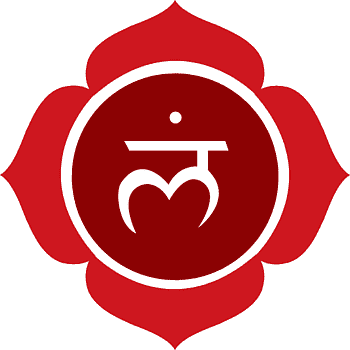
01 Root Chakra
Muladhara
The Muladhara chakra is considered to be the foundation for the Kundalini energy and is therefore an important chakra in the awakening process. Kundalini awakening starts at the Muladhara chakra, and as the energy rises through the other chakras, it leads to greater spiritual awareness and awakening. The chakra is also associated with the qualities of grounding, stability, and security. When this chakra is balanced and functioning properly, it helps us feel rooted and grounded in our physical body and the present moment. It helps us feel secure and stable in our relationships and our material and financial situations.
02
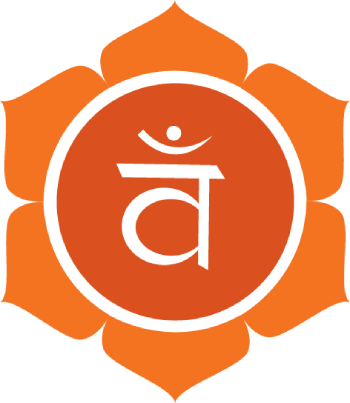
02 Sacral Chakra
Swadhisthana
The Swadhisthana chakra is considered to be the center of creativity, sensuality, and pleasure. It is also associated with emotional balance, flexibility, and adaptability. When this chakra is balanced and functioning properly, it helps us to experience joy, pleasure, and passion in our lives. It is important because it plays a key role in our ability to connect with our emotions and healthily express them. When this chakra is blocked or unbalanced, it can lead to a range of emotional and physical issues, including depression, anxiety, sexual dysfunction, and addiction.
03
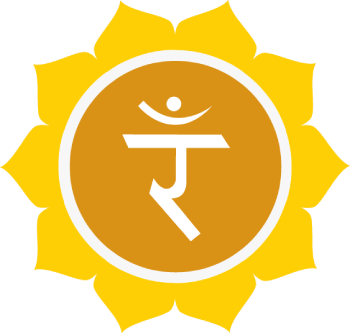
03 Solar Plexus Chakra
Manipura
The Manipura chakra is the center of willpower, physical power, and self-esteem. It is also associated with metabolism, digestion, and energy levels. When this chakra is balanced and functioning properly, it helps us to feel motivated, confident, and empowered. The Manipura chakra is important because it plays a key role in our ability to take action and manifest our goals or desires. When Manipura is blocked or unbalanced, it can lead to a range of physical or emotional issues, including lack of motivation, low self-esteem, digestive problems, and fatigue.
04
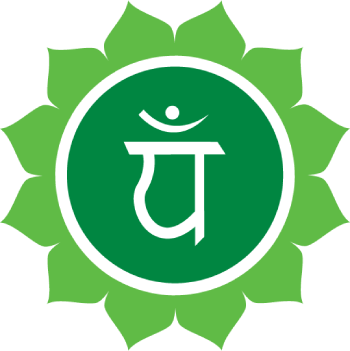
04 Heart Chakra
Anahata
It is an important chakra as it plays a key role in our ability to give and receive love, form meaningful relationships with others, and experience joy and gratitude in our lives. When this chakra is blocked or unbalanced, it can lead to a range of respiratory, emotional, and physical issues such as heart problems, depression, loneliness, etc. By cultivating emotions, compassion, and love through the practices of Kundalini Yoga, we can open our hearts and experience greater joy and connection in our lives.
05
05 Throat Chakra
Vishuddhi
The Throat Chakra, or Vishuddha, is the fifth chakra in the Kundalini Yoga system. It is situated in the middle of the neck and connected to the sense of hearing, the ether element, and the color blue. According to traditional beliefs, the Vishuddha chakra is the seat of creativity, self-expression, and communication. It is a significant chakra since it is essential to our capacity for genuine expression and good interpersonal communication. We may reach our full potential and live our lives to the fullest by practicing Kundalini Yoga, which fosters communication, self-expression, and creativity.
06
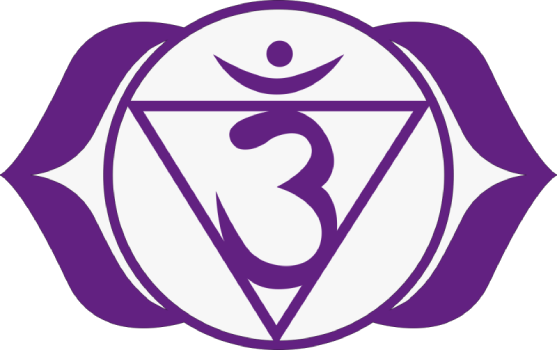
06 Third Eye Chakra
Ajna
According to yogis, it is the sixth chakra located in the middle of the forehead and is linked to the element of light and intuition. The Ajna chakra is thought to be the seat of the intuition, inner knowledge, and spiritual insight. It is a significant chakra because it is essential to our capacity to enter into levels of higher awareness and communicate with our inner selves. Confusion, headaches, and loss of focus are just a few of the emotional and physical problems that can result from this chakra being blocked or out of balance.
07
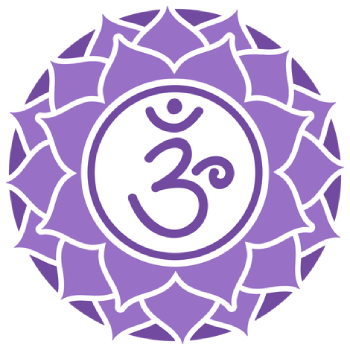
07 Crown Chakra
Sahasrara
Sahasrara is referred to as the Crown Chakra. It is found near the top of the skull and is linked to the cosmic element and a feeling of unity. The Sahasrara chakra is regarded as the seat of connection, divine wisdom, and enlightenment to the spiritual world. Being a symbol of the greatest state of awareness and the culmination of spiritual work, it is a significant chakra. A variety of emotional and physical problems like a sensation of spiritual emptiness and a sense of being cut off from the divine can arise when it is out of balance or blocked.
Nothing From Outside Can Fulfil You But Yourself, Happiness Is Within
500-Hour Kundalini Yoga TTC From World Peace Yoga School
Our 500-hour kundalini YTTC in Bali is led by experienced and certified Kundalini Yoga teachers from different parts of the world, who bring a rich blend of traditional and modern yoga forms, perspectives, and practices to the kundalini yoga course in Bali. They are committed to providing an empowering learning environment, where you can deepen your understanding of Kundalini Yoga, explore your unique challenges, and receive personalized feedback.
This training covers a wide range of topics and skills related to Kundalini Yoga, including asana, meditation, pranayama, philosophy, mantra chanting, anatomy, physiology, teaching methodology, ethics, and personal development. The curriculum is based on the guidelines from Yoga Alliance and is designed to be coherent and interconnected so that you can integrate the various components of the training into an authentic teaching style.
You will have ample opportunities to practice and apply what you learn from World Peace Yoga School in a supportive and immersive environment. You will also be encouraged to reflect on your experiences, share your insights and challenges with your teachers, and receive feedback. This approach is intended to help you cultivate your intuition, deepen your awareness, and develop a unique teaching style, and presence as a teacher.
During this training, you will have the chance to connect with like-minded and heart-centered individuals from different cultures and to engage in activities that benefit the local community and the world. You will also have the opportunity to apply your skills and knowledge in real-life, such as teaching classes and organizing events.
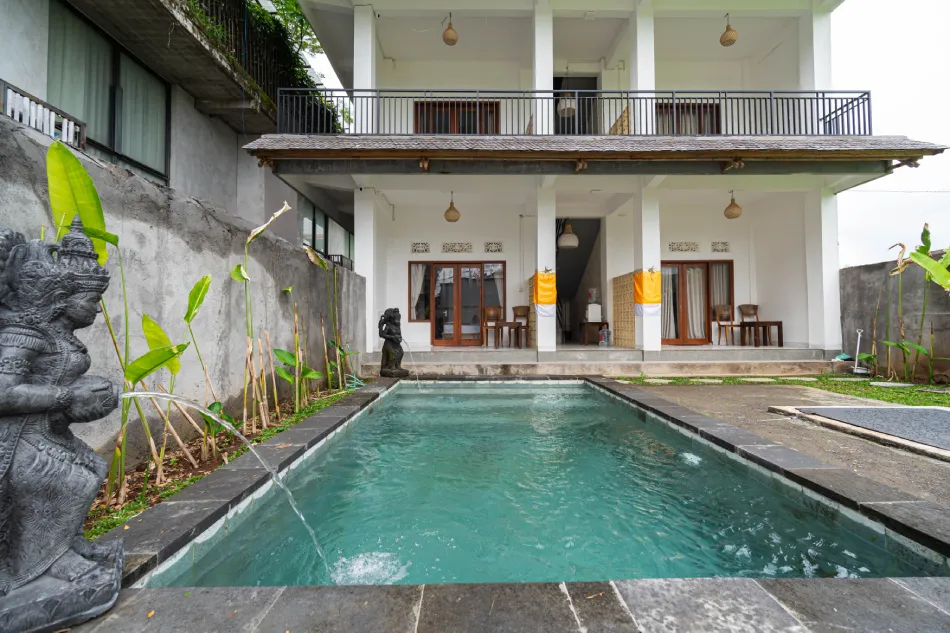
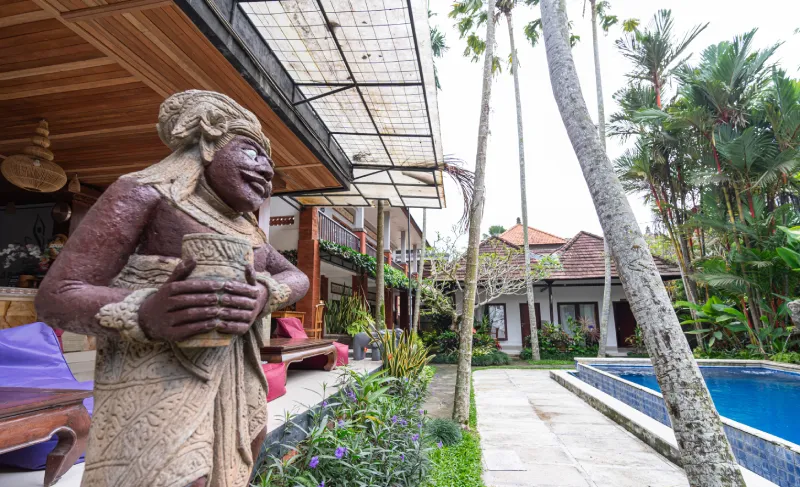
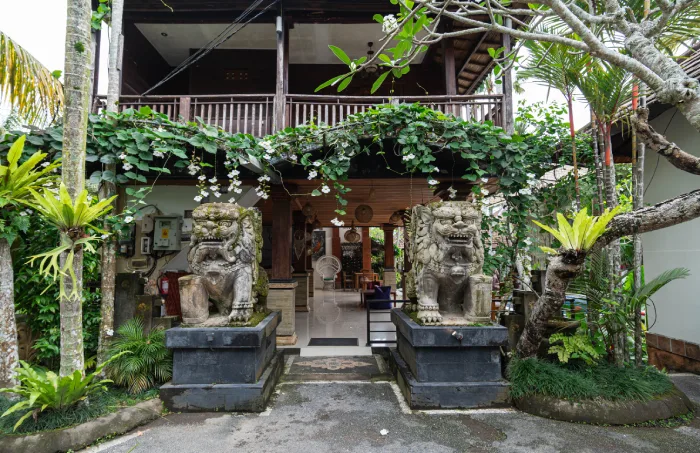
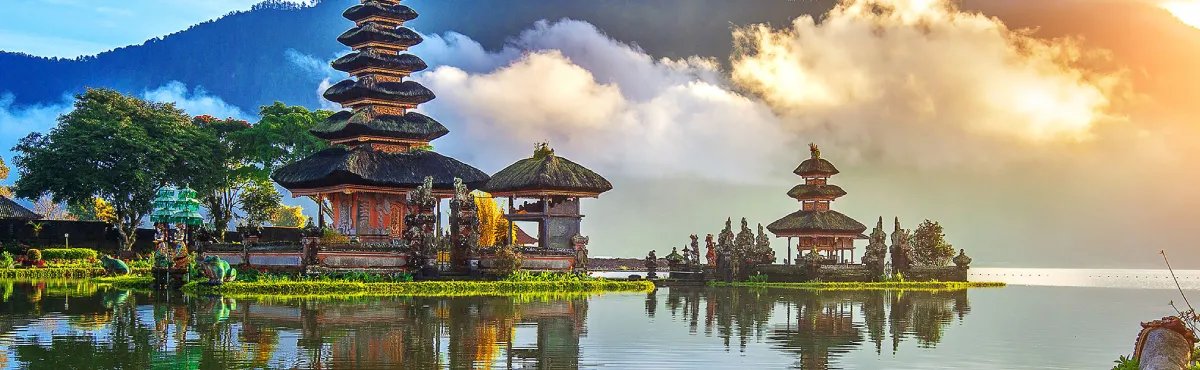
Our program will take place in Bali, one of the world’s most beautiful and fascinating islands noted for its natural beauty, rich culture, and spiritual legacy. Our training will take place in a tranquil and pleasant retreat facility surrounded by beautiful flora, rice paddies, and ancient temples, but also equipped with contemporary amenities such as a swimming pool, yoga shala, and library. There will be several opportunities to tour the island, learn about its culture and customs, and interact with its people and wildlife.
We feel that our teaching has certain distinct advantages that make it ideal for people looking for a transforming and gratifying experience. We are dedicated to preserving Kundalini Yoga’s originality and purity. We adhere to the International Kundalini Yoga Teachers Association’s code of ethics and professional behavior, and we highlight the significance of honoring the roots and tradition of Kundalini Yoga.
The course is divided into two parts: the first part is a 200-hour Kundalini Yoga teacher training course, which covers the basics and fundamentals of Kundalini Yoga and leads to the certification of a Registered Yoga Teacher (RYT) with Yoga Alliance. The second part is a 300-hour advanced Kundalini Yoga teacher training course, which deepens the understanding and application of Kundalini Yoga, and leads to the certification of a 500-hour Registered Yoga Teacher (RYT) with Yoga Alliance. The course can be taken as a whole or in parts, depending on the student’s needs and schedule.
The Kundalini chakra can awaken on its own or as a result of specialized activities like yoga, meditation, and breathing techniques. It is crucial to remember that the Kundalini energy awakening may be a potent experience that should be handled carefully and under the supervision of a trained spiritual teacher or practitioner. For yogis who desire to improve their practice and teachings of Kundalini Yoga, get certified as professional Kundalini Yoga teachers, and experience the beauty and culture of Bali, the 500-hour Kundalini Yoga teacher training course in Bali is a special and significant opportunity.
Brief Overview Of What You Will Learn?
The 500-hour Kundalini Yoga training course will provide students with a thorough education in Kundalini Yoga and will equip them with the skills necessary to teach Kundalini Yoga sessions with assurance once they’ve finished.
Mantras, chanting, and mudras in Kundalini Yoga
Sacred geometry and mandalas in Kundalini Yoga
Kundalini Yoga lifestyle and diet recommendations
Personal development and self-awareness practices
Kundalini Yoga philosophy, mythology, and symbolism
Healing and therapeutic applications of Kundalini Yoga
Service-oriented and community projects for social impact
Business and ethics of yoga teaching and entrepreneurship
Kundalini Yoga asanas, pranayama, and meditation techniques
Advanced techniques for Kundalini Yoga practice and teaching
Use of sound and music in Kundalini Yoga practice and teaching
Teaching practicum and feedback for real-life teaching experience
Anatomy and physiology of the human body and its energy systems
Teaching methodology and communication skills for effective teaching
Kundalini Yoga for specific populations, such as children, seniors, and pregnant women
Why Is Our School Special?
Why Choose World Peace Yoga School For Yoga
Know Why World Peace Yoga School?
World Peace Yoga School is a standout option for a Kundalini Yoga training program. We work hard to deliver a top-notch, thorough curriculum that equips learners to teach Kundalini Yoga with competence and assurance while encouraging personal development and change in a welcoming atmosphere.
Yoga Alliance certified yoga school in Bali.
We have experienced and certified Kundalini Yoga teachers to bring diverse perspectives.
The curriculum includes all the skills related to Kundalini Yoga.
Our approach to learning is experiential and transformational, focusing on inner exploration.
Providing opportunities for personal and professional development.
The campus is surrounded by lush vegetation, rice paddies, and traditional temples, and is equipped with modern facilities.
We welcome and respect people from all backgrounds, cultures, religions, genders, and ages.
Creating a diverse and inclusive learning environment.
Our program provides ongoing support and mentoring for graduates.
We offer affordable and flexible payment options.
Why 500 Kundalini YTTC With World Peace Yoga School?
Modern teaching methods are integrated with traditional Kundalini Yoga techniques.
Priority is given to both career success and personal transformation.
An analysis of the physics behind Kundalini Yoga and how it affects the body, mind, and soul.
The learning process is improved by the use of technology and online resources.
For total health and well-being, ayurvedic principles and techniques are applied.
The focus should be on inclusiveness and accessibility with adjustments for students with varied abilities and needs.
Our Karma Yoga program offers chances to get involved in the community and give back.
Include seminars and guest lectures to expand your knowledge and skills.
The supportive and caring learning atmosphere promotes personal transformation and progress.
Commitment to the highest moral and academic standards in yoga training.
Why Are We Different?
We are known for our unique fusion of contemporary teaching methods and old Kundalini Yoga techniques.
Our commitment is to provide an in-depth education in all facets of Kundalini Yoga, including philosophy, anatomy, and teaching techniques.
We put a lot of emphasis on spiritual development and personal improvement in addition to professional development.
We place a strong focus on inclusivity and accessibility, making adjustments for students with a range of needs and abilities.
Our welcoming and caring learning environment fosters change and personal growth.
23 Years of Remarkable Achievement of World Peace Yoga School
30,000+Trained Yoga TeachersEmpowering teachers for a better world
4.8Average RatingLoved by students worldwide
23+Years of ExperienceA legacy of trust and excellence
120+CountriesA global community of peace and wellness
4.8/5
Rated by our students on
Google | TripAdvisor | Trustpilot | Yoga Alliance | Facebook
The Highest Value Of Life Is To Love Yourself First
Curriculum For 500-Hour Kundalini Yoga Teacher Training Course
Mantra & Mantra Chanting
Mantra
Mantra is a set of words that consist of specific sounds, vibrations received by ancient yogis, and seers which offer a powerful physical, mental and spiritual benefit. There are many kinds of Mantras available for different purposes. You will be learning;
Art and science of Mantra
Mantra and its power
How mantra is made
Is mantra a religion
Sound vibration
Mantra Chanting
The proper way of chanting the Om Mantra
Shiva Mantra for Peace
Durga Mantra for Energy Awakening
Kundalini Mantra
Krishna Mantra for Joy
Ganesha Mantra for Stillness and Removal of Obstacles
Mantra to be led towards light and immortality (Asatoma)
Surrender Mantra (Twamevamata)
Mantra to Save Life and Journey (Trayamvakam)
Mantra for Purification of the Mind (Gayatri)
Guru Disciple Study Mantra (Sahana)
Guru Mantra (Guru brahma)
Patanjali Mantra (Yogenacittasya)
Suryanamaskar 12 Mantra (omMitraya)
Kundalini Yoga Asana
Bhujangasana (Cobra pose- to the awake heart chakra)
Prarthanasana (The prayer pose -to have reverence)
Padahastasana (The standing forward bend - to awake Muladhara Chakra)
Tadasana (The Tree Pose - for nourishing our spiritual aspiration)
Trikonasana (The Triangle pose)
Sahaja Agnisar Dhauti (Awakening inner fire - in Manipura Chakra)
Vajrasana (Thunderbolt pose -to cleanse Vajra Nadi to promote ascendance of the sexual energy towards upper chakras)
Shalabhasana (The Locust pose –Increases the blood supply to the sacrum and lower back)
Dhanurasana (The Bow pose – remove constipation and improve digestion)
Ardha Matsyendrasana (The Lord of the Fishes Pose)
Uddiyana Bandha (Upward flying lock)
Paschimottanasana (The back stretching pose)
Janushirshasana (The head to knee pose- eliminate laziness and weakness)
Ushtrasana (The Camel Pose-arousing Manipura chakra)
Naukasana (The boat pose – alleviates anxiety and nervousness)
Supta Vajrasana (The Reclining Thunderbolt pose – guides the sexual energy through Vajra Nadi towards the brain)
Garudasana (The Eagle pose – improve balance and co-ordination)
Nauli Kriya (The Navel Cleansing- Balance the three senses of humor of the body Kapha-Vata-pitta)
Ardha Shirshasana (Half headstand- rejuvenate the brain cells)
Shashankasana (The Hare pose – remove stress, arrogance, selfishness, and anger)
Pavanamuktasana (Massages the internal organ and decongests the liver and sexual organs)
Kundalini Asthi Granthi Kriya (Joints Movements)
Warm-up Exercises
Feet and ankle exercises
Knee movement
Hip movement and rotation
Leg cradle
Side bending
Arms movement
Arm swing
Elbow movement
Wrist and hand movement
Neck exercises
Chin, jaw, mouth, tongue, eye, and head exercises
Kriya Yoga Practices For Kundalini Awakening
Rules and Preparation
Postures
Chakra Sadhana
Practices to awaken Ajna Chakra
Practices to awake Mooladhar Chakra
Practices to awake Swadhisthan Chakra
Practices to awake Manipura Chakra
Practices to awake Anahata Chakra
Practices to awake Vishuddhi Chakra
Practices to awake Bindu
Practices for Chakra Awareness
Moola Shakti Bandha (Root Energy Lock)
Uddiyana Shakti Bandha (Abdomen Energy Lock)
Jalandhar Shakti Bandha (Throat Energy Lock)
Maha Shakti Bandha (Great Energy Lock)
Hatha Yoga
World Peace Yoga School teaches the traditional ancient style of Hatha Yoga that has been practiced by the Himalayan Masters for thousands of years. At our school, you practice according to your strength and flexibility. The main purpose is to attain perfect health and peace of mind. Here is the list of asana series that will be practiced;
Pavan Muktasana series 1 (15 practices)
Pavan Muktasana series – 2 (10 practices)
Pavan muktasana series - 3(10 practices)
Centering postures series(5 practices)
Surya Namaskar (12 asana series)
Chandra Namaskar (12 Asana Series)
Standing postures series(10 practices)
Kneeling postures series(5 practices)
Sitting Postures series(10 practices)
Forward bending postures series(5 practices)
Backward bending postures series(5 practices)
Supine postures series(6 practices)
Prone Postures series (5 practices)
Fire Series series(5 practices)
Inversions series(5 practices)
Twisting postures series(5 practices)
Balancing Postures series(5 practices)
Relaxing Posture series(5 practices)
Meditative Asana Series(5 practices)
In total, you will learn 140 Yoga Exercises
The theory is just as important as practicing. Without proper understanding, you cannot do well. Our teachers will teach a base of understanding why, how, when, and what you need to do in an asana class. You must be self-motivated to go deeper into the postures. Here are the some of the theories you will be learning;
Philosophy of Hatha Yoga
Ancient Scriptures of Hatha Yoga
Aim and Objectives of Hatha Yoga
Yoga as a Therapy
Yoga as Balancing
How Hatha Yoga Is Connected to Your Chakras, Nadis, Kundalini, and Your Subtle Body
Pranayama (Breathing Practices)
Pranayama is the central practice in traditional yoga. Many people misunderstand Pranayama as the breathing practice only, but it is something more. In this class you will learn the secret of pranayama and how it leads us to health, peace, happiness, balance and awakening of kundalini.
Every week will lead to a different state of experience.
Building strength in your system and a step by step understanding of Pranayama.
Move towards from beginning to a deeper understanding of Pranayama and practices.
Move towards advancing the practices with holding the breath and breathing with chakra awareness.
Practice teaching and move towards mastery of the breath.
Here are the topics you will be learning for study of Pranayama:
What is Prana
What is Pranayama
What is breath and connection with the Prana
Importance and benefits of Pranayama
How to prepare ourselves to practice them
Aspects of Breathing
Ancients Texts of Breathing
General understanding
Understand all about nostrils & how to activate them
Secrets of Pranayama
Breath flow in 5 elements
Unit of Prana
Function of Prana
Three levels of Prana
Three Gunas
How does prana flow
Quality of breath
Imbalance of Prana
Retention of breath
6 Sitting positions for Pranayama practices
Breathing pattern
Prana connection with chakras and Kundalini
Beginners and Intermediate Practices
Clavicular Pranayama
Thoracic Pranayama
Diaphragmatic Pranayama
Yogic Pranayama
Pranava Pranayama
Nadisodhanam Pranayama
Bhastrika Pranayama
Kapalbhati Pranayama
Bhramari Pranayama
Ujjayi Pranayama
Sitli Pranayama
Sitkari Pranayama
Murcha Pranayama
Surya bhedi Pranayama
Chandra bhedi Pranayama
Meditation (Dhyana)
Once you stabilize your posture through Asana, cleanse your energy through Pranayama, and control your senses through Pratyahara you will be able to focus your mind. Meditation starts with concentration practices and with our 200-hour YTTC, you will learn great techniques to master the basics by which you can develop a high-level concentration and awareness.
With this 20 days program, you will learn basic to intermediate levels of meditation preparations and techniques. Each day you will get a little more understanding of how to perform them and experience their benefits.
Developing Foundation
Developing one-pointed focus, different types of concentration techniques, and visualization exercises
Meditation Techniques
Chakra Awareness and Kundalini Meditation
Here is the list of what you will be learning:-
Introduction to Meditation
History of Meditation
Preparation to Meditation
What is Meditation and what it is not
Why- How- Where- When Meditation
Philosophy of Meditation
Meditation Traditions
Meditation Scriptures
Aim and Objectives of Meditation
Sitting Positions
How to Sit Correctly
Preliminary Practices Before Practicing Meditation
Role of Diaphragmatic Breathing in Meditation
Correct Breathing in Meditation
How to Relax in Meditation
Lifestyle- Diet- Sleep- Sex- Job- Rules in Meditation
Styles of Meditation PracticesHimalayan Meditation Practices
Basics Foundation Meditation Practice
Breath- Mind- Mantra Awareness
Tratak Meditation
Nada Meditation Practices
Music Meditation
Om Meditation
Mantra Power Meditation
Active Meditation Practices
Dynamic Moving Meditation (Osho)
Buddha Walking Meditation
Karma Yoga Meditation
Gaurishankar Meditation
Tantra & Kundalini Meditation Practices
7 Chakra Awareness Meditation
Ajna Chakra Awakening Meditation
Kundalini Active Meditation
Vipassana & Passive Meditation Practices
Breath Awareness (Anapana)
Mindfulness and Sensation
Total Awareness Practice
Mantra & Kirtan Meditation Practices
How to Do Japa (recitation)
Kirtan Even and Creating a Spiritual Vibe
Silence Practice
One Day Silence Meditation
Yoga Nidra (Psychic Sleep)
Yoga Nidra (sleep awareness/ psychic sleep) is a journey from a conscious to a superconscious state of awareness. All animals, birds, insects, and humans sleep in the same way, and the experience of sleep also is the same. This state brings oneness and there is a great secret behind all of it. Yogi Vishnu is one of the most famous Yoga Nidra teachers. His proven techniques have been practiced for a long time by our sages. He will be the mentor and teacher, showing you how it can transform your life in a very short period of time. Yoga Nidra practices will take place every Friday.
Basic Relaxation Practices
Visualisation Yoga Nidra
Chakra Awareness Yoga Nidra
Inner Flame Yoga Nidra
You will learn the basics of Yoga Nidra.
Meaning and Purpose of Yoga Nidra
Different Schools and Traditions of Yoga Nidra
Tantric Origin of Yoga Nidra
Lifestyle and Rules for Yoga Nidra Practitioners
Benefits and Risks of Yoga Nidra
Difference Between Yoga Nidra and Meditation
Yoga Nidra Experience
Yoga Nidra and Healing
4 States of Consciousness
3 Body Awareness
Tension Relaxation
Yoga Cleansing (Shatkarma)
The body produces toxins at all times and we need to cleanse our bodies accordingly. Proper ablution, urination, cleaning nostrils, ears, eyes, skin, tongue, and other organs are very important for good health. These are physical, mental, emotional, al, and spiritual cleansing. In the beginning, yoga practitioners should follow six practices (Sat-Karma) by which they can unblock the channels for higher experiences. With your 200-hour YTTC, you will learn these cleansing practices. You will also learn the basic theory of the following;
What is Satkarma
Benefits and Risks
Who Should and Should Not Practice It
Experiences
Preparation to Satkarma
Practices After Completing It
Nadi Cleansing
Practices that you will learn
Jiwa dhauti
Data-Dhauti
Karna-Dhauti
Rubber-net.
Jalaneti.
Kapalbhati.
Agnisara
Kundalini Tantra Philosophy
Yoga philosophy is the philosophy of life. Just by listening and understanding one can change one's own life. Yogi Vishnu learnt the secrets of Yoga philosophy from his great Master Swami Veda by spending significant time with him. His authentic teachings will be taught by our teachers. Yoga philosophy does not only exist in Yoga Sutra. There are hundreds of Yogic texts and we will introduce you few important ones such as; Yoga Sutra, Bhagawat Geeta, and Upanishad.
During these 20 days Yoga Philosophy will take you a great journey of wisdom.
Entering to the World of Wisdom
Introduction to Indian Culture and Spiritualtiy and Himalayan Tradition
Introduction to the Ancient Scriptures of Yoga and Spirituality
Meaning and Purpose of Indian Philosophy
Introduction to 9 Major Indian Philosophy
Why Is Yoga Philosophy the Most Important Among All?
History of Yoga
Types of Yoga
Patanjali Welcomes you- External limbs !!!
Patanjali and His Work
Introduction to Yoga Sutra Text
Eight Limbs of Yoga
Yamas & Niyamas
Philosophy of Asana & Pranayama
Science of Karma
Inward Journey of Philosophy- Internal Limbs !!!
Philosophy of Concentration, Meditation and Samadhi
Overview of First Chapter
Overview of Second Chapter
Overview of the Third and Fourth Chapter of Patanjali
Mind and Its Control
Introduction to Bhagavat Geeta & Upanishad
Exploring the wisdom of Yoga
Chakras
Nadi
Kundalini
Three Fold Pain
Three Bodies (Sharira)
Panchakosha
Tri-guna
Mahabhuta (Theory of Elements)
Kundalini Anatomy
Nadis/Energy channel
Chakras
Panchakosha (5 sheaths)
Respiratory system
Nervous system
Tridosha
Dhatus
Vayu
Yoga Therapy
Yoga is a holistic science which nurtures the body, mind and soul. It has a natural healing energy by which one can remain healthy and if there is any illness, it helps the body heal naturally. You will be learning the basics of Yoga Therapy in the classes. Our teachers will give instructions of therapeutic value of respective practices during the asana, pranayama, meditation and anatomy classes. There will be no specific class for it.
What is Yoga Therapy
Rules and Regulations of Yoga Therapy
Healing Through Asana, Pranayama and Meditation
Therapy for Common Diseases
Ayurveda
Ayurveda is the sister science of yoga. It believes that the body is made of five elements which create three Doshas; Kapha, Vata and Pitta. When we keep them balanced, we are healthy and when imbalanced, we are ill. Ayurveda talks about a proper health management that all yoga teachers need to know to help people. We provide one Ayurveda workshop from our doctor. Here is what you will learn in the Ayurveda classes;
Introduction to Ayurveda
Unique Features of Ayurvedic Treatment
Ayurveda and Its Diversified Areas
Ashtanga Ayurveda
Fundamentals of Ayurveda
Panchamahabhuta
Kapha (The theme of structure and lubrication)
Vata (the energy of movements)
Pitta (the energy of bio-trasformation and heat generation)
Prakriti- Know Your Constitution
Kundalini Tantra Mudra
Mudra is a Divine gesture practiced with human hands. There are hundreds of them and they can bring miraculous changes in the body and mind with its extraordinary powers.
You will learn about these powerful and secret mudras and their understanding.
The Secrets of Mudra
The Position of Elements in the Hands
The Need for Mudra
The Importance and Advantages of Mudras
Special Guidelines About Mudra
Gyan Mudra (Gesture of Wisdom)
Purn Gyan Mudra (Gesture of Complete Wisdom)
Vairagya Mudra(Gesture of Dispassion)
Abhaya Mudra(Gesture of Blessing, Fearlessness)
Dyan Mudra (Meditation Mudra)
Vayu Mudra(Gesture of Air)
Pran Mudra (Gesture of Prana)
Bandha (Energy Lock)
The whole universe is made of energy. At all times the energy is converted into matter so that we see the whole universe as what it is. Our physical body is also made of energy and it constantly works with it. With mudra channelise the energy and with bandha we control the energy and prevent it from draining. It helps us manage and maintain the energy. It also is helpful for kundalini awakening.
There are only three Bandhas according to yoga but we will teach you many preparation techniques that will help you perform the bandhas correctly.
Here is what you will learn
Meaning and Importance of Energy Lock
Why the Energy Lock and How Our Energy Gets Drained
Energy Knots and How to Open Them
Understanding the Three Chakras; Muladhara-Manipura-Visuddhi
Experience of Energy Lock
Benefits and Risks of Bandha Practices
Practices (Beginners and Intermediate Level)
Agnisar (Preparation to Uddiyana)
Vahir Kumbhaka (External Retention)
Antar Kumbhaka (Internal Rentention)
Ashwini Mudra
Vajroli Mudra
Mulabandha
Uddiyana Bandha
Jalandhara Bandha
Teaching Methodology
Learning or practicing yoga is not enough to teach. Teaching yoga is an art in which you transform people's lives. A proper teaching methodology will help you with;
Not to forget the sequence
Avoid injuries
Manage happiness during and after the practice
Work with all sides of Yoga and all levels
Give a meditative experience
Manage and balance the energy flow
Here is what you will learn
Proper demonstration of a Yoga practice
The proper way to instruct and guide a lesson
Proper alignment of yoga postures
Proper adjustment with/ without props
Yogic personality establishment
Alignment
Sense of alignment
Role of alignment in daily practice
How to balance prana & chakras
How alignment works in 5 koshas
Importance of Alignment
Different aspect of Alignment
To decrease the risk of injuries
Increase the movement of joints
Alignment based on body regions
Upper Limb alignment
Lower Limb alignment
Torso – Thorax - Abdomen – Pelvis Alignment
Head & neck - Alignment
Spinal alignment
Basic alignment postures
How to bring the body in comfortable
How to find balance between body and mind
Adjustment
What is the sense of yoga adjustment
What is the level of yoga adjustment
Why adjustment is needed in yoga asana
Role of adjustments in yoga asana class
Right technique of perfect adjustment
How to apply a bandha and when
Exploring the dynamics of each asana
How to adjust self adjust in a posture
How to adjust others during the class
Pre required methods of adjustment
Uses of different tools and props to achieve a peak of the posture
Body weight management during a posture
Safety rules and preparations
Evaluation & Certification
At the end of the course, you will be evaluated and according to that, you will get the certification. Your evaluation will be based on the following;
Performance during the course
Attendance
Practical asana demonstration test
Written test (Objective and subjective type)
Behavior
Mantra & Mantra Chanting
Mantra
Mantra is a set of words that consist of specific sounds, vibrations received by ancient yogis, and seers which offer a powerful physical, mental and spiritual benefit. There are many kinds of Mantras available for different purposes. You will be learning;
Art and science of Mantra
Mantra and its power
How mantra is made
Is mantra a religion
Sound vibration
Mantra Chanting
The proper way of chanting the Om Mantra
Shiva Mantra for Peace
Durga Mantra for Energy Awakening
Kundalini Mantra
Krishna Mantra for Joy
Ganesha Mantra for Stillness and Removal of Obstacles
Mantra to be led towards light and immortality (Asatoma)
Surrender Mantra (Twamevamata)
Mantra to Save Life and Journey (Trayamvakam)
Mantra for Purification of the Mind (Gayatri)
Guru Disciple Study Mantra (Sahana)
Guru Mantra (Guru brahma)
Patanjali Mantra (Yogenacittasya)
Suryanamaskar 12 Mantra (omMitraya)
Kundalini Yoga Asana
Alignment, Assist, and Adjustment
Surya namaskar (sun salutation)
Chandra namaskar (moon salutation)
Bharadvajasana
Lolasana – swinging pose
Kukkutasana – rooster pose
Sarpasana – snake pose
Shalabhasana – locust pose
Dhanurasana – Bow pose
Paschimottanasana – seated forward bend
Janu sirshasana – head to knee pose
Parivirta janu sirshasana – revolving head to knee pose
Sarvangasana – shoulder stand
Padam sarvangasana – shoulder stand lotus pose
Sirshasana- Headstand
Natarajasana – lord shiva’s pose
Utthita hasta padangusthasana
Naukasana –Boat pose
Vatayanasana – horse face pose
Mayurasana – peacock pose
Koormasana – tortoise pose
Chakrasana –wheel pose
Hanumanasana – monkey pose
Agnistambhasana- fire log pose
Brahmacharyasana –celibate’s pose
Astavakrasana – eight-twists pose
Ek pada sirasana – one foot to head pose
Chaturanga Dandasana
Pincha Mayurasana-Feathered Peacock Pose
Eka Pada Koundinyasana- sage koundinyasana
Handstand – Adho Mukha Vrksasana
Ardha Pincha Mayurasana- dolphin pose
Makara Adho Mukha Svanasana- dolphin plank pose
Bakasana –crow pose
Ek pada bakasana – one leg crow
Utthan Pristhasana- lizard pose
Pashasana-Noose Pose
Parivrtta Surya Yantrasana- sundial or compass pose
Titibasana-fire fly pose
Parshva bakasana – side crow
Kundalini Asthi Granthi Kriya (Joints Movements)
Warm-up Exercises
Feet and ankle exercises
Knee movement
Hip movement and rotation
Leg cradle
Side bending
Arms movement
Arm swing
Elbow movement
Wrist and hand movement
Neck exercises
Chin, jaw, mouth, tongue, eye, and head exercises
Kriya Yoga Practices For Kundalini Awakening
Rules and Preparation
Postures
Chakra Sadhana
Practices to awaken Ajna Chakra
Practices to awake Mooladhar Chakra
Practices to awake Swadhisthan Chakra
Practices to awake Manipura Chakra
Practices to awake Anahata Chakra
Practices to awake Vishuddhi Chakra
Practices to awake Bindu
Practices for Chakra Awareness
Moola Shakti Bandha (Root Energy Lock)
Uddiyana Shakti Bandha (Abdomen Energy Lock)
Jalandhar Shakti Bandha (Throat Energy Lock)
Maha Shakti Bandha (Great Energy Lock)
Basic Sanskrit And Chakra Sound
Vija Mantra of chakras
Lam
Vam
Ram
Yam
Ham
Om
Sanskrit Syllable
Vowel
Consonant
Sound in different Chakras
Kundalini Yoga Theory & Practice
Serpent power
Why kundalini is sleeping
The risk to awakening kundalini
Food for kundalini awakening
Sex and kundalini
Tantric understanding of kundalini
Muladhara chakra
Swadhisthan chakra
Manipura chakra
Anahata chakra
Visuddhi chakra
Ajna chakra
Sahasrara chakra
Guru and disciple relationship
Initiation
Feminine energy
Hatha Yoga
World Peace Yoga School teaches the traditional ancient style of Hatha Yoga that has been practiced by the Himalayan Masters for thousands of years. At our school you practice according to your strength and flexibility. The main purpose is to attain perfect health and peace of mind. Here is the list of asana series that will be practiced;
Pavan Muktasana series 1 (15 practices)
Pavan Muktasana series – 2 (10 practices)
Pavan muktasana series - 3(10 practices)
Centering postures series(5 practices)
Surya Namaskar (12 asana series)
Chandra Namaskar (12 Asana Series)
Standing postures series(10 practices)
Kneeling postures series(5 practices)
Sitting Postures series(10 practices)
Forward bending postures series(5 practices)
Backward bending postures series(5 practices)
Supine postures series(6 practices)
Prone Postures series (5 practices)
Fire Series series(5 practices)
Inversions series(5 practices)
Twisting postures series(5 practices)
Balancing Postures series(5 practices)
Relaxing Posture series(5 practices)
Meditative Asana Series(5 practices)
In total you will learn 140 Yoga Exercises
The theory is just as important as practicing. Without proper understanding you cannot do well. Our teachers will teach a base of understanding why, how, when and what you need to do in an asana class. You must be self-motivated to go deeper into the postures. Here is the some of the theory you will be learning;
Philosophy of Hatha Yoga
Ancient Scriptures of Hatha Yoga
Aim and Objectives of Hatha Yoga
Yoga as a Therapy
Yoga as Balancing
How Hatha Yoga Is Connected to Your Chakras, Nadis, Kundalini and Your Subtle Body
Pranayama (Breathing Practices)
Pranayama is the central practice in traditional yoga. Many people misunderstand Pranayama as the breathing practice only, but it is something more. In this class you will learn the secret of pranayama and how it leads us to health, peace, happiness, balance and awakening of kundalini.
Every week will lead to a different state of experience.
Building strength in your system and a step by step understanding of Pranayama.
Move towards from beginning to a deeper understanding of Pranayama and practices.
Move towards advancing the practices with holding the breath and breathing with chakra awareness.
Practice teaching and move towards mastery of the breath.
Here are the topics you will be learning for study of Pranayama:
What is Prana
What is Pranayama
What is breath and connection with the Prana
Importance and benefits of Pranayama
How to prepare ourselves to practice them
Aspects of Breathing
Ancients Texts of Breathing
General understanding
Understand all about nostrils & how to activate them
Secrets of Pranayama
Breath flow in 5 elements
Unit of Prana
Function of Prana
Three levels of Prana
Three Gunas
How does prana flow
Quality of breath
Imbalance of Prana
Retention of breath
6 Sitting positions for Pranayama practices
Breathing pattern
Prana connection with chakras and Kundalini
Beginners and Intermediate Practices
Clavicular Pranayama
Thoracic Pranayama
Diaphragmatic Pranayama
Yogic Pranayama
Pranava Pranayama
Nadisodhanam Pranayama
Bhastrika Pranayama
Kapalbhati Pranayama
Bhramari Pranayama
Ujjayi Pranayama
Sitli Pranayama
Sitkari Pranayama
Murcha Pranayama
Surya bhedi Pranayama
Chandra bhedi Pranayama
Meditation (Dhyana)
Once you stabilize your posture through Asana, cleanse your energy through Pranayama, and control your senses through Pratyahara you will be able to focus your mind. Meditation starts with concentration practices and with our 200-hour YTTC, you will learn great techniques to master the basics by which you can develop a high-level concentration and awareness.
With this 23 days program, you will learn basic to intermediate levels of meditation preparations and techniques. Each day you will get a little more understanding of how to perform them and experience their benefits.
Developing Foundation
Developing one-pointed focus, different types of concentration techniques, and visualization exercises
Meditation Techniques
Chakra Awareness and Kundalini Meditation
Here is the list of what you will be learning:-
Introduction to Meditation
History of Meditation
Preparation to Meditation
What is Meditation and what it is not
Why- How- Where- When Meditation
Philosophy of Meditation
Meditation Traditions
Meditation Scriptures
Aim and Objectives of Meditation
Sitting Positions
How to Sit Correctly
Preliminary Practices Before Practicing Meditation
Role of Diaphragmatic Breathing in Meditation
Correct Breathing in Meditation
How to Relax in Meditation
Lifestyle- Diet- Sleep- Sex- Job- Rules in Meditation
Styles of Meditation PracticesHimalayan Meditation Practices
Basics Foundation Meditation Practice
Breath- Mind- Mantra Awareness
Tratak Meditation
Nada Meditation Practices
Music Meditation
Om Meditation
Mantra Power Meditation
Active Meditation Practices
Dynamic Moving Meditation (Osho)
Buddha Walking Meditation
Karma Yoga Meditation
Gaurishankar Meditation
Tantra & Kundalini Meditation Practices
7 Chakra Awareness Meditation
Ajna Chakra Awakening Meditation
Kundalini Active Meditation
Vipassana & Passive Meditation Practices
Breath Awareness (Anapana)
Mindfulness and Sensation
Total Awareness Practice
Mantra & Kirtan Meditation Practices
How to Do Japa (recitation)
Kirtan Even and Creating a Spiritual Vibe
Silence Practice
One Day Silence Meditation
Yoga Nidra (Psychic Sleep)
Yoga Nidra (sleep awareness/ psychic sleep) is a journey from a conscious to a superconscious state of awareness. All animals, birds, insects, and humans sleep in the same way, and the experience of sleep also is the same. This state brings oneness and there is a great secret behind all of it. Yogi Vishnu is one of the most famous Yoga Nidra teachers. His proven techniques have been practiced for a long time by our sages. He will be the mentor and teacher, showing you how it can transform your life in a very short period of time. Yoga Nidra practices will take place every Friday.
Basic Relaxation Practices
Visualisation Yoga Nidra
Chakra Awareness Yoga Nidra
Inner Flame Yoga Nidra
You will learn the basics of Yoga Nidra.
Meaning and Purpose of Yoga Nidra
Different Schools and Traditions of Yoga Nidra
Tantric Origin of Yoga Nidra
Lifestyle and Rules for Yoga Nidra Practitioners
Benefits and Risks of Yoga Nidra
Difference Between Yoga Nidra and Meditation
Yoga Nidra Experience
Yoga Nidra and Healing
4 States of Consciousness
3 Body Awareness
Tension Relaxation
Yoga Cleansing (Shatkarma)
The body produces toxins at all times and we need to cleanse our bodies accordingly. Proper ablution, urination, cleaning nostrils, ears, eyes, skin, tongue, and other organs are very important for good health. These are physical, mental, emotional, al, and spiritual cleansing. In the beginning, yoga practitioners should follow six practices (Sat-Karma) by which they can unblock the channels for higher experiences. With your 200-hour YTTC, you will learn these cleansing practices. You will also learn the basic theory of the following;
What is Satkarma
Benefits and Risks
Who Should and Should Not Practice It
Experiences
Preparation to Satkarma
Practices After Completing It
Nadi Cleansing
Practices that you will learn
Jiwa dhauti
Data-Dhauti
Karna-Dhauti
Rubber-net.
Jalaneti.
Kapalbhati.
Agnisara
Kundalini Tantra Philosophy
Introduction to Kundalini Yoga
Definition of the Chakra
Understanding the Chakra
Mooladhara Chakra
Swadhisthan Chakra
Manipura Chakra
Anahata Chakra
Vishudhhi chakra
Aagya Chakra
Sahasrar chakra
Kundalini Awakening process
Mantra-Shaktipata
Kundalini Anatomy
Nadis/Energy channel
Chakras
Panchakosha (5 sheaths)
Respiratory system
Nervous system
Tridosha
Dhatus
Vayu
Yoga Therapy
Yoga is a holistic science which nurtures the body, mind and soul. It has a natural healing energy by which one can remain healthy and if there is any illness, it helps the body heal naturally. You will be learning the basics of Yoga Therapy in the classes. Our teachers will give instructions of therapeutic value of respective practices during the asana, pranayama, meditation and anatomy classes. There will be no specific class for it.
What is Yoga Therapy
Rules and Regulations of Yoga Therapy
Healing Through Asana, Pranayama and Meditation
Therapy for Common Diseases
Ayurveda
Ayurveda is the sister science of yoga. It believes that the body is made of five elements which create three Doshas; Kapha, Vata and Pitta. When we keep them balanced, we are healthy and when imbalanced, we are ill. Ayurveda talks about a proper health management that all yoga teachers need to know to help people. We provide one Ayurveda workshop from our doctor. Here is what you will learn in the Ayurveda classes;
Introduction to Ayurveda
Unique Features of Ayurvedic Treatment
Ayurveda and Its Diversified Areas
Ashtanga Ayurveda
Fundamentals of Ayurveda
Panchamahabhuta
Kapha (The theme of structure and lubrication)
Vata (the energy of movements)
Pitta (the energy of bio-trasformation and heat generation)
Prakriti- Know Your Constitution
Kundalini Tantra Mudra
Mudra is a Divine gesture practiced with human hands. There are hundreds of them and they can bring miraculous changes in the body and mind with its extraordinary powers.
You will learn about these powerful and secret mudras and their understanding.
The Secrets of Mudra
The Position of Elements in the Hands
The Need for Mudra
The Importance and Advantages of Mudras
Special Guidelines About Mudra
Gyan Mudra (Gesture of Wisdom)
Purn Gyan Mudra (Gesture of Complete Wisdom)
Vairagya Mudra(Gesture of Dispassion)
Abhaya Mudra(Gesture of Blessing, Fearlessness)
Dyan Mudra (Meditation Mudra)
Vayu Mudra(Gesture of Air)
Pran Mudra (Gesture of Prana)
Bandha (Energy Lock)
The whole universe is made of energy. At all times the energy is converted into matter so that we see the whole universe as what it is. Our physical body is also made of energy and it constantly works with it. With mudra channelise the energy and with bandha we control the energy and prevent it from draining. It helps us manage and maintain the energy. It also is helpful for kundalini awakening.
There are only three Bandhas according to yoga but we will teach you many preparation techniques that will help you perform the bandhas correctly.
Here is what you will learn
Meaning and Importance of Energy Lock
Why the Energy Lock and How Our Energy Gets Drained
Energy Knots and How to Open Them
Understanding the Three Chakras; Muladhara-Manipura-Visuddhi
Experience of Energy Lock
Benefits and Risks of Bandha Practices
Practices (Beginners and Intermediate Level)
Agnisar (Preparation to Uddiyana)
Vahir Kumbhaka (External Retention)
Antar Kumbhaka (Internal Rentention)
Ashwini Mudra
Vajroli Mudra
Mulabandha
Uddiyana Bandha
Jalandhara Bandha
Teaching Methodology
Learning or practicing yoga is not enough to teach. Teaching yoga is an art in which you transform people's lives. A proper teaching methodology will help you with;
Not to forget the sequence
Avoid injuries
Manage happiness during and after the practice
Work with all sides of Yoga and all levels
Give a meditative experience
Manage and balance the energy flow
Here is what you will learn
Proper demonstration of a Yoga practice
The proper way to instruct and guide a lesson
Proper alignment of yoga postures
Proper adjustment with/ without props
Yogic personality establishment
Alignment
Sense of alignment
Role of alignment in daily practice
How to balance prana & chakras
How alignment works in 5 koshas
Importance of Alignment
Different aspect of Alignment
To decrease the risk of injuries
Increase the movement of joints
Alignment based on body regions
Upper Limb alignment
Lower Limb alignment
Torso – Thorax - Abdomen – Pelvis Alignment
Head & neck - Alignment
Spinal alignment
Basic alignment postures
How to bring the body in comfortable
How to find balance between body and mind
Adjustment
What is the sense of yoga adjustment
What is the level of yoga adjustment
Why adjustment is needed in yoga asana
Role of adjustments in yoga asana class
Right technique of perfect adjustment
How to apply a bandha and when
Exploring the dynamics of each asana
How to adjust self adjust in a posture
How to adjust others during the class
Pre required methods of adjustment
Uses of different tools and props to achieve a peak of the posture
Body weight management during a posture
Safety rules and preparations
Evaluation & Certification
At the end of the course, you will be evaluated and according to that, you will get the certification. Your evaluation will be based on the following;
Performance during the course
Attendance
Practical asana demonstration test
Written test (Objective and subjective type)
Behavior
Awake From The Ignorance And Unconsciousness
Daily Schedule For 500 Hour Kundalini Yoga Teacher Training In Bali, Indonesia
The 500-hour Kundalini Yoga Training In Bali, Indonesia is more comprehensive and intense and therefore requires a more structured and disciplined schedule. The 500-hour Kundalini Yoga Course has more lecture and workshop time, as well as more opportunities for self-study, practice teaching, activities, and projects. It also has a longer Sadhana practice in the morning and more practice and teaching of Kundalini Yoga techniques throughout the day. However, the general structure of the daily schedule remains similar to the 200 or 300-hour programs, with a focus on in-depth practice, learning, and community.
Following a healthy breakfast break, students continue into the physical practice of Kundalini Yoga, where they learn the special kriyas and meditations that distinguish this practice. Following lunch, students have time for rest and self-study, during which they can integrate and reflect on what they have learned and participate in optional seminars and group activities. The day ends with a lecture in which students explore further Kundalini Yoga theory and practices, followed by a soothing meditation and pranayama practice. Overall, the daily routine is meant to give a full and well-rounded education in Kundalini Yoga, while also emphasizing relaxation, self-care, and personal growth.
Starting days practice: 500 hours YTTC, experience the advanced understanding of core yoga | Last 5 days you will practice: Yin Yoga Teacher Training
Depending on the season, weather the timetable and timings can be subject to change.
Be Calm At All Times Without Fail Or You Will Fail
RYT-500 Certification & Yoga Alliance
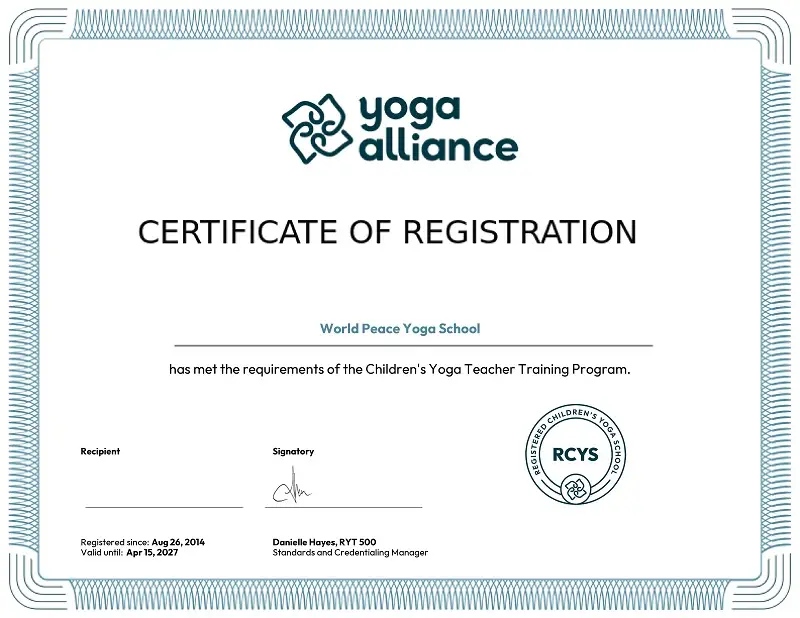
The benchmark for qualified yoga instructors is certification from Yoga Alliance. Our 500-hour Kundalini Yoga teacher training program is approved by Yoga Alliance, therefore graduates are qualified to sign up with Yoga Alliance as a Registered Yoga Teacher (RYT) at the 500-hour level after completing the course. Potential employers and students may be certain that our graduates have met the high criteria for knowledge, abilities, and teaching competency defined by Yoga Alliance thanks to this certification.
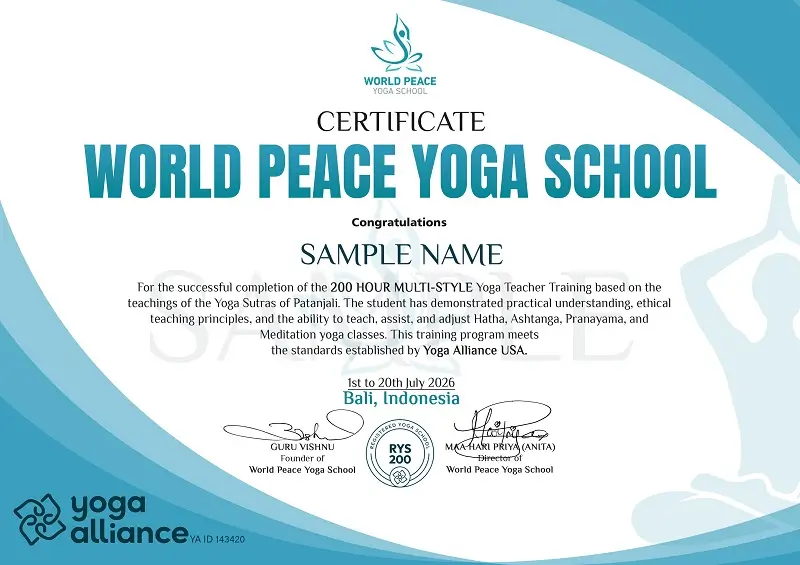
Graduates of our program also obtain the Yoga Alliance certification as well as the RYT 500 certificate, which denotes the completion of a thorough Kundalini Yoga training course. For people who want to develop their practice or start a profession as a yoga teacher, this certificate is an invaluable certification. The fact that studios, gyms, and other yoga organizations throughout the world accept the RYT 500 certificate speaks volumes about how dedicated and committed our alumni are to practicing and passing on the principles of Kundalini Yoga.
Join Us To
Get a thorough knowledge of the teaching methods, practices, and philosophy of Kundalini Yoga.
Develop a customized routine that enhances your health on all levels — physical, mental, and spiritual.
Get the abilities and information required to teach Kundalini Yoga to others with assurance.
By diligent study, diligent practice, and reflective thought, experience personal transformation and spiritual growth.
Become a part of a global community of Kundalini Yoga students, instructors, and practitioners.
Yoga Alliance Certificate
School Certificate
Challenges Make You Strong And Always Ready To Meet Provocation
500-Hour Kundalini Yoga Teacher Training In Bali, Dates
Next batch — 1st Jul To 26th Aug 2027
Next batch — 1st Jul To 26th Aug 2027
Next batch — 1st Jul To 26th Aug 2027
Next batch — 1st Jul To 26th Aug 2027
Next batch — 1st Jul To 26th Aug 2027
Next batch — 1st Jul To 26th Aug 2027
Next batch — 1st Jul To 26th Aug 2027
Next batch — 1st Jul To 26th Aug 2027
Next batch — 1st Jul To 26th Aug 2027
Next batch — 1st Jul To 26th Aug 2027
Next batch — 1st Jul To 26th Aug 2027
Next batch — 1st Jul To 26th Aug 2027
Next batch — 1st Jul To 26th Aug 2027
Next batch — 1st Jul To 26th Aug 2027
Next batch — 1st Jul To 26th Aug 2027
Next batch — 1st Jul To 26th Aug 2027
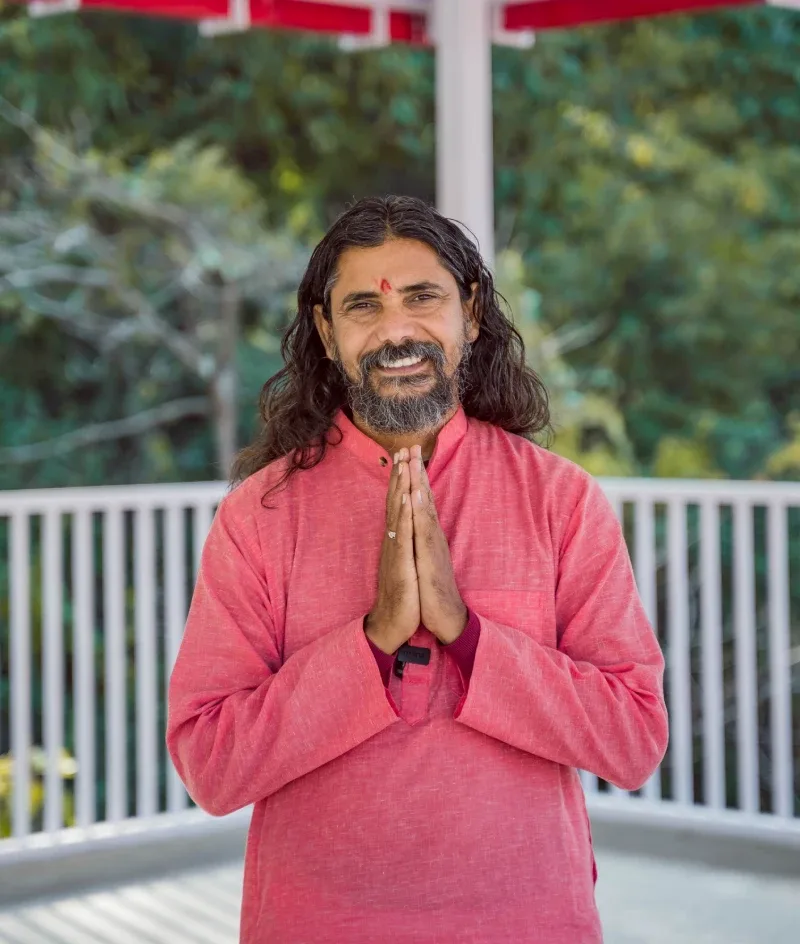
Guru Vishnu & Maa HariPriya both organise their time between Rishikesh and Bali depending on their schedules.
Be Satisfied In Yourself Alone
Accommodation, Food & Inclusion/Exclusion
Location Bisma Sari
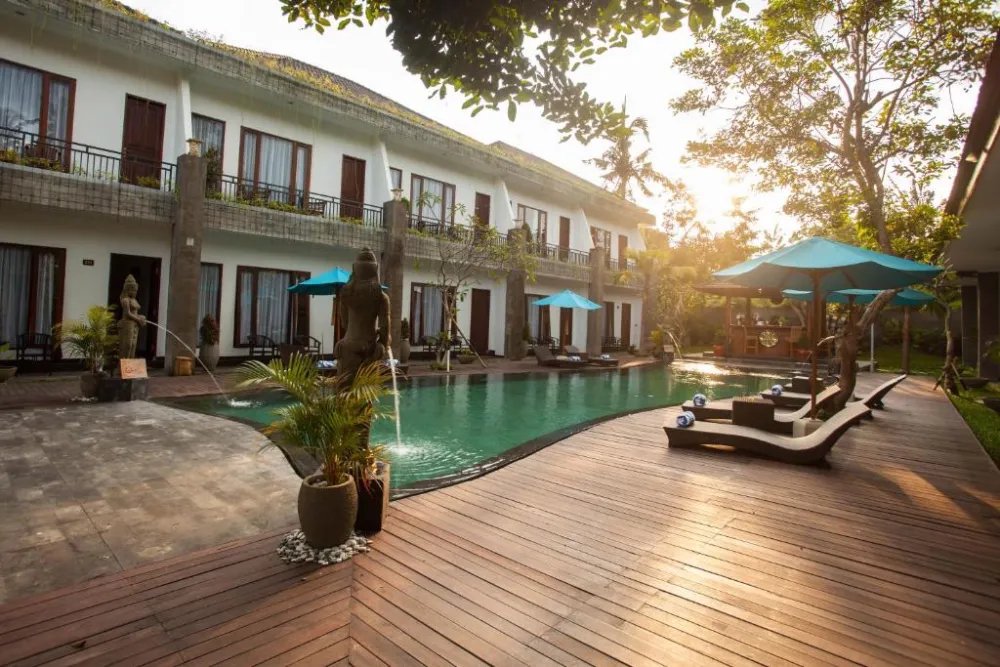
Accommodation
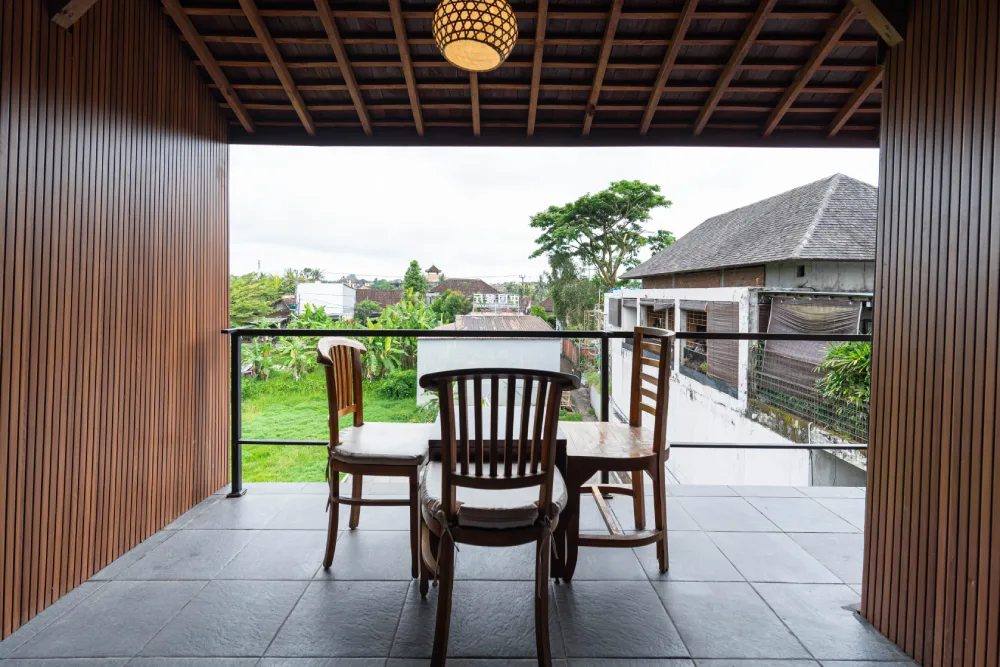
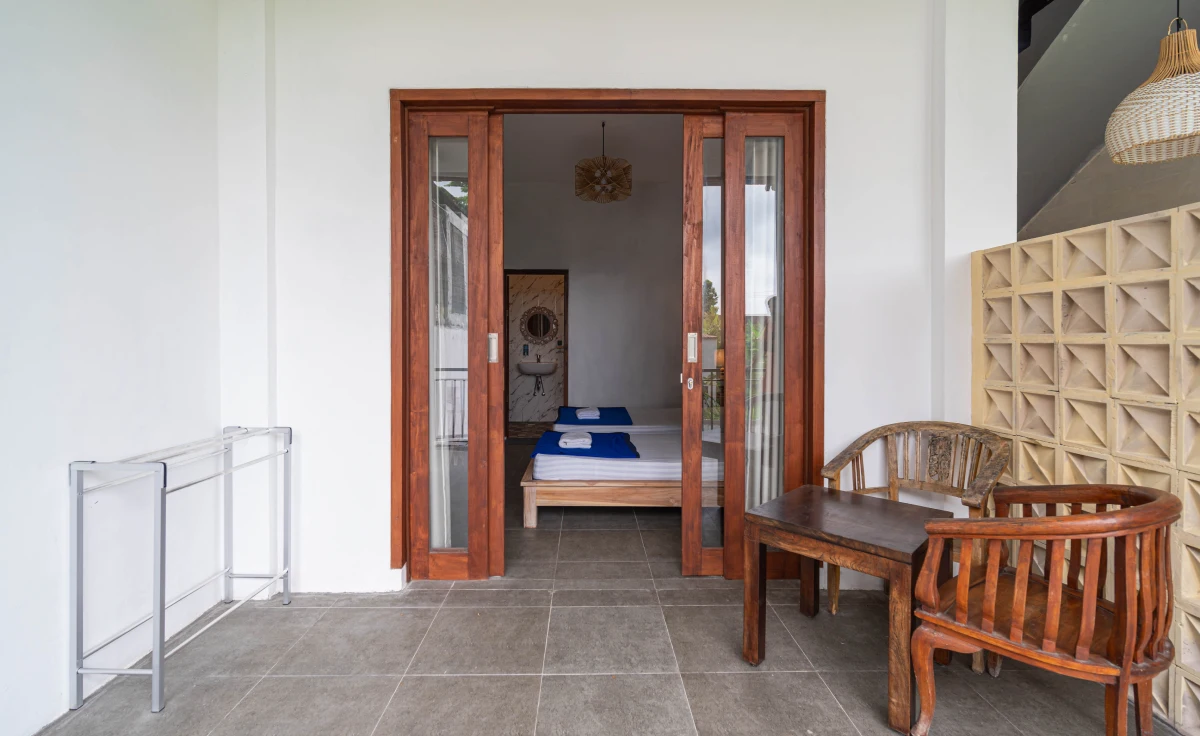
Our physical bodies demand a safe, clean, and healthy environment. The World Peace Yoga Academy is located in a serene area and is encircled by verdant fields and mountains. Our rooms were created with a yoga teacher training course in mind. The air in our rooms is spacious, too. To keep your rooms tidy and sanitary, our management is at your disposal at all times. The rooms are simple, clean, and pleasant to enhance one’s experience of both the yoga training as well as the yoga retreats. You can choose between single and double rooms for the training.
You will have to pay an extra amount for private rooms, AC, and heater facilities. You can check out the prices or contact us in case of any queries. Our school has yoga halls, a dining area, and a library for students. We offer the following facilities for our students:
Except on Sundays, all three meals — breakfast, lunch, and dinner — are offered at the World Peace Yoga School. We adhere to Ayurvedic culinary concepts. The sattvic foods used in the traditional Indian cuisines we prepare to support the preservation of a healthy mind-body balance and contribute to feelings of levity, clarity, and tranquility. For this reason, the sattvic diet includes fresh fruit, vegetables, cooked whole grains, milk, legumes, nuts, and seeds while excluding meat, fish, and eggs.
Accommodation (Air Conditioner Room)
Daily nutritious vegetarian meals
Outdoor yoga class
Weekend excursions
Yoga material
Kirtan session
Sacred Fire Ceremony
Balinese Culture experience
Towels and bed sheet
Online Pre-recorded preparatory course videos after booking
Ayurvedic Panchakarma and Treatment and Healing Sessions / Training
A variety of massages with a discounted price for the students
Visa fee / airfare / taxi pick-up
During Sundays, we serve only breakfast. You can enjoy lunch and dinner outdoors from amazing local restaurants and get to know more about Bali food culture.
What Is Yogic Diet?
A plant-based diet known as a yogic diet emphasizes wholesome, naturally occurring foods that are nutritious, easily digestible, and that support physical, mental, and spiritual well-being. This diet is a crucial component of the yoga lifestyle and is said to help the body and mind achieve balance and optimal health.
A yogic diet aids the body’s cleansing and detoxification, assisting in the removal of toxins and waste products that can lead to illness and disease. This is one of the diet’s main advantages. The diet is full of vitamins, minerals, and antioxidants, which enhance general health and vigor, improve digestion, and strengthen the immune system.
A yogic diet is said to assist mental and emotional health in addition to physical health. A plant-based diet is said to increase mental clarity and focus while calming the mind and lowering stress and anxiety. Practitioners of a yogic diet can assist their bodies and minds in reaching more balance and harmony by consuming healthy and easily digestible foods. A comprehensive approach to health and wellbeing should include a yogic diet as it may help practitioners achieve maximum health and vitality in all facets of their lives.
You do not learn anything from anyone unless you are desirous
Prerequisites And Recommended Reading
Prerequisites
Self-motivation.
World Peace Yoga School prohibits the consumption of meat, fish, eggs, black tea, coffee, alcohol, tobacco, and drugs.
Nudity is strictly prohibited.
Recommended Readings Before This Course
All the books including other study materials will be sent after enrolment of the course, and an online 50 hour preparatory course will be given freely.
Patanjali Yoga Sutras By Swami VivekanandaDownload
The Real Guru Is Within You Ready To Help And Guide You
What Can You Do After The Course?
On Your Free Day
Learn about Bali’s beautiful natural features, including its waterfalls, rice terraces, and beaches.
Visit ashrams, marketplaces, and other spiritual and cultural sites in addition to temples.
Take part in exciting activities like hiking, surfing, or diving.
For spa treatments, massages, or yoga in the area, visit a studio.
Establish connections with other yoga students and teachers to share experiences and knowledge.
Volunteer or provide community service in your neighbourhood or with local groups.
Try the local cuisine and look into other dining options when visiting Bali.
See performances and exhibitions in the arts, including music, dance, and visual arts.
To recharge for the remainder of the training, take some time to unwind and take care of yourself.
If You Need To Leave Early
The fees are not refundable.
You can come and join the course at any time.
If you want to leave 2 or 3 days before the course ends, you can apply for it. However, you will still need to complete the course and you should contact us.
If you complete only half the course, the certificate will not be provided. You can complete the course by using our online course facility.
After The Course
Teach Kundalini Yoga classes and workshops
Start a personal yoga practice
Deepen your understanding of yoga philosophy and spirituality
Incorporate Kundalini Yoga techniques into your daily life
Pursue further training in Kundalini Yoga or other yoga styles
Join a supportive community of Kundalini Yoga practitioners and teachers
Organize and lead yoga retreats or events
Share the benefits of Kundalini Yoga with others, promoting health and wellness
Cultivate self-awareness, self-care, and personal growth through regular practice
Explore different avenues of self-expression and creativity through the practice of Kundalini Yoga
Frequently Asked Questions About 500-Hour Kundalini YTTC In Bali
A primordial energy called kundalini is thought to reside at the base of the spine. It is frequently pictured as a coiling snake that sleeps until it is awakened by spiritual exercises like yoga, meditation, or mantra chanting. The Kundalini or chakras are thought to rise through the energy centres after waking, bringing about a perfect condition of enhanced awareness and spiritual enlightenment.
Anyone can enroll in a 500-hour Kundalini Yoga Teacher Training Course. This is because the 500-hour course builds upon the foundational knowledge and skills.
A 500-hour Kundalini Yoga Teacher Training Course is likely to include a rigorous daily program that includes extensive hours of study, practice, and self-reflection. Yoga practice, meditation, lectures, workshops, and free time for introspection and self-reflection may all be part of a normal day in a 500-hour Kundalini Yoga Teacher Training Course.
Yes, accommodation in shared or private rooms is included in the course fees.
The quality of instruction and the level of personalized attention provided to each participant may be impacted by the group size. In order to provide more personalized education and more opportunities for one-on-one feedback and coaching in smaller groups, the class size varies between 30 and 40 individuals.
The Yoga Alliance certifies yoga instructors who have completed programs that meet the organization’s standards for curriculum, faculty, and facilities. To be certified by Yoga Alliance, a teacher training course must include a minimum number of hours of study in yoga philosophy, anatomy and physiology, teaching method, and practicum.
Vegetarian food is regularly offered during a 500-hour Kundalini Yoga Teacher Training Course. Several Kundalini Yoga schools recommend a vegetarian or vegan diet as a way to improve yoga practice and promote health and well-being.
After completing a 500-hour teacher training course, you can, in fact, teach Kundalini Yoga. This course builds on the essential skills learned in a Kundalini Yoga Teacher Training Course while also providing further training in advanced practices, philosophy, and teaching methodologies. It’s essential to remember that you must maintain your practice, study, and devotion after completing your training.
Please notify the instructors in advance and make plans as soon as possible to make up for the missing lesson or session.
Bring suitable yoga attire, a yoga mat, a water bottle, a diary, and whatever else you might need for your stay in Bali. These goods are also available at your neighborhood market.
Always Remember You Are The Whole
Rules & Refund Policy Of World Peace Yoga School
Being a respected yoga school, we have a few rules that we want our students to follow in order to maintain a safe and tranquil learning atmosphere. The following is a list of some of the principal rules that we expect our students to follow:
Courses, seminars, and other training activities all need frequent attendance.
We want our pupils to show respect for their teachers, other students, and the entire school personnel.
The students are expected to follow the daily schedule, which includes lunch breaks, yoga classes, and other activities.
Alcohol and drug use are strictly forbidden throughout training.
Students are required to practice good personal hygiene and maintain a neat living environment.
Smoking is not permitted on the yoga school’s property.
All discussions and material shared throughout the course are to be kept confidential by the students.
Visitors are not allowed on the school’s property when training is in progress.
On the school grounds when pupils are in training, pets are not allowed.
In keeping with the yoga ideals of non-violence, honesty, and self-discipline, we as a yoga school expect that our students will respect these values.
World Peace Yoga School instructs every student to be aware of the following policy guidelines for students:
Attendance Policy: All classes, seminars, and workshops must be attended by the students during the whole course. In urgent situations, the course instructors have the right to grant brief absences. Nonetheless, students are required to make up any missed lectures or tasks. Students must maintain a minimum of 90% attendance to graduate from the course, and attendance will be recorded daily.
Anti-Retaliation Policy: Our school has a strict no-retaliation policy that applies to all students. Every student who encounters bias or retaliation is encouraged to let the instructors of the course or the administration know. Any such worries are immediately investigated, and they are taken seriously. We ensure that no student is punished or subjected to reprisals as a result of reporting an instance of discrimination or retaliation.
Anti-Harassment Policy: We promise to provide a secure and civil learning environment for all of our pupils. Our school forbids any form of harassment, including sexual harassment. Any student who is discovered to have broken this rule will face immediate disciplinary action, which may even include expulsion from the course. All claims of harassment will be thoroughly and discretely investigated.
The initial deposit made by the students cannot be refunded.
Students might choose to postpone their current course or transfer their fees to another one.
If the school cancels, students may transfer their fees to another course.
If a student must withdraw their enrollment due to unforeseen circumstances, they may request a fee transfer to another course or session.
The advanced fee cannot be given to another person.
At least 30 days before the start of the course, the fee transfer or rescheduling request must be made.
The fee may be postponed or transferred if there are seats available in the specified course or session.
If a student misses a class or session, the fee won’t be repaid or carried over to another course or session.
Students must write to the school if they want to transfer or postpone their fee.
The institution has the discretion to modify the refund policy at any time.
My experience was very professional, and it was very easy to work with the team here. The teachers made every class feel personal.
AAmy FowlesGoogle
Posted on Google
1 month ago
The 200 hour course changed how I understand yoga completely. Philosophy classes with Guru ji were the real highlight for me.
MMarco FerrariGoogle
Posted on Google
2 months ago
I did the 300 hour here after my 200 elsewhere, and the difference in depth is huge. Kundalini sessions were unforgettable.
LLucia MorenoGoogle
Posted on Google
2 months ago
Small groups, personal attention and a schedule that leaves room to absorb what you learn. The sunrise trip was magical.
DDaniel BrooksGoogle
Posted on Google
3 months ago
Every teacher here is deeply rooted in the tradition. I arrived as a nervous beginner and graduated feeling confident to teach.
EEmma LarsenGoogle
Posted on Google
3 months ago
Authentic Himalayan tradition, not a watered down tourist course. The anatomy classes alone were worth the trip.
JJulien RousseauGoogle
Posted on Google
5 months ago
Guru ji has a way of explaining philosophy that finally made the sutras click for me. Highly recommend the 500 hour path.
TTom AlvarezGoogle
Posted on Google
5 months ago
Warm community, serious teaching and a stunning setting. Six weeks here reset something in me that no holiday ever has.
NNadia HaddadGoogle
Posted on Google
Plan your arrival
How To Reach World Peace Yoga School In Bali
We are on Jl. Bisma in Ubud, Bali — pick the route that suits your arrival.
Your countryDenpasar (DPS)
Fly To Denpasar
Fly into Ngurah Rai International Airport (DPS) in Denpasar — the only international airport in Bali. Ubud is about an hour and a half away by road.
TransferPickup on request
Anywhere in BaliJl. Bisma, Ubud
Taxi Or Scooter
From anywhere on the island take a taxi, a Grab or Gojek ride, or a scooter to Jl. Bisma in Ubud. We are at No 77 A, a short walk from the centre of town.





 Next batch — 1st Jul To 26th Aug 2027